Understanding Detox Diets: Health Reality or Marketing Hype?
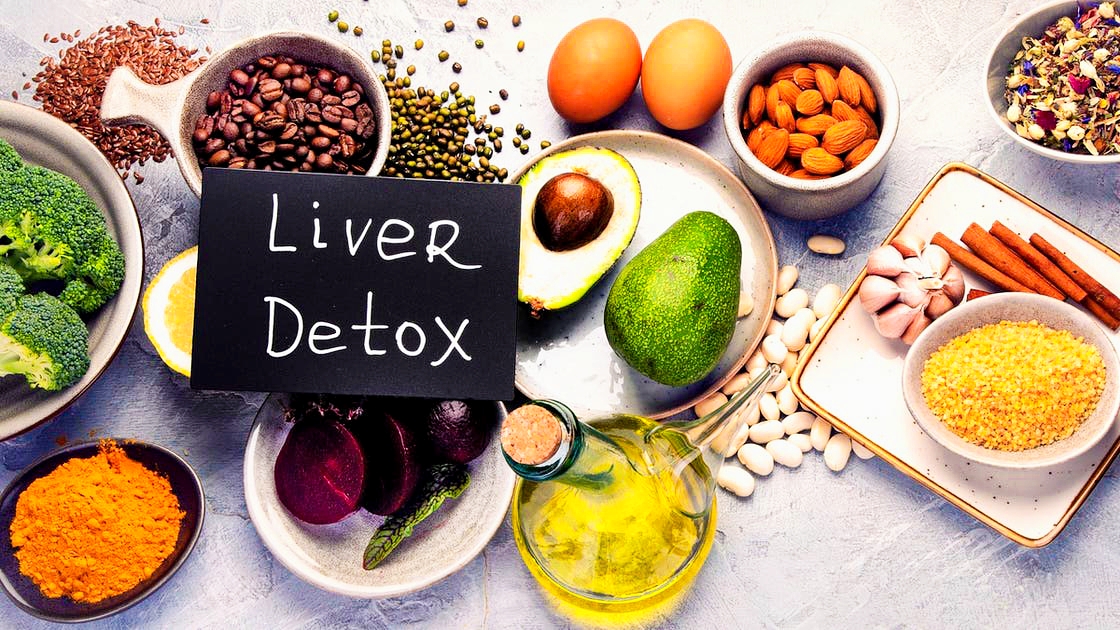
At the end of every holiday season, a familiar pattern emerges:
Overindulgence in food, reduced physical activity, and extended screen time often lead to feelings of guilt, prompting many to seek a "quick fix."
This is where detox diets and products come into play, featuring green juices, charcoal supplements, detox patches, and "liver reset" programs that promise to restore the body to a "pure" state.
* But is there a real need for these detox products?
This question was explored by journalists Katie Edwards and Dan Baumgardt in the inaugural episode of the podcast StrangeHealth, launched by The Conversation. They examined the popular detox culture through a scientific lens, consulting liver health experts.
* The body is not powerless... it operates 24/7
Trish Lalor, a liver expert at the University of Birmingham, contends that the commercial notion of detox lacks any solid medical foundation. According to her, the body is already equipped with an efficient system for eliminating toxins without external intervention.
She explains that the liver, in conjunction with the kidneys and digestive system, continuously works to purify the blood and remove harmful substances. For most healthy individuals, there is no need for drastic diets or expensive supplements.
* When can detox practices become harmful?
While some detox products may seem harmless, Lalor warns that improper use can lead to real damage. Certain herbs and supplements can strain the liver rather than support it, especially when taken without medical supervision.
She notes that symptoms such as headaches, fatigue, or general malaise—often promoted as signs of "successful detoxification"—may actually indicate unnecessary stress on the body.
* What constitutes true detoxification?
Experts agree that genuine detoxification does not come in a package or a patch but is reflected in simple, scientifically supported daily habits, including:
• Staying adequately hydrated
• Eating fiber-rich foods and vegetables
• Ensuring regular, sufficient sleep
• Consuming food and drink in moderation
• Allowing the liver time to perform its natural functions
The podcast hosts emphasize that the best approach after periods of overindulgence is not to seek quick fixes but to gradually return to a balanced lifestyle.
* In summary
If you're considering purchasing detox products, it may be worth noting—somewhat ironically—that the only thing likely to be "purified" is your wallet, not your liver.
Experts agree that science-based health awareness, rather than advertising, is the safest way to maintain bodily health without succumbing to alluring promises lacking medical evidence.