Cortisol: The Stress Hormone Sparks Online Debate
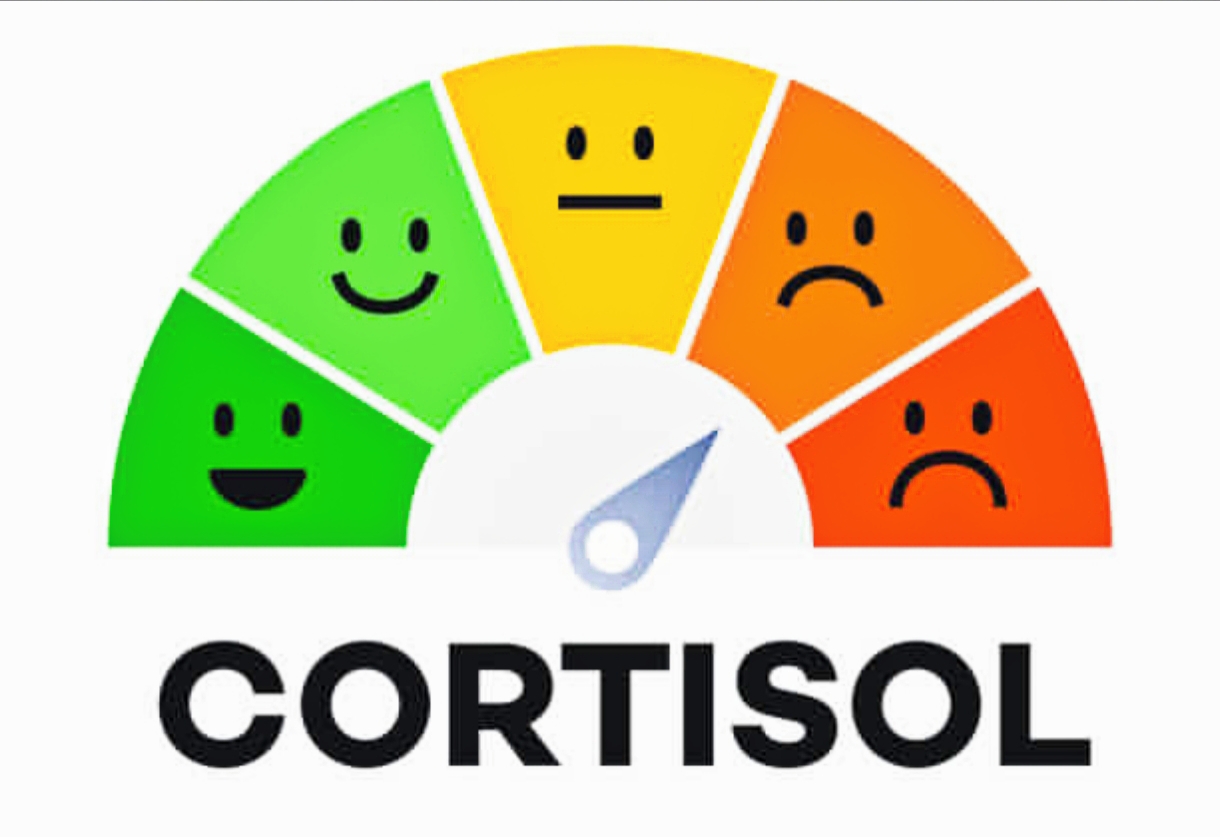
Recent days have seen a surge in discussions on social media about cortisol, commonly known as the "stress hormone". This topic has gained traction among health influencers and digital health enthusiasts.
These discussions highlight alleged symptoms of chronically elevated cortisol levels, such as waking up at 3 a.m., facial swelling often referred to as "moon face", and abdominal fat accumulation. Influencers also share nutritional advice and exercise tips that they claim can help reduce cortisol levels.
However, medical professionals caution: this trend may be misleading, and individuals should be wary of unverified supplements and advice.
* Cortisol: An Essential Hormone
Endocrinology experts emphasize that cortisol is vital for life, secreted by the adrenal glands located above the kidneys. It plays a crucial role in regulating inflammation, immune response, metabolism, blood pressure, and various other essential functions.
Cortisol levels fluctuate throughout the day, typically rising in the morning upon waking and decreasing at night, while increasing in response to stress or illness.
Dr. Roberto Salvatore, an endocrinologist at Johns Hopkins University, stated:
"Cortisol levels are regulated minute by minute... it is quite rare for a health issue to arise solely from cortisol levels."
He added that chronically low cortisol is often diagnosed as adrenal insufficiency, such as Addison’s disease, while excessive levels can indicate Cushing's syndrome, typically caused by benign tumors in the adrenal or pituitary glands. Treatment may involve medication, surgery, or both.
* Caution Against Self-Testing
Doctors warn against conducting cortisol tests without medical supervision, as symptoms of high or low cortisol can overlap with other health conditions, including fatigue, weight loss, hypertension, sleep disturbances, and excessive hair growth in women.
Dr. Katie Guttenberg, an endocrinologist in Houston, remarked:
"There are many nuances in interpreting cortisol levels, and it concerns me that patients seek tests on their own. A single blood test is often not useful and can lead to unnecessary anxiety."
* Supplements Are Not the Answer
While some influencers promote supplements like ashwagandha and magnesium for lowering cortisol, medical experts assert that there are no proven over-the-counter treatments for this purpose. Excessive reduction of cortisol can lead to serious health issues, so caution is advised.
Salvatore also mentioned a condition known as "factitious Cushing's syndrome," which can cause similar symptoms due to alcoholism or other chronic issues, without the presence of a true tumor.
* Conclusion: Focus on Health Fundamentals
Experts recommend returning to the basics of stress management rather than fixating on a single hormone: prioritize adequate sleep, a balanced diet, regular physical activity, and psychological therapy if needed.
Cortisol is not your enemy; it is a precisely regulated friend... do not let trends dictate your health.