New Protein Discovered That Mimics Exercise Benefits for Bone Health
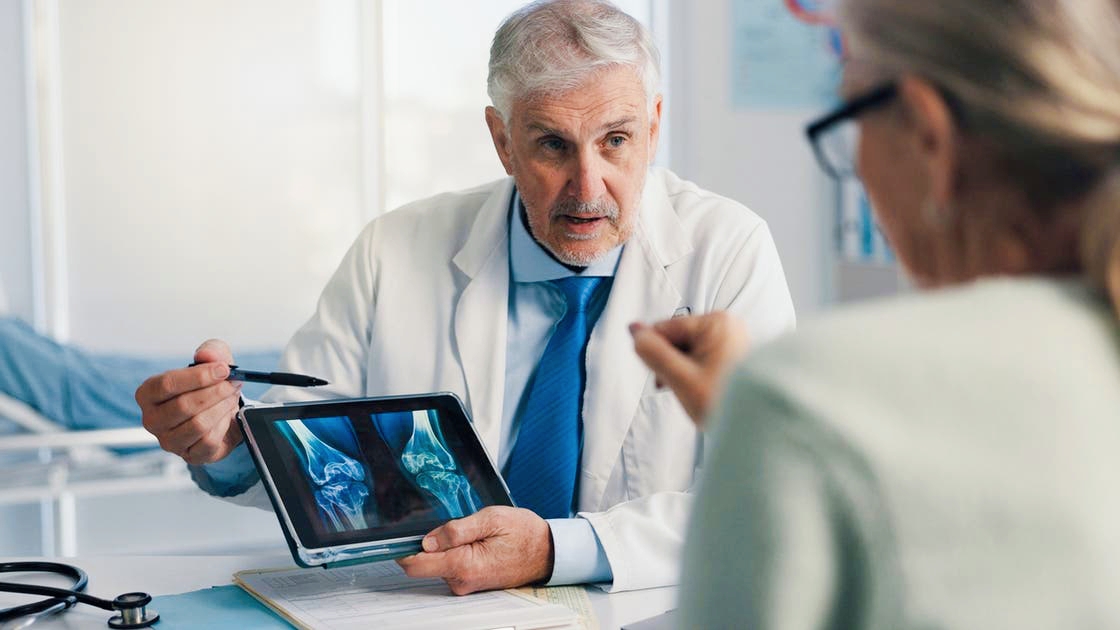
A team of researchers at the University of Hong Kong has made a significant scientific discovery that could transform the prevention and treatment of osteoporosis by identifying a new protein known as Piezo1.
This protein acts as an "internal movement sensor" in bones, allowing them to reap the benefits of physical activity even in the absence of actual movement.
* The Protein That Imitates Exercise in the Body
A study published in the journal Signal Transduction and Targeted Therapy revealed that Piezo1 functions as a mechanical sensor, capturing movement and pressure signals within bone marrow stem cells.
When activated by movement, this protein stimulates stem cells to generate bone tissue instead of fat, thereby reducing the risk of bone mass loss.
Conversely, in the absence of this protein, fat accumulates in the bones, and inflammatory signals increase, contributing to the deterioration of bone health.
* Medications That Mimic Exercise for Patients with Limited Mobility
Professor Shou Aimin, the head of the research team and director of the Biopharmaceutical Technology Laboratory at the University of Hong Kong, noted that their discovery opens new avenues for developing medications that could enable the body to "mimic" the effects of exercise at the cellular level, particularly for individuals who cannot engage in physical activity due to age, chronic illness, or prolonged bed rest.
* Addressing Osteoporosis: A Health Concern Affecting Millions
Osteoporosis is a significant health issue threatening older adults worldwide; according to the World Health Organization, one in three women and one in five men over the age of 50 experience fractures due to weakened bones.
Bone health declines with age due to loss of bone density and increased porosity, making bones more susceptible to fractures.
* A Step Towards the Future: Imitating Exercise in Medicine
By identifying this protein, scientists have a clear target for developing new treatments that could effectively replicate the benefits of physical activity.
Such medications could reduce fracture risk and enhance patients' quality of life, especially in light of the growing proportion of older adults in many countries.
The research team is currently working to translate these findings into clinical trials aimed at developing medications that preserve bone health and reduce bone mass loss, potentially marking a scientific breakthrough that could fundamentally change the treatment of bone disorders and the prevention of osteoporosis.