Öl
Ölpreise und globale Entwicklungen, die den Energiesektor beeinflussen

Ölpreise und globale Entwicklungen, die den Energiesektor beeinflussen
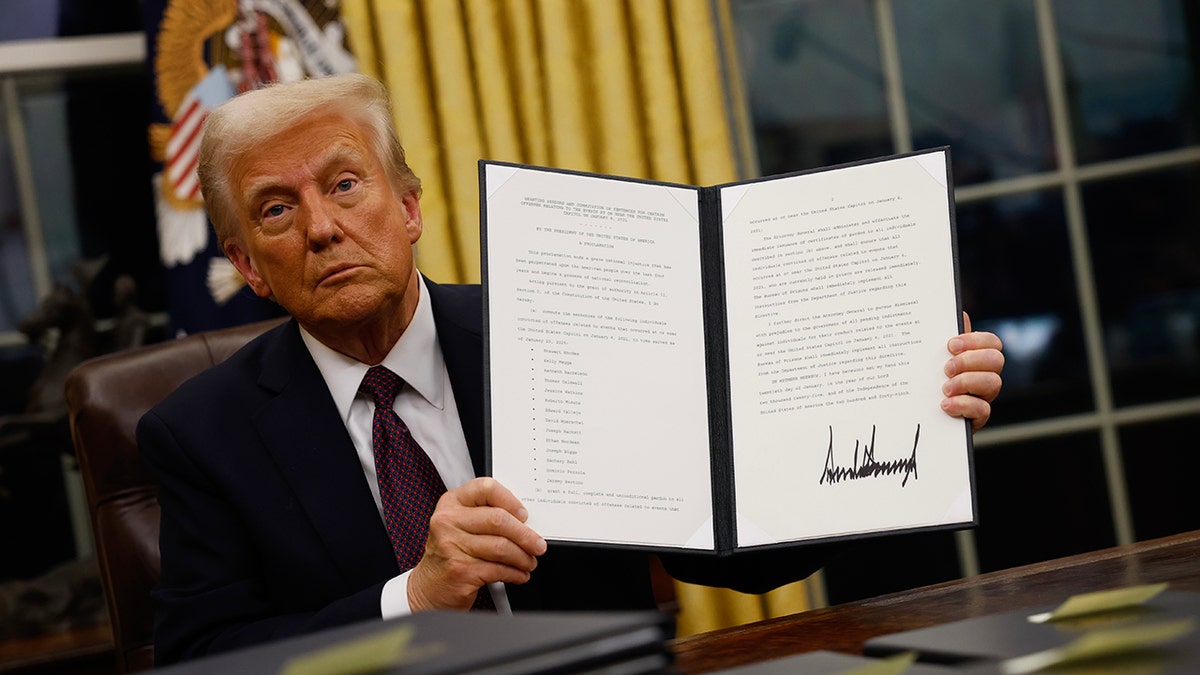
The White House announced on Saturday that President Donald Trump has signed an executive order aimed at safeguarding the financial proceeds from Venezuelan oil sales deposited into U.S. Treasury accounts, preventing legal actions or seizure attempts.

A fleet of oil tankers returned to Venezuelan waters on Saturday after departing covertly in early January, according to state oil company PDVSA.
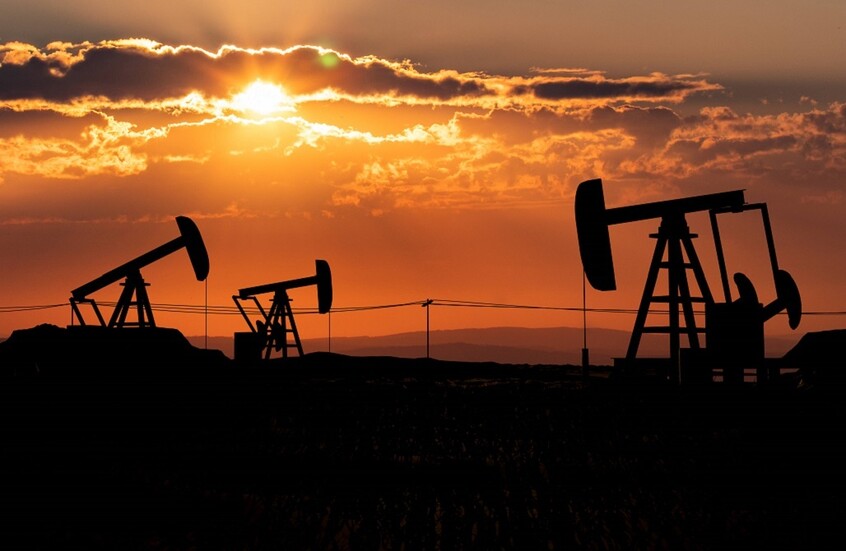
Brent crude oil futures for March 2026 delivery have surpassed $63 per barrel, marking the first increase since December 8, according to ICE London data.
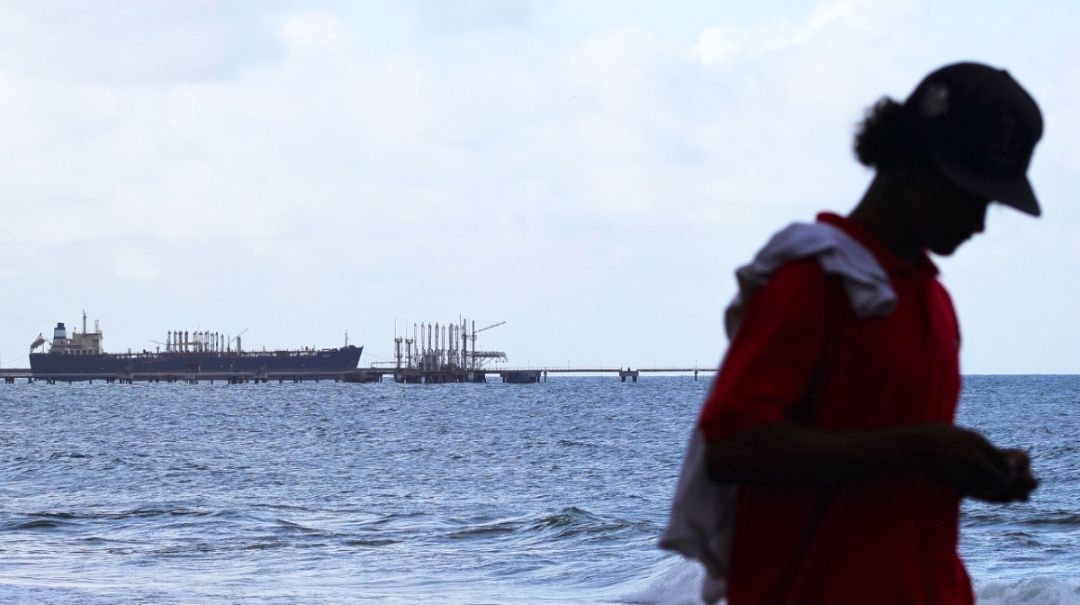
US Energy Secretary Chris Wright stated on Friday that the United States has a new influence in Venezuela, highlighting the Venezuelan government's growing interest in cooperating with Washington and addressing corruption issues.

The US Senate has passed legislation restricting the Trump administration from conducting military operations against Venezuela without Congressional approval.
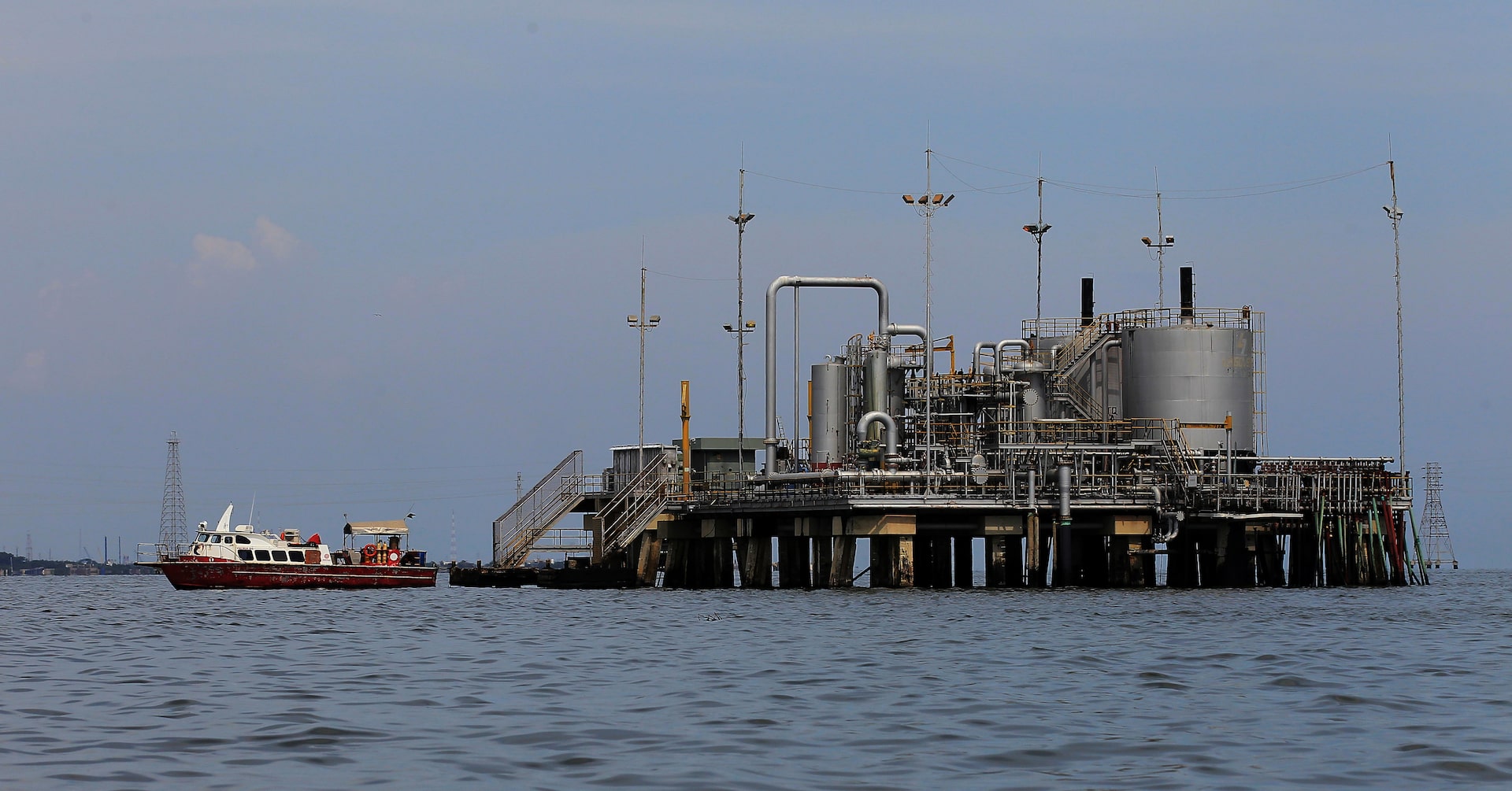
The US Energy Department announced on Wednesday that it has initiated the global marketing of Venezuelan oil, emphasizing that this move serves the interests of Venezuela, the United States, and their allies.
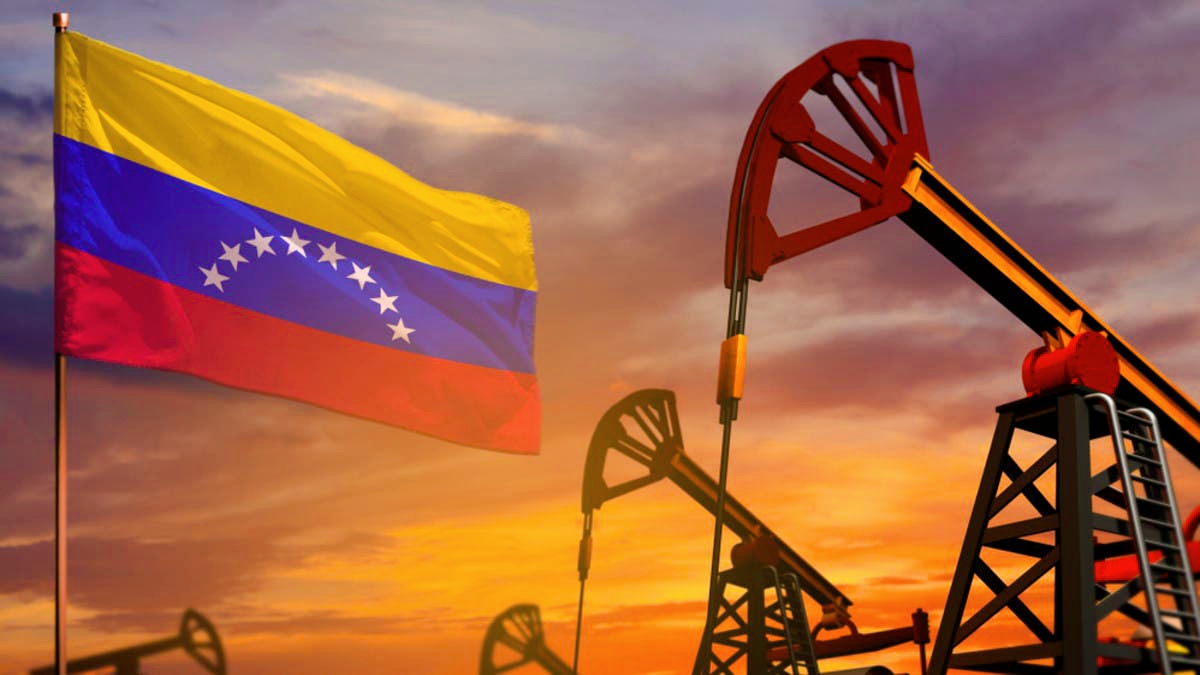
Trump reveals plans for the U.S. to receive millions of barrels of Venezuelan oil, a move that heightens tensions and marks a significant political escalation.
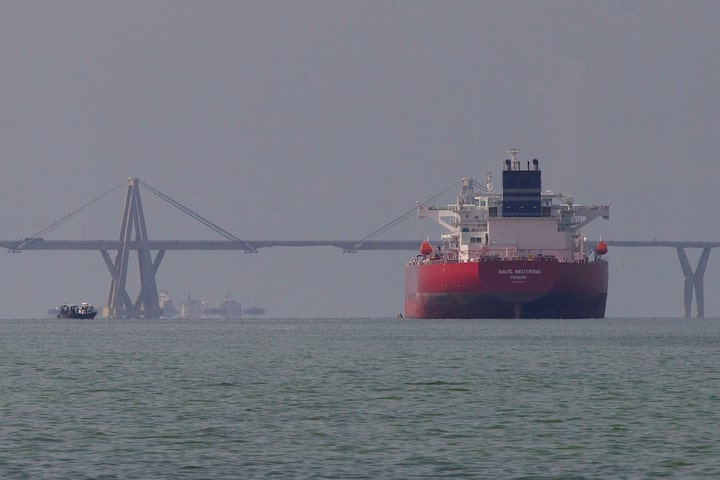
Venezuela's state oil company confirmed on Saturday that oil production and refining processes continue normally, despite recent U.S. strikes on locations within the country.
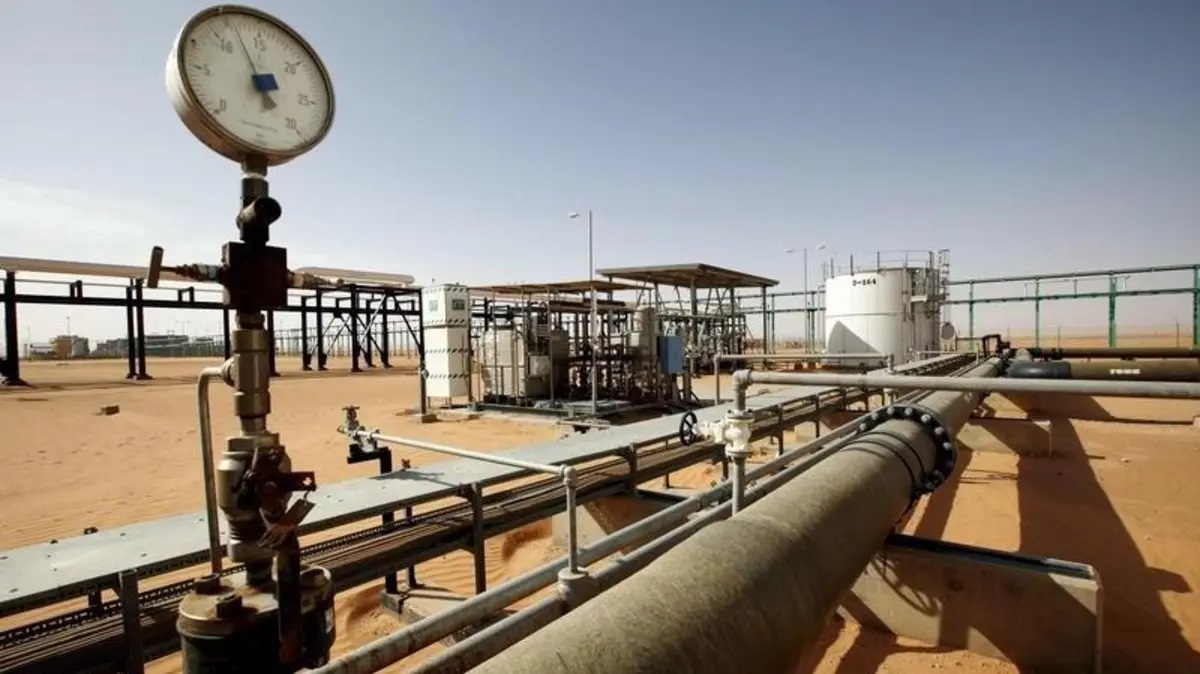
The Libyan National Oil Corporation announced a 21% increase in average daily crude oil production for 2025, reaching 1.374 million barrels per day, the highest level in ten years.
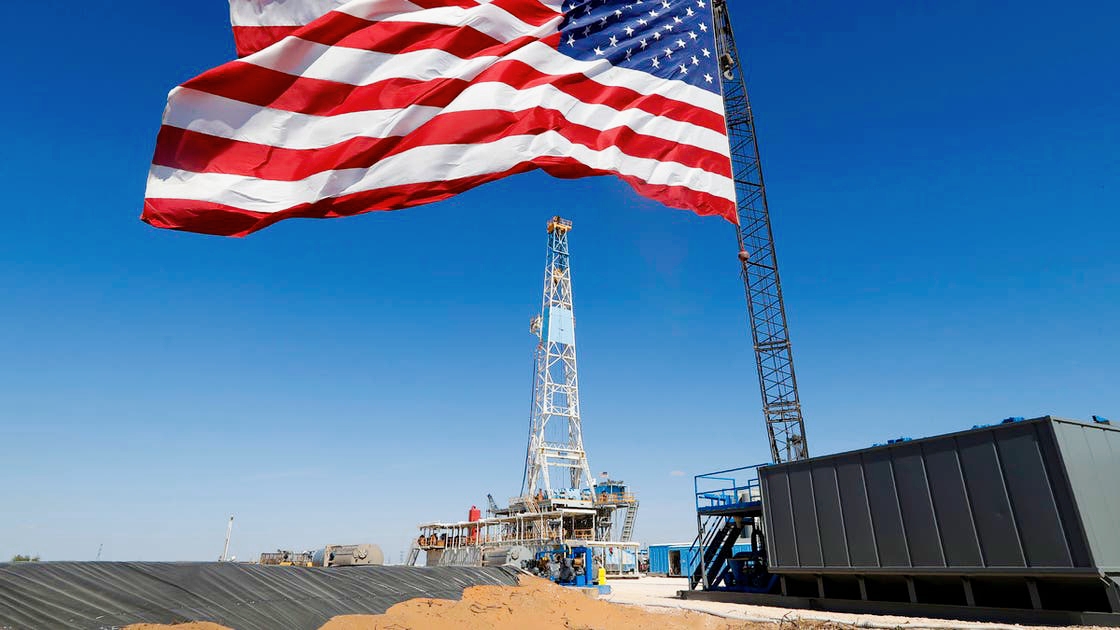
In October, the United States set new records in oil production, driven by significant increases in New Mexico and the Gulf of Mexico, despite a slight decline in Texas.

The Rapid Support Forces in Sudan announced on Saturday their expansion within the oil facilities at the Heglig Field in West Kordofan, emphasizing that this move aims to secure the field and ensure its continuous operation.
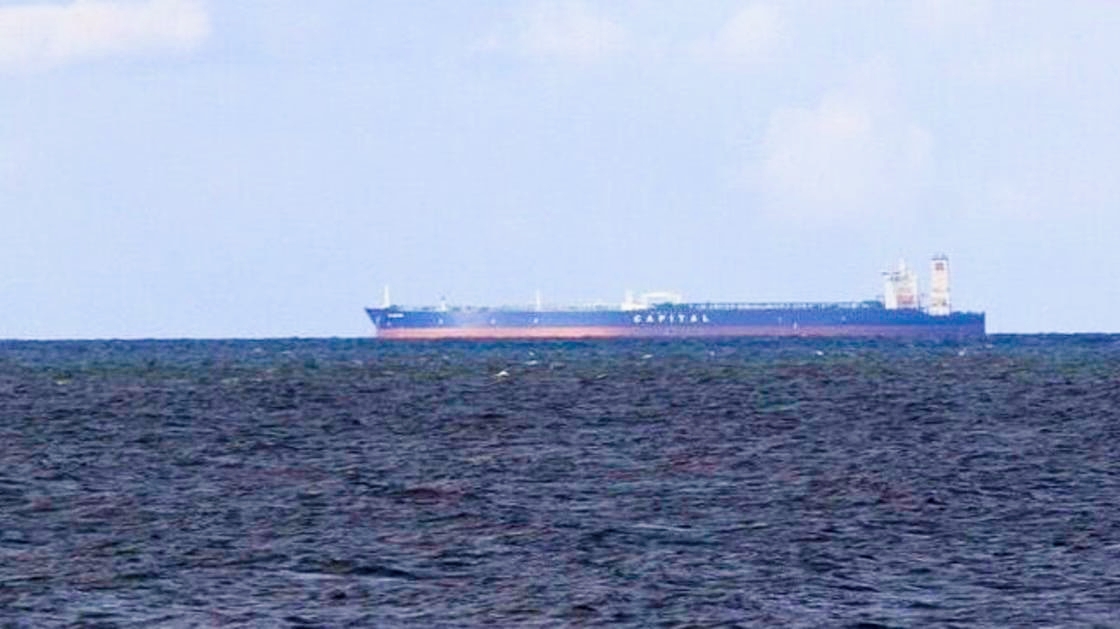
Iran has announced the seizure of a foreign oil tanker in the Gulf, citing suspicions of fuel smuggling as part of its intensified crackdown on maritime smuggling activities.
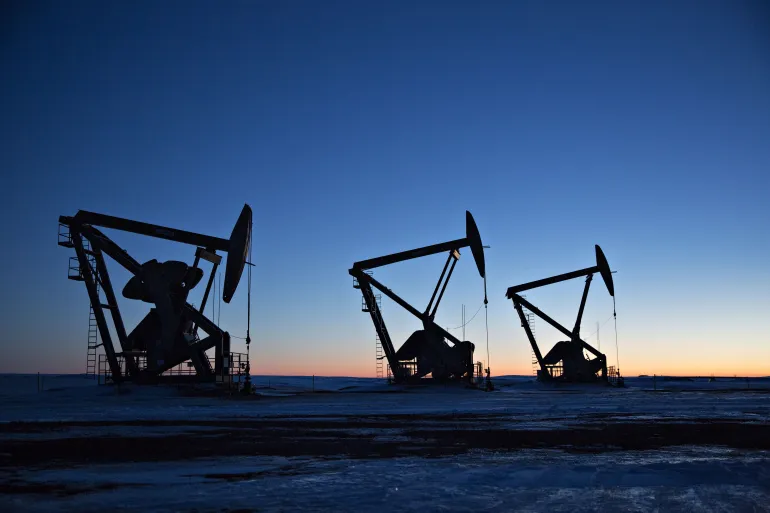
Market analyses suggest that the year 2026 may not align with current expectations, driven by geopolitical factors, potential supply shortages, and steady global demand.
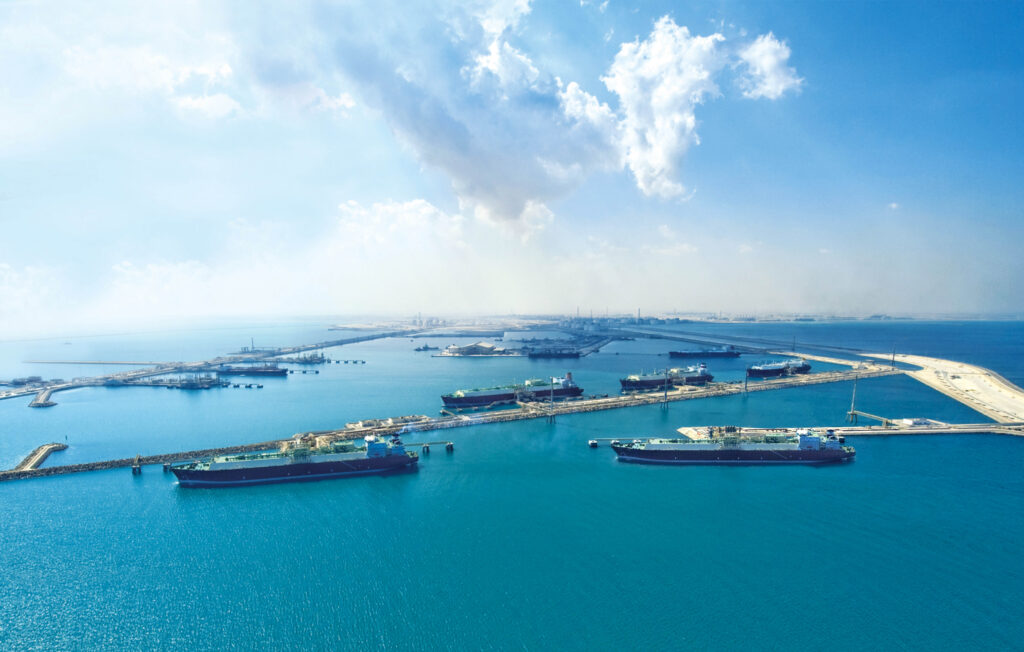
Italian firm Saipem has announced a new contract with QatarEnergy, in partnership with a Chinese offshore engineering company, for the North Field LNG project.
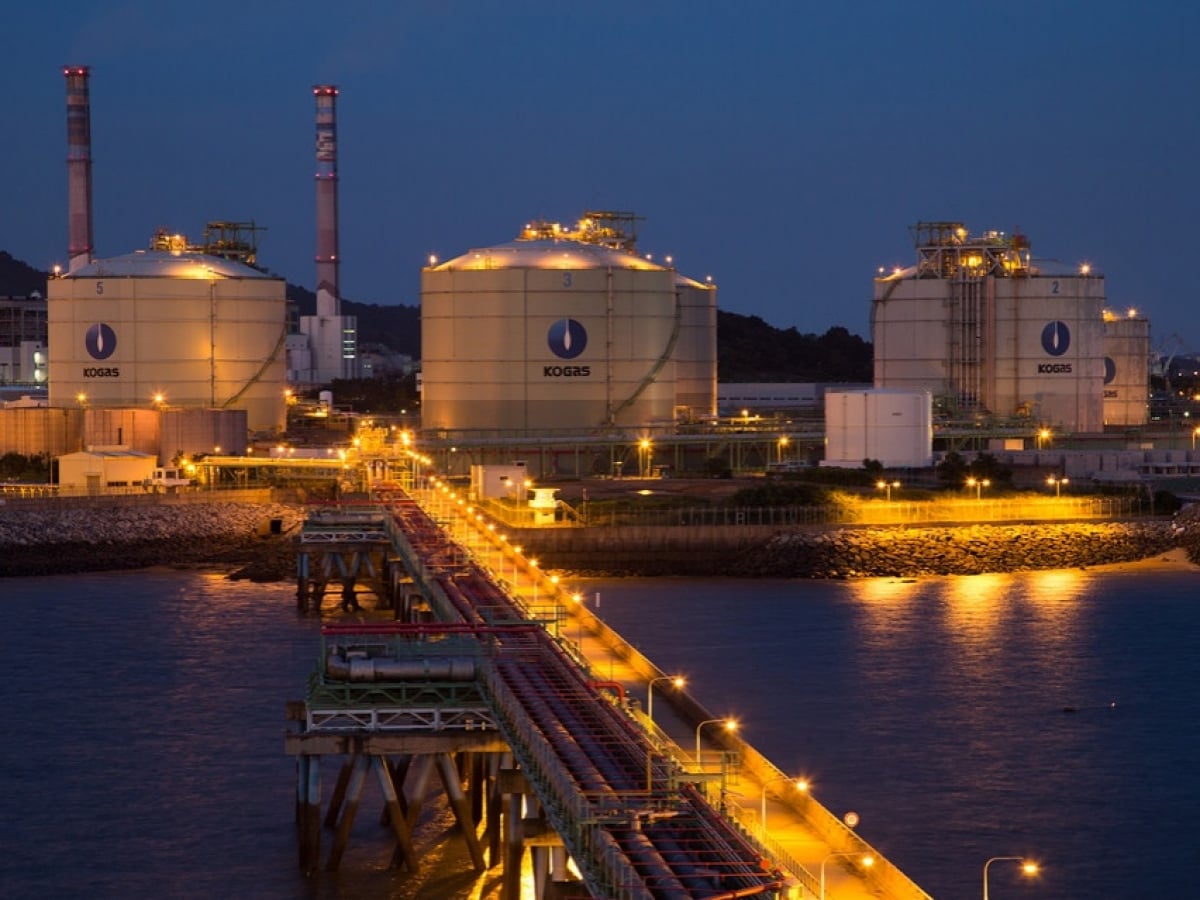
Preliminary data from South Korea's customs authority indicates that the country did not import any Iranian crude oil in November, mirroring the situation from the previous year.
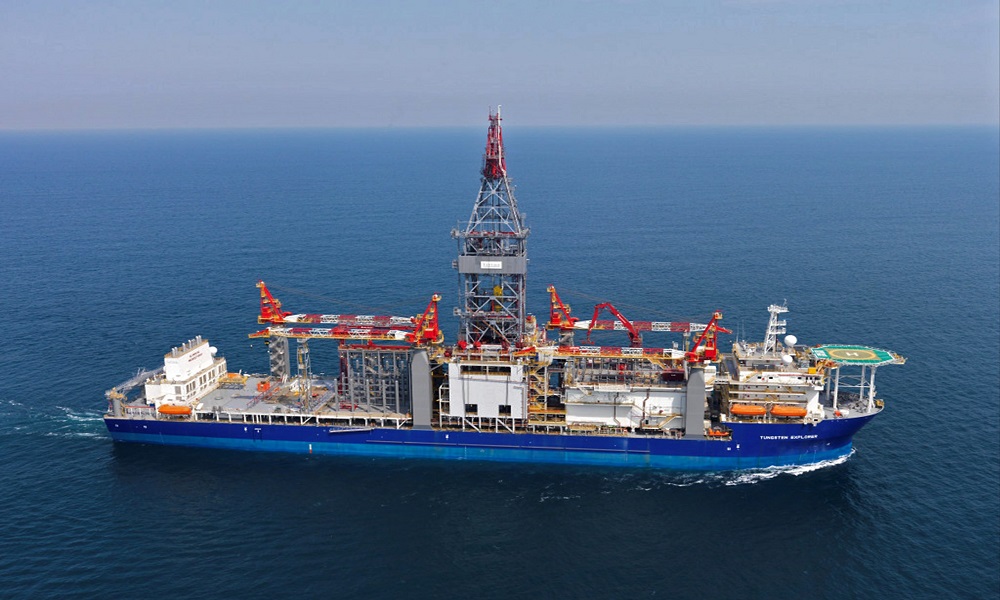
Lebanon's Minister of Energy and Water, Joe Saddi, announced on social media that he has requested the Cabinet's approval to discharge a fuel oil shipment from a tanker supplied by a Kuwaiti company.
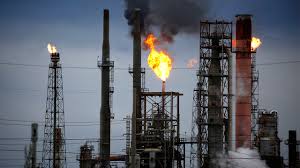
The Russian Energy Ministry has projected stable oil refining, natural gas, and coal production levels for 2025, aligning with expectations for 2024, despite ongoing drone attacks on energy infrastructure.
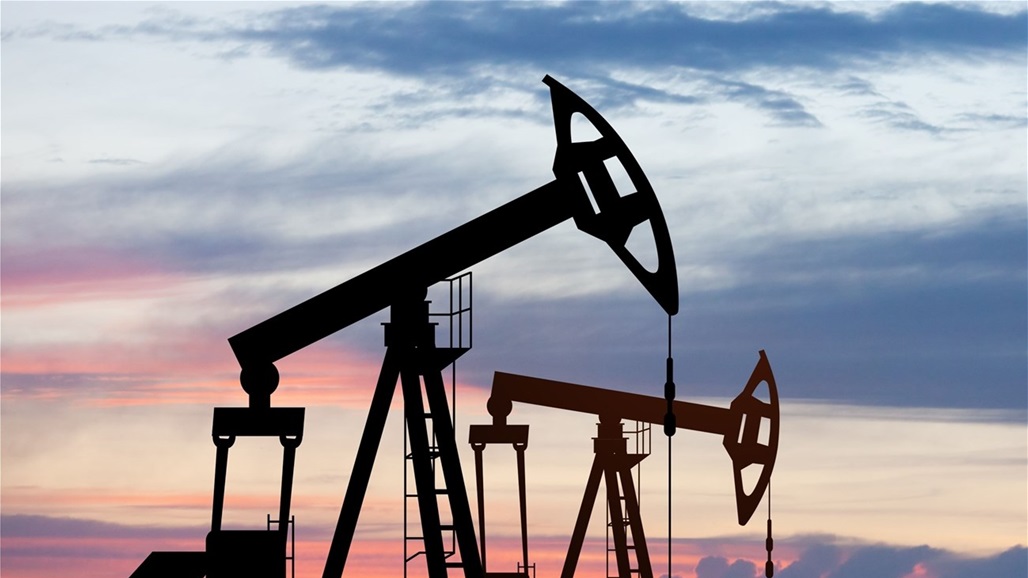
Global oil prices surged on Thursday due to rising tensions in multiple regions, raising concerns among traders about potential supply disruptions.
Global oil markets showed signs of stability on Wednesday after a nearly 1% decline, driven by concerns over the widening gap between supply and demand that has limited significant gains.
Oil prices fell on Tuesday, continuing the downward trend seen on Monday, as traders focus on developments in Ukraine's peace negotiations and await the U.S. Federal Reserve's interest rate decision.