European Chemical Industry Faces Severe Challenges Amid Rising Energy Costs
February 5, 202631 ViewsRead Time: 3 minutes
Font Size
16
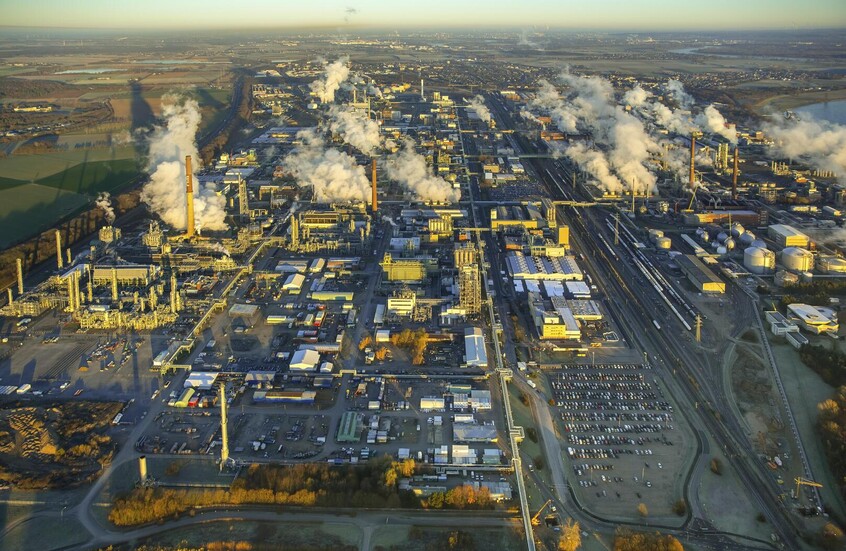
A report from "Oil Price" has raised alarms about a potential crisis in the European chemical industry, a key sector for the continent's economy. The report highlights the significant increase in energy costs and stricter environmental regulations within the European Union, both of which threaten the industry's future sustainability.
Decline in Investments and Production Capacity
According to data cited from the "Financial Times" by the European Chemical Industry Council (Cefic), investments in the sector have plummeted by as much as 80% over the past year. Additionally, the number of production capacity closures across the EU has surged sixfold since 2022, with projections indicating a loss of around 37 million tons by 2025, representing approximately 9% of total production capacity.
Job Losses and Increased Global Competition
These closures have resulted in the loss of approximately 20,000 jobs and a noticeable slowdown in new investment projects, putting European companies at a disadvantage compared to global competitors, particularly in the United States and China, where energy costs are lower and regulatory burdens are less stringent.
Impact of Reduced Access to Russian Gas
The report emphasizes that the decline of the European chemical industry is closely associated with the loss of inexpensive energy sources, especially Russian gas, which has been crucial for maintaining the sector's competitiveness. This industry is highly energy-dependent, making it particularly vulnerable to rising operational costs.
Environmental Policies and Economic Strain
Furthermore, the report indicates that European policies aimed at reducing carbon emissions have contributed to escalating production costs, diminishing the ability of European firms to compete on a global scale. This has led some companies to consider relocating their investments outside Europe.
Factory Closures and Corporate Withdrawals
Other economic analyses reveal that major global corporations are re-evaluating their presence in Europe. For instance, Saudi company "SABIC" has begun divesting its assets on the continent, while "Dow" plans to shut down several factories in Germany due to rising energy costs and reduced demand. "Exxon" is also contemplating exiting the European chemical market, and two companies have filed for bankruptcy in certain branches.
Broader Economic Implications
The repercussions of the chemical industry's decline extend beyond the sector itself, affecting other critical industries such as automotive and defense, raising concerns about wider economic impacts within the European Union.
Need for Policy Reevaluation
Marco Mensink, head of the European Chemical Industry Council, cautioned that the sector is under unprecedented pressure, noting that factory closures have doubled in the past year and annual investments have nearly reached zero. He characterized the industry as the "mother of all industries" currently experiencing a phase of significant decline. Estimates suggest that revitalizing this sector may necessitate a reassessment of industrial and environmental policies in Europe to strike a balance between ecological requirements and the competitiveness of essential industries.