Scientists Transform Spinach Leaves into Beating Human Heart Tissue: A Breakthrough in Medical Engineering
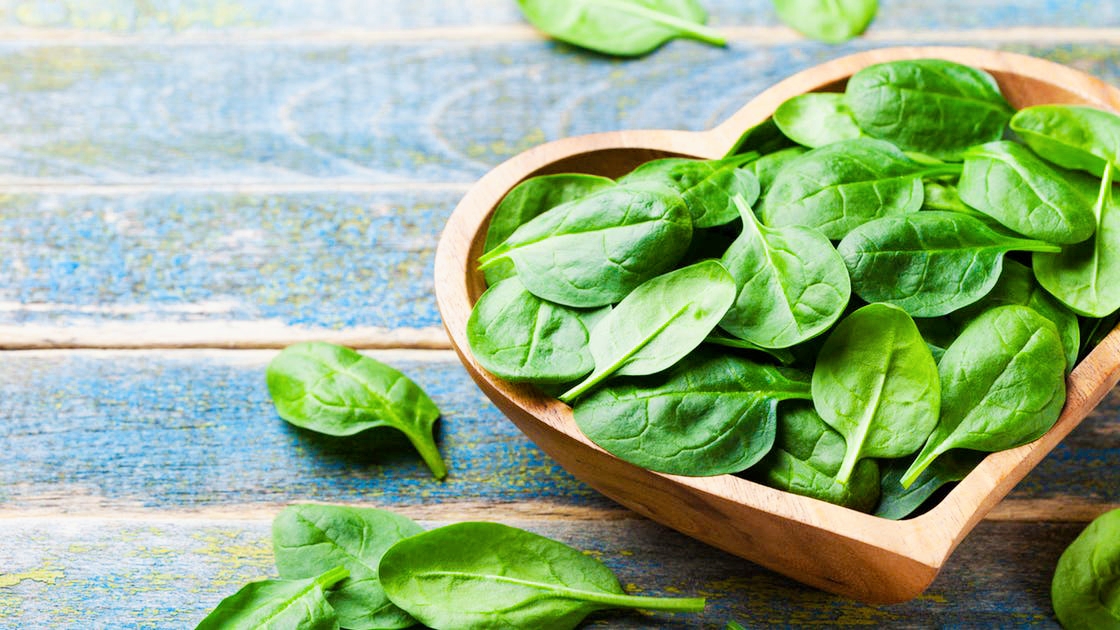
In a remarkable scientific breakthrough that offers hope to millions of patients worldwide, a team of researchers has successfully transformed ordinary spinach leaves into beating human heart tissue. This development is seen as a potential revolution in the fields of organ transplantation and tissue engineering.
The concept, which originated spontaneously during a lunch break, has evolved into pioneering research conducted by scientists at Worcester Polytechnic Institute in Massachusetts. The findings were published in the journal Biomaterials and reported by Time as cited by the Washington Post.
* Why Spinach?
For years, scientists have been searching for solutions to the organ donor shortage, particularly the challenge of replicating the intricate network of micro-blood vessels within artificial tissues.
This is where the unconventional idea emerged:
Spinach leaves contain a natural network of fine vessels that closely resemble human blood vessels, capable of efficiently transporting fluids and essential substances.
* How Was the Leaf Transformed into Beating Heart Tissue?
The researchers initially used a special soap-like solution to completely remove the spinach cells while preserving the plant's structural framework, which forms the vascular network.
Subsequently, the spinach cells were replaced with human heart cells that adhered to the inner surfaces of the plant vessels.
After just five days, scientists witnessed what they described as an "incredible moment":
The heart cells began to beat.
* Blood Flow Testing
To verify the functionality of these plant vessels, the team injected the spinach leaves with tiny beads the size of red blood cells, demonstrating that the plant network could effectively transport vital substances and circulate fluids.
* Scientists' Astonishment
Glen Gaudet, director of the laboratory at Worcester Polytechnic Institute, commented in a video about the study:
"The ability to take something as simple as a spinach leaf, a plant that is abundant and accessible to everyone, and transform it into a tissue capable of circulating blood is extremely exciting."
Biomedical engineer Joshua Gershlak expressed his amazement to the Washington Post, stating:
"It was truly incredible... suddenly, you see the cells moving."
* A Step Towards the Future
The researchers hope to further develop this technique to cultivate living heart tissues on damaged areas of the human heart, potentially providing an innovative solution for cardiac patients and reducing reliance on organ donations.
Thus, spinach has transcended its role as a nutritious vegetable, entering the realm of modern medicine and transforming from a kitchen staple into a promising tool for saving lives.