
Iran Allows Women to Obtain Motorcycle and Scooter Licenses After Years of Debate
February 4, 202611 VuesTemps de lecture: 2 minutes
Taille de police
16
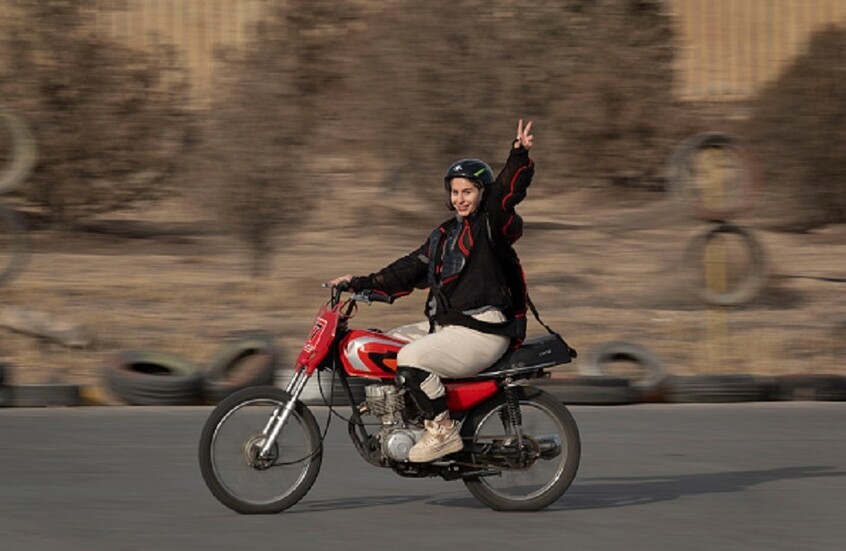
Iran has officially implemented a decision allowing women to obtain motorcycle and scooter licenses, a notable advancement in mobility rights. This change follows a decree signed by the Iranian vice president, mandating traffic police to issue licenses to women and provide practical training programs.
Training and Testing Supervised by Female Instructors
Authorities have clarified that the training and testing processes will be conducted under the supervision of qualified female instructors and officials. This initiative aims to facilitate the licensing process for women and ensure they are adequately prepared to drive according to established safety standards.
Ending Long-standing Administrative Restrictions
While there was no explicit legal ban previously, strict administrative interpretations had limited women's ability to obtain these licenses, leaving many without legal coverage or insurance and incurring significant financial liabilities in case of accidents.
A Step Towards Enhanced Mobility and Road Safety
Government officials, including the vice president responsible for women and family affairs, have stated that this decision not only expands women's mobility rights but also aims to alleviate traffic congestion and improve road safety by regulating the use of motorcycles and scooters.
Immediate Implementation Following Organizational Arrangements
The vice president announced that the necessary technical and administrative arrangements have been finalized, allowing for the immediate commencement of training sessions and the issuance of licenses, following years of advocacy from activists and civil society organizations to establish this right.
Enhancing Women's Participation in Transportation
This decision represents a significant step towards increasing the participation of Iranian women in the transportation sector and public life, providing a legal and institutional framework to ensure the safe and organized exercise of this right.
