Greece Moves Toward Social Media Ban for Children Under 15
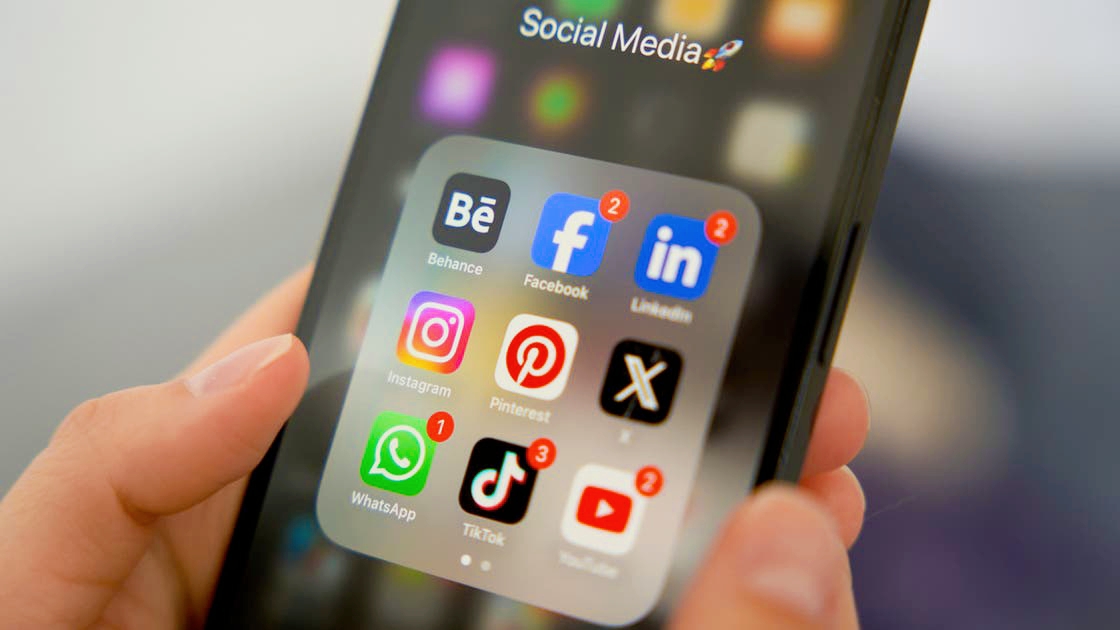
Greece is taking unprecedented steps to enhance online safety for children, with a senior government official informing Reuters on February 3, 2026, that the country is "very close" to announcing a ban on social media for minors under the age of 15.
This initiative aligns with a growing European movement aimed at tightening regulations on digital platforms, driven by rising concerns over their psychological and behavioral effects on children and adolescents.
Similarly, Spain has expressed intentions to impose a comparable ban on social media usage for individuals under 16, indicating a clear escalation in the regulation of major tech companies.
In addition to this, Madrid has introduced a proposed law that would hold social media platform leaders personally accountable for any hate speech content published on their sites.
At a broader European level, the EU's Digital Services Act, which came into effect in early 2024, mandates strict obligations for social media companies to monitor and remove content that violates established standards.
However, this legislation has sparked significant debate, with some viewing it as essential for governing the digital space, while others warn it could become a tool for surveillance that threatens freedom of expression.
This debate has intensified recently due to the rapid spread of AI-generated content, particularly following public outrage over reports concerning Elon Musk's chatbot "Grok," which was accused of generating sexual images without the consent of those depicted, including minors.
These developments signify a pivotal shift in how European governments perceive social media, transitioning from platforms of entertainment and communication to influential entities that require stringent legislation to safeguard children and society. The pressing question remains:
Will these laws strike a balance between protection and freedom?