Why Generation Z Prefers Texting Over Phone Calls
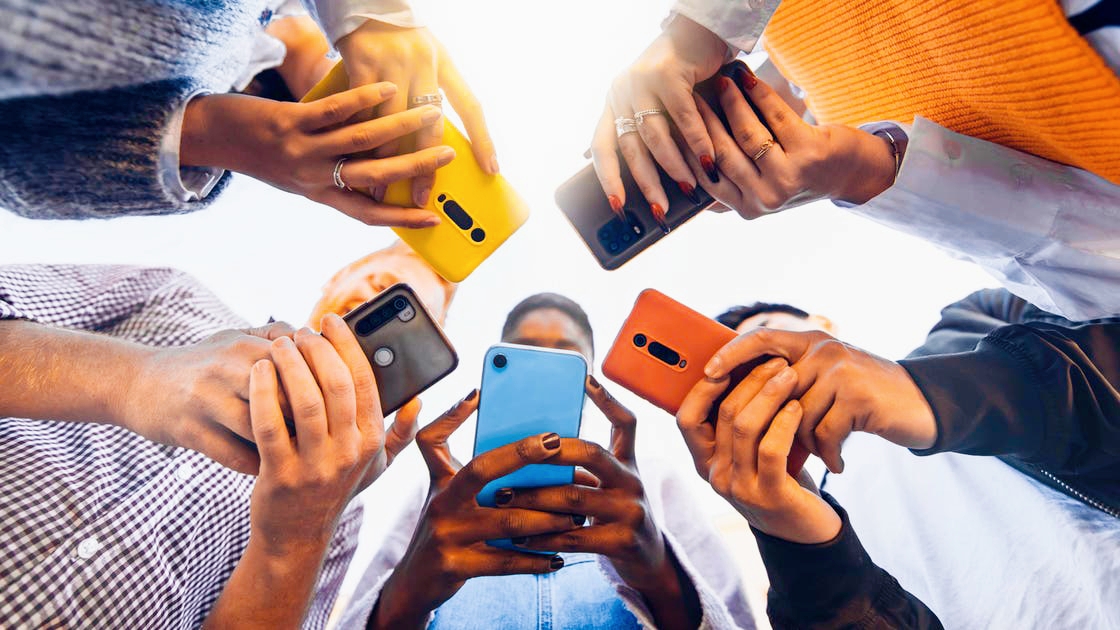
Responding to phone calls has become increasingly challenging for Generation Z, defined as individuals born between the mid-1990s and early 2010s (approximately 1997 to 2012).
Marie-Eileen MacDonald, an emeritus professor of psychology and language sciences at the University of Wisconsin-Madison, noted that many young people struggle with scheduling appointments, asking questions, or even disputing a bill, often opting to avoid phone calls altogether.
She explained that the primary reason for this trend is their preference for texting and digital communication rather than phone calls or face-to-face interactions.
However, MacDonald cautioned that this avoidance could have more significant consequences than they realize, emphasizing that social skills and direct communication are vital in both personal and professional contexts.
* Social and Professional Implications
• Employers are increasingly concerned that young employees may lack the ability to interact effectively with colleagues and clients.
• Young people may experience increased isolation, resulting in a shrinking social circle and heightened risks of social loneliness.
She added that the issue extends beyond social awkwardness; engaging in direct conversation is crucial for cognitive health.
While young people may listen to podcasts or watch videos on platforms like YouTube and TikTok, passive listening does not provide the same cognitive stimulation as real conversations, which require more mental effort and offer greater benefits in terms of focus and learning.
* Conversation Stimulates the Brain and May Prevent Dementia
• Discussing goals enhances mental focus and accountability.
• Athletes often practice self-talk to boost their perseverance and mood.
• Engaging in discussions about specific topics accelerates learning and retention.
• Regular social interaction may protect against dementia and promote mental health, although research has yet to fully explore the long-term effects of reduced direct interaction.
* Reasons for Avoidance
1 _ The COVID-19 Pandemic: has limited social communication opportunities during the transition to adulthood and remote work.
2 _ Overprotective Parenting: has removed many childhood challenges, leading to diminished coping and communication skills.
* Proposed Solutions
• Encourage young people to take public speaking, theater, and improvisation classes to enhance their conversational skills.
• Expand job interview and professional communication training programs at universities and employment centers.
Generation Z faces an invisible challenge in mastering the art of direct communication, and the current trends may have long-term implications for their mental and social well-being, according to the psychologist.