UAE Launches Global Biobank Project to Preserve Animal Genetics
February 4, 202639 AufrufeLesezeit: 2 Minuten
Schriftgröße
16
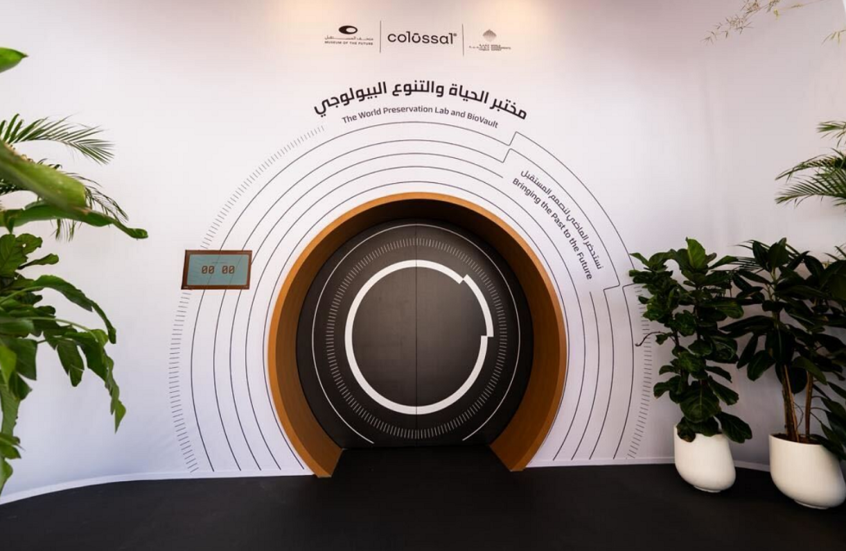
A synthetic biology startup, Colossal BioSciences, has signed a multimillion-dollar agreement with the United Arab Emirates to establish a secure biological laboratory and repository in Dubai. The facility aims to preserve genetic materials from various animal species, safeguarding them against extinction and environmental disasters.
Official Support from Emirati Leadership
The announcement was made during the World Government Summit in Dubai, attended by Sheikh Hamdan bin Mohammed bin Rashid Al Maktoum, the Crown Prince of the UAE, who reaffirmed the country's commitment to the project. This initiative is part of a global network of biological repositories designed to conserve thousands of species worldwide.
Project at the Museum of the Future in Dubai
The project will be located at Dubai's Museum of the Future, with the UAE participating in Colossal's current funding round, which focuses on projects aimed at reviving extinct species, including the woolly mammoth, and may engage in future funding opportunities.
Vision for Biodiversity Conservation
Majid Al Mansouri, the director of the Museum of the Future, stated, "The initiative will prioritize fieldwork and DNA research across various species in its first year, establishing a scientific foundation for future biodiversity protection." Ben Lam, CEO of Colossal, described the distributed network of biological repositories as a "modern Noah's Ark," emphasizing the urgent need for secure storage and an international cooperation framework to protect life on Earth.
Global Significance of the Project
The facility in Dubai will house millions of samples from over 10,000 species, focusing particularly on more than 100 critically endangered species that are currently not stored elsewhere. These repositories are part of similar international efforts, including the global seed vault in Svalbard, Norway, as well as facilities in the United States, the United Kingdom, Peru, the Philippines, Mexico, and Australia.
A Step Towards a Sustainable Legacy
This initiative represents a significant step in utilizing technology and innovation to address global environmental challenges while ensuring a sustainable scientific legacy for future generations and protecting biodiversity on our planet.