Saudi Study Links Increased Screen Time to Rising Dry Eye Symptoms
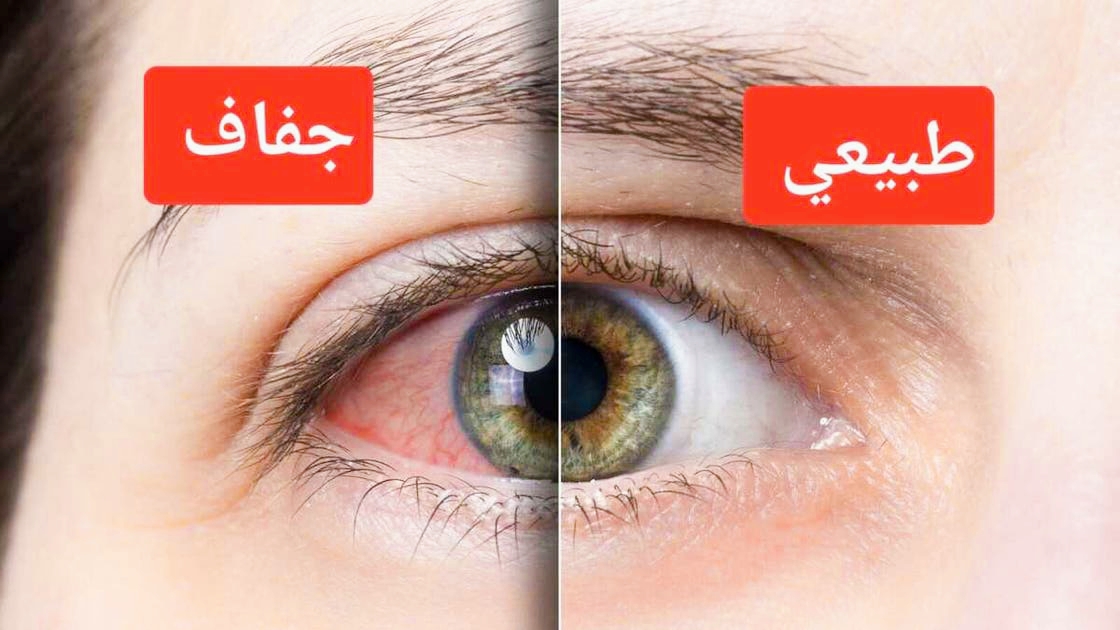
A recent national study conducted in Saudi Arabia has identified a notable increase in dry eye symptoms, establishing a clear link between prolonged use of digital devices and the worsening of these symptoms. This issue is emerging as a significant challenge for eye health in contemporary society.
Dr. Maryam Al-Eissa, a genetic disorders consultant at the Ministry of Health, noted that the study, titled:
"For Clearer Vision: Epidemiology and Patterns of Clinical Symptoms of Dry Eye in Saudi Society,"
was based on a national cross-sectional methodology involving 1,009 participants from various regions of the kingdom, utilizing standardized diagnostic tools and an in-depth analysis of behavioral and demographic factors associated with the condition.
* Screen Time as a Major Risk Factor
The study confirmed a strong correlation between extensive screen time and increased severity of dry eye symptoms, particularly irritation and dryness, underscoring the significant role of visual behavior changes in the rise of this condition.
Results indicated that women reported higher levels of symptoms compared to men, with young adults aged 18 to 34 being the most affected, largely due to the demands of work and study, as well as prolonged screen usage.
* Work Environment Influences Symptom Severity
The findings revealed that workers in outdoor environments experienced more severe eye discomfort compared to those in indoor settings.
Statistical analyses also indicated that social status, employment situation, and education level play a role in symptom severity, highlighting the complexity of factors influencing dry eye.
* Key Health and Technical Recommendations
Dr. Al-Eissa emphasized that the findings serve as an important indicator of community health in the kingdom, calling for:
• The creation of visually comfortable work environments
• Raising awareness about the risks associated with prolonged digital device usage
• The development of AI-based screening and diagnostic mechanisms
• Integrating eye surface health assessments into chronic disease management programs
* National Interdisciplinary Research
She stated that the study serves as a model for integrated research, involving professionals in clinical ophthalmology, epidemiology, and public health from a selection of Saudi and international researchers.
She added that this research project aligns with the goals of Saudi Vision 2030, which focuses on health prevention and improving quality of life.