Greece Moves Toward Social Media Restrictions for Minors Under 15
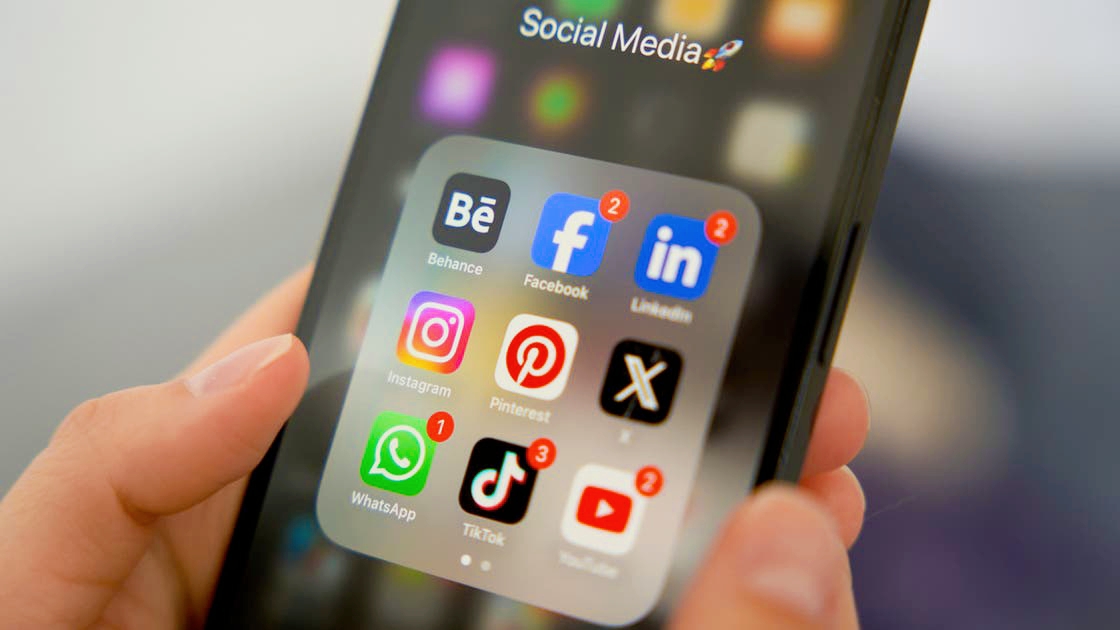
Greece is taking significant steps in online child protection, with a senior government official informing Reuters on Tuesday, February 3, 2026, that the country is "very close" to instituting a ban on social media usage for individuals under the age of 15.
This initiative aligns with a growing trend across Europe to impose stricter regulations on digital platforms, driven by increasing concerns regarding their psychological and behavioral effects on young users.
In a related development, Spain has announced plans to introduce a similar ban for those under 16, indicating a heightened response to the influence of major technology firms.
Additionally, Madrid has proposed new legislation that would hold social media executives personally accountable for any hate speech disseminated via their platforms.
At the European level, the EU Digital Services Act, which became fully effective in early 2024, mandates stringent requirements for social media companies to monitor and eliminate content that breaches established standards.
However, this legislation has sparked considerable debate, with some advocating for its necessity in regulating the digital landscape, while others express concerns about its potential to infringe on freedom of expression.
The discussion has intensified recently, particularly following public backlash against reports of Elon Musk's chatbot "Grok," which has been accused of generating sexual images without consent, including those of minors.
These developments signify a notable shift in how European governments view social media, transitioning from platforms primarily for entertainment and communication to influential entities that necessitate rigorous legislation to protect children and society. This raises the ongoing question:
Can these regulations strike a balance between safeguarding minors and preserving freedom?