International Call for Coordination Following Leak of Syrian Prison Archive
A significant leak revealing over 70,000 images documenting the deaths of detainees in Syrian regime prisons has ignited controversy and debate on social media. These images, primarily captured by the Syrian military police between 2015 and 2024, expose ongoing practices of arrest, torture, and killing, continuing the narrative established by the earlier "Caesar Files" scandal in 2014.
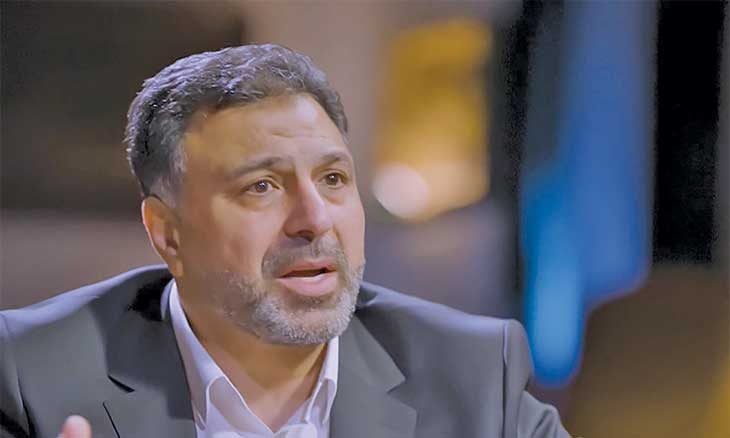
First Lieutenant Fared Al-Mazhan, known as "Caesar" for his previous leaks that led to U.S. sanctions against the Syrian regime in 2019, has commented on these recent developments. He accused those responsible for the new leaks of remaining loyal to the regime rather than genuinely defecting. Al-Mazhan stated, "Some of them continued to commit criminal acts until the regime's fall and then sought to profit from their past by releasing documents and images."
He further asserted that these individuals did not release the documents to support the cause of detainees or justice, but rather to negotiate asylum in Western countries while evading accountability for their actions. Al-Mazhan criticized the portrayal of these leaks as heroic, labeling those involved as unacceptable figures within the former regime's structure, including doctors and military personnel.
Conversely, Al-Mazhan commended the efforts of certain media outlets and humanitarian organizations that are committed to uncovering the truth. He emphasized the need for coordination with official Syrian authorities, stating, "The government must work closely with media institutions and international human rights organizations to ensure that no statements or leaks regarding these files occur without collaboration with the Ministry of Justice and the National Missing Persons Authority." He expressed this request as a means to seek the truth and to honor the feelings of the families of the missing individuals, highlighting the ongoing pain since the regime's fall.
The new archive, which surpasses the original "Caesar Files" in scale, was obtained by a team of journalists from North German Radio (NDR) via a CD, later shared with the International Consortium of Investigative Journalists (ICIJ). It includes documentation of 10,212 individuals who died in custody or shortly after being transferred from prisons to military hospitals.
Investigations indicate that the new images were also leaked by a former colonel who led the evidence preservation unit in the military police in Damascus, according to NDR. The colonel shared the files through intermediaries while maintaining anonymity.
This leak underscores that the former regime systematically documented these human rights violations and remained undeterred even after international scrutiny, further highlighting the humanitarian crisis faced by detainees during that period.