Controversy Over Cancer Treatment Claims on Tunisian TV Show
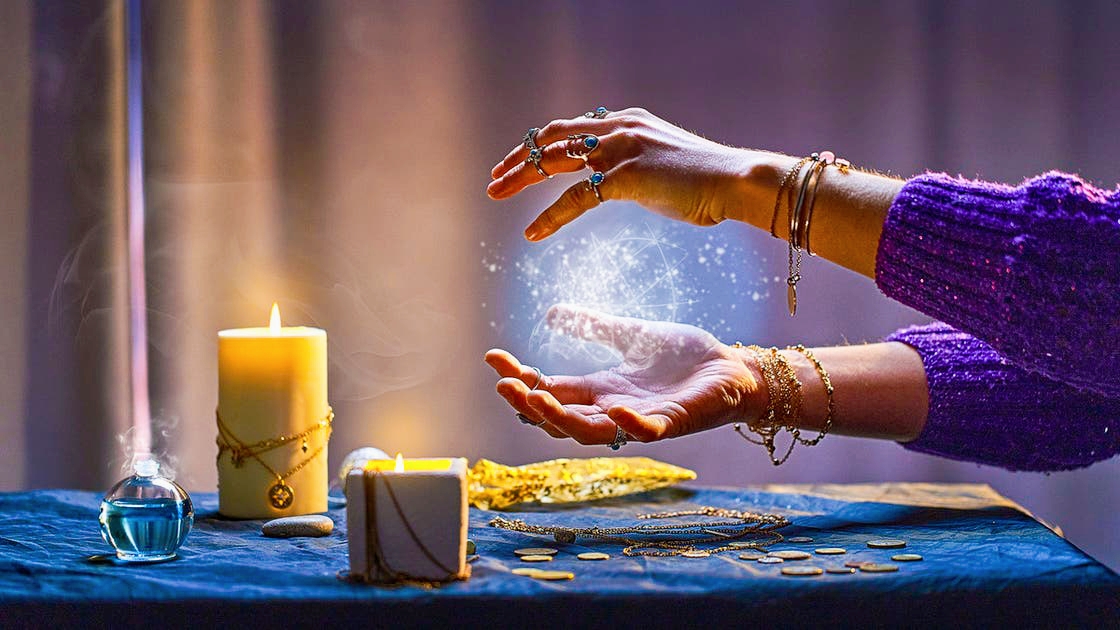
A controversial episode of the program "Promax" aired on the channel "Al Hiwar Al Tunisi" has ignited criticism in Tunisia after featuring guests who claimed they could treat incurable diseases, particularly cancer, using witchcraft.
In the latest episode, broadcast on Sunday evenings, the show highlighted supposed "cancer treatments" through non-scientific techniques, with guests asserting they could cure malignant tumors using methods outside of modern medicine, such as "witchcraft" and "magic." This has led to widespread outrage among medical professionals and the public.
* Medical Professionals File Complaints
The Tunisian Medical Council has expressed strong disapproval of the episode's content, warning that such programs could jeopardize public health and mislead patients seeking cancer treatment solutions. In an official statement, the council emphasized that effective treatment for this disease requires approved medical protocols, stating that reliance on non-scientific methods could expose patients to serious risks and delay effective care.
* Concerns Over Public Misinformation
The council stressed that inviting individuals who promote non-medical cancer treatments constitutes a misleading endorsement of alternative medicine, potentially worsening patients' health situations and leading them to make ill-informed decisions. It noted that such programming paves the way for the spread of unrecognized "traditional medicine."
* Response from Host Samir Waafi
In defense of the episode, host Samir Waafi stated that it aimed to present "real stories from Tunisian reality," asserting that the program included visual warnings throughout the broadcast indicating that it did not endorse the guests' views or recommend their practices, urging viewers to consult qualified medical professionals. Waafi added that previous episodes had showcased the successes of Tunisian doctors in treating various diseases, particularly cancer.
* Tunisian Law on Witchcraft and Fraud
It is important to note that Tunisian law does not explicitly address witchcraft crimes but categorizes them under "fraud crimes." Article 291 of the penal code stipulates that anyone using fraudulent means or claiming to possess supernatural abilities to deceive others into fictitious schemes is subject to penalties, including imprisonment and fines.
As the program remains at the center of a significant debate, it raises questions about the media's role in presenting content that adheres to scientific and health standards, as well as the challenges of balancing freedom of expression with the responsibility to protect public health.