Seventeen Killed in Elephant Attacks in Jharkhand, India
January 11, 202656 VuesTemps de lecture: 2 minutes
Taille de police
16
At least 17 people have been killed in a series of elephant attacks in Jharkhand, India, since the beginning of the year, according to local media reports.
Details of the Attacks
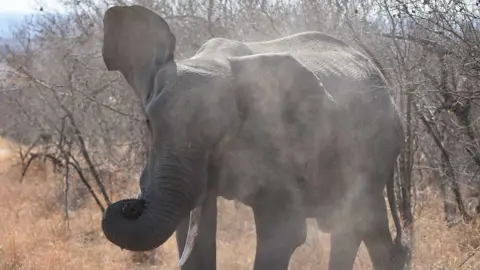
The incidents have occurred since January 1 in the West Singhbhum region, affecting multiple villages. A young male elephant is believed to be responsible for around 12 separate attacks. In one incident in the village of Babadiya, a couple and their four children lost their lives. Some victims suffered severe injuries, including decapitation, highlighting the brutality of the attacks.
Authorities' Response to Manage the Elephant
Forest officer Aditya Narayan stated that several teams are monitoring the elephant across a 100-kilometer area that includes three forest districts. The primary goal is to calm and safely relocate the elephant to prevent further casualties. Authorities are employing fireworks and patrol teams, along with local residents, to steer the elephant away from populated areas.
Residents in high-risk zones have been relocated to safer areas in collaboration with forest teams and local commissions.
Potential Causes of Aggressive Behavior
Experts suggest that the elephant may be in "musth," a hormonal condition in males characterized by elevated testosterone levels, which can increase aggression. Wildlife specialists are collaborating with government and independent agencies to manage the situation and mitigate human-elephant conflicts.
Community Concerns
Local residents are calling for long-term solutions to prevent future incidents and are seeking compensation for the families of the victims. The risks are heightened when wild elephants enter human settlements, particularly at night. Authorities continue their efforts to track, calm, and relocate the elephant, while residents remain on alert to avert further loss of life.