January's Supermoon: Last Chance to View Until November 2026
January 1, 2026148 VuesTemps de lecture: 2 minutes
Taille de police
16
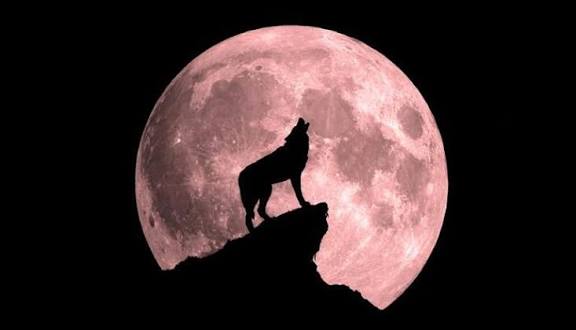
The world is set to witness the last supermoon of a series that began in October, as the moon reaches its full phase at its closest point to Earth on the morning of January 3. This will make it appear larger and brighter than usual compared to other months of the year.
This unique astronomical phenomenon provides enthusiasts with the opportunity to see the moon at its most impressive before this chance disappears until November 2026.
What is a supermoon?
A supermoon occurs when the moon is at its closest point to Earth, known as perigee, in its elliptical orbit, making it appear larger and brighter than normal. Astronomers have recorded three supermoons since October, with January's full moon marking the final one in this cycle.
The moon's apparent size can increase by up to 14%, and its brightness can enhance by as much as 30% compared to when it is at apogee, creating a striking visual effect, particularly in clear and snowy areas.
Best Viewing Times
For optimal viewing, it is recommended to watch the moon on the nights of January 2 and 3, when it rises in the eastern horizon before moving westward with the sunrise. Its brightness peaks at 5:03 AM Eastern Time, a moment when many regions remain dark, providing an excellent opportunity to observe the phenomenon.
Extended Viewing Opportunity
If you miss the peak viewing time, the moon will retain over 90% of its brightness from December 31 to January 5, giving astronomy enthusiasts an additional chance to enjoy the spectacle.
No Special Equipment Needed
Observing the supermoon does not require special equipment, as it is one of the brightest objects in the night sky. However, using binoculars or telescopes can enhance the viewing experience by revealing surface details and allowing for more precise photography.