Debate on Salaries of Egyptian Drama Stars Resurfaces Amid Ramadan Season
January 6, 2026174 VuesTemps de lecture: 2 minutes
Taille de police
16
The conversation regarding the salaries of stars in Egyptian drama has come back into focus, sparked by an indirect exchange between actors Ahmed El-Awady and Mohamed Adel Imam about who is the highest-paid artist this Ramadan season. This has echoed previous debates within the artistic community over the years.
From Mohamed Ramadan to El-Awady and Imam
The current discussion was reignited after El-Awady claimed he was the highest-paid in Egyptian drama, to which Mohamed Adel Imam responded that his father, the renowned actor Adel Imam, remains the highest earner despite his absence from the scene for several years. This debate recalls a prior instance when Mohamed Ramadan raised similar questions about his earnings, which led to significant public criticism and a subsequent decline in discussions about star salaries for an extended period.
Public Questions on Artistic Value
This debate has generated considerable interaction on social media, where users have questioned the relevance of boasting about substantial salaries and the actual relationship between these figures and the quality of artistic content, especially amid increasing competition and diversity in the works being presented.
El-Shanawi: Financial Disparities Have Decreased
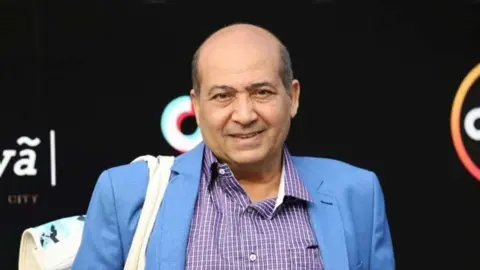
In this context, art critic Tariq El-Shanawi stated in an exclusive interview with "Eram News" that salaries for top-tier artists have become significantly closer over recent years, noting that the gaps that once existed are no longer as pronounced, thereby reopening the discussion about who holds the title of the "highest salary" once again.
The Highest Salary... A Marketing Tool, Not a Measure of Success
El-Shanawi further remarked that discussions about salaries have evolved from being an unusual topic to a common marketing strategy, used to promote certain dramas as the most significant or important, without necessarily reflecting their artistic value. He emphasized that a high salary does not inherently equate to superior work or a more impactful performance, arguing that true success should be measured by audience engagement and content quality rather than behind-the-scenes financial figures.
A Promotion That May Backfire
El-Shanawi cautioned that excessive promotion of the "highest salary" concept could, in some cases, lead to counterproductive results, as it raises public expectations to unrealistic levels, potentially harming the artistic work if it fails to meet the accompanying hype.