Egypt Opens First Sleep Museum in Rosetta's Historic Buildings
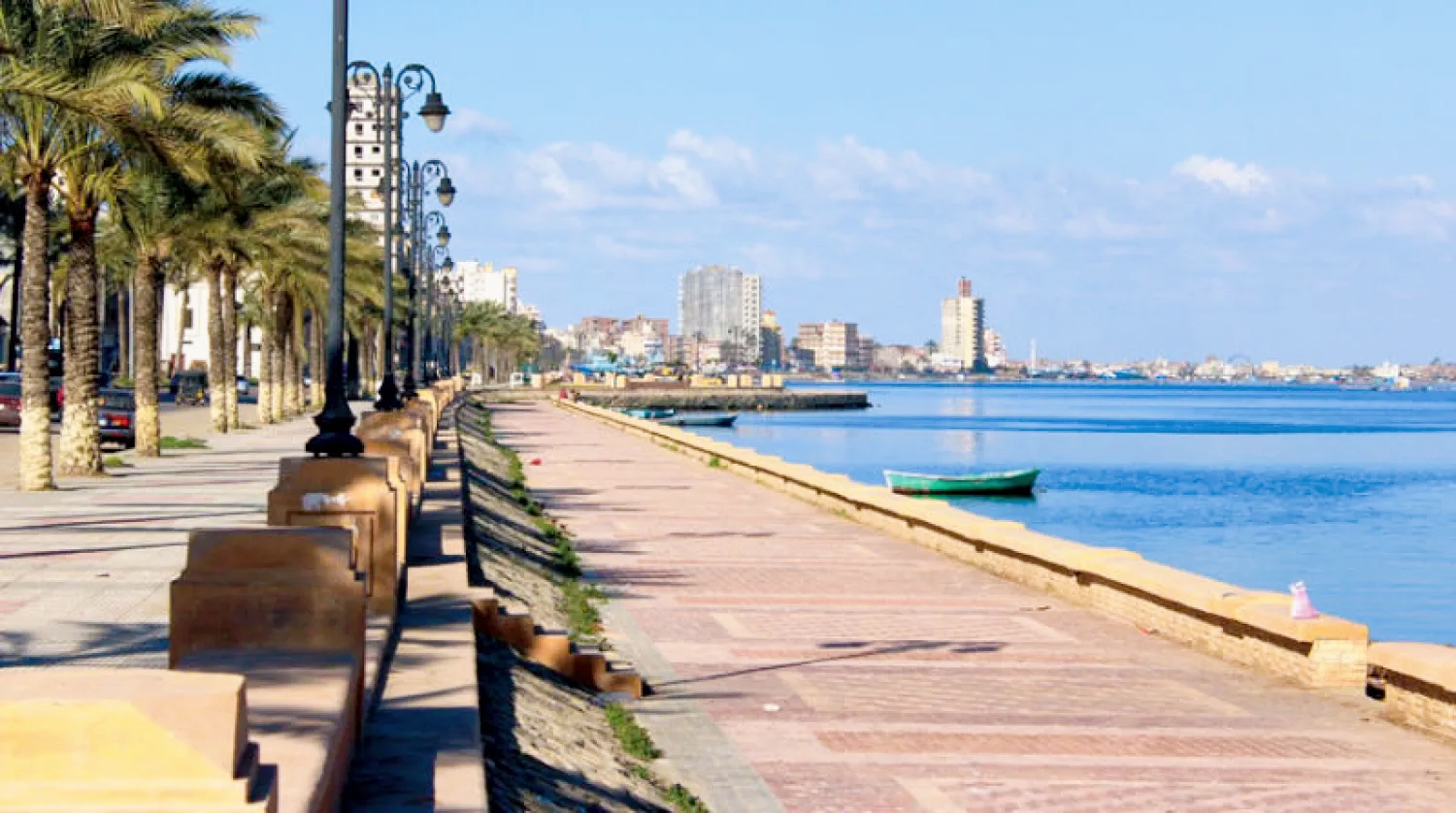
In a significant move to revitalize its cultural heritage, Egyptian authorities have launched an ambitious initiative to transform the city of Rosetta, located on the Mediterranean coast, into an open-air museum where visitors can experience life and even sleep within its historic walls.
The initiative, announced by Dr. Jacqueline Azar, the governor of Beheira, aims to utilize the city's unique heritage buildings, converting some into historically-themed hotel rooms. This experience is the first of its kind at this scale, designed to attract tourists and encourage longer stays.
The governor emphasized that Rosetta is a jewel of Beheira province and its historical capital, recognized as a major tourist and heritage destination due to its unique cultural value, appealing to both Egyptian and foreign tourists eager to explore the depth of Egyptian history.
She noted that a comprehensive study has been completed to assess the city's tourism development needs, with implementation expected to begin in the coming weeks.
* Rosetta's Historic Center Transformed into an Open-Air Museum
The focus is on the historic heart of the city, particularly the Sheikh Qandil Street and King’s Corridor areas, which are among the most representative of Rosetta's architectural identity. These areas will be transformed into an open-air museum, incorporating hotel rooms within heritage homes, similar to successful projects in provinces like Aswan and Giza.
* A City Rich in Islamic Monuments
Rosetta is one of Egypt's cities with the richest Islamic heritage, ranking second after Cairo in terms of historical buildings. The city boasts 22 ancient houses, 10 old mosques, as well as a historic bath, a mill, an ancient gate, and the Qaitbay Citadel, along with remnants of an ancient wall.
Most of these structures date back to the Ottoman period, while the Qaitbay Citadel, the Rosetta Gate, and the remnants of the wall are from the Mamluk era.
* “A Living Museum Where You Can Sleep”
Magdy Sadek, a member of the Egyptian Federation of Chambers of Commerce’s tourism and travel agencies, highlighted the significance of the project, noting that such tourism initiatives typically have lower costs compared to traditional hotels. This encourages tourists to stay longer and spend more in the city, positively impacting the national economy.
Sadek emphasized the importance of adhering to standards that ensure a balance between tourism investment and the preservation of the authentic historical and architectural character of the buildings.
He added that heritage hotel rooms are among the most sought-after types of accommodation by tourists, widely found in many European countries, known for their ability to reflect local identity and often situated in historic palaces, traditional houses, or ancient inns and castles.
These rooms will feature classic furniture made from natural wood or wrought iron, and include arches, high wooden ceilings, and original stone or terracotta walls, creating what he described as a “living museum where you can sleep,” ideal for history enthusiasts, photographers, and those seeking a unique romantic atmosphere.
He indicated that Egypt aims to attract 30 million tourists annually, a goal that can only be achieved by increasing the number of hotel establishments and diversifying accommodation types.
* Call for Expansion of the Experience
Captain Mohamed Naguib, chairman of one of the largest tourism companies in Egypt, remarked that the concept of creating hotel rooms within heritage homes according to approved standards is a successful step, advocating for the expansion of this experience to other regions, including central Cairo and various provinces, not just Rosetta.
He explained that expanding this experience represents international confidence in Egyptian architecture and its potential as a tourist asset, emphasizing the possibility of utilizing historic government buildings, particularly in central Cairo, as architectural assets that can be developed for tourism while preserving heritage.
With this initiative, Rosetta is reclaiming its historical titles as “Egypt's port” and “gate of the Nile,” and “land of a million palm trees,” now reimagined as an open-air museum and a unique sleeping experience in the pages of history.