Amazon Unveils Portable AI Device to Compete with Apple and Meta
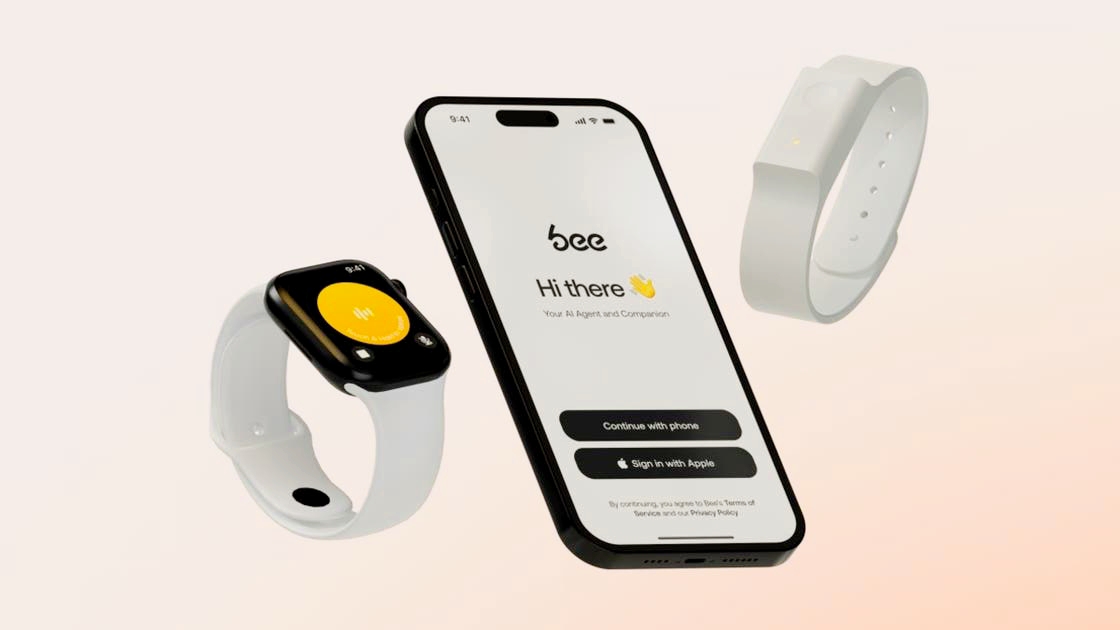
At the CES 2026 electronics show in Las Vegas, artificial intelligence took center stage, showcasing its presence in various devices from smart rings to household gadgets.
However, Amazon made headlines with a significant announcement: the acquisition of Bee, a company that has developed a portable AI device that can be worn as a clip or bracelet, serving as a smart companion for users beyond the confines of their homes.
* A Step Beyond “Alexa”
While Amazon has established a strong foothold in the smart device market with “Alexa” — which operates on 97% of its devices — the Bee device represents a distinct shift in strategy.
According to a report from TechCrunch, Amazon aims to extend the AI experience from home into everyday life, encompassing work, education, and travel.
* What Does the Bee Device Do?
The Bee is primarily designed to record conversations, including:
• meetings
• interviews
• classes
Beyond recording, it functions as a personal smart assistant that learns from the user over time.
The device utilizes:
• a broad base of general knowledge
• learning from user recordings
• integration with services users choose to connect, such as Gmail, Google Calendar, contacts, and Apple Health data
* How is Bee Different from Amazon's Previous Efforts?
Amazon has previously attempted to integrate “Alexa” into wearable devices like earbuds and smart glasses, but these efforts struggled to gain traction against strong competitors such as:
• Apple's AirPods
• Meta's Ray-Ban glasses
Amazon believes that Bee has a unique opportunity, as it focuses not just on voice interaction but on understanding the user's overall daily life.
* A Unique Integration with Alexa
Maria de Lourdes Zulu, co-founder of Bee, emphasized that the relationship with Alexa is not competitive but rather a smart partnership:
“Bee understands what happens outside the home, while Alexa understands what happens inside. In the future, these two worlds will converge.”
Daniel Rausch, Amazon's vice president of Alexa, described the Bee experience as “enjoyable and deeply interactive,” asserting that the combination of both experiences will provide users with greater long-term value.
* Practical Applications in Daily Life
Bee learns the user's lifestyle and commitments, enabling it to:
• suggest automated tasks
• remind users of commitments
• summarize the day and events
Among the early users:
• students recording lectures
• elderly individuals with memory issues
• professionals engaged in intensive discussions at work who prefer not to take manual notes
Zulu noted that the device builds a personal cognitive map for the user, allowing them to interact with the AI to understand what occurred throughout their day and how their habits have evolved over time.
* Privacy Concerns
Similar to Alexa, Bee employs a blend of AI models while exploring the integration of Amazon's proprietary models into the system.
After transcribing voice conversations into text:
• audio recordings are deleted;
This measure enhances privacy but may limit the device's utility in certain professional settings that require access to the original audio.
* 2026: A Year of Transformation
While details remain under wraps, Zulu revealed that 2026 will see significant developments for the device, following the recent announcement of new features such as:
• voice notes
• ready-to-use templates
• smart daily overviews
The Bee team, consisting of only eight members, operates from its San Francisco headquarters, close to the Alexa and device teams at Amazon.
The co-founder concluded:
“Opportunities have become limitless, and that’s one of the reasons we are very excited to be part of Amazon.”
* In Summary
With this acquisition, Amazon sends a clear message:
Personal AI will no longer be confined to homes.
With Bee, the company enters a new race to compete with Apple and Meta in a battle titled:
Who will be the smart assistant closest to your daily life?