LastPass Security Breach Raises Concerns Over Password Management Tools
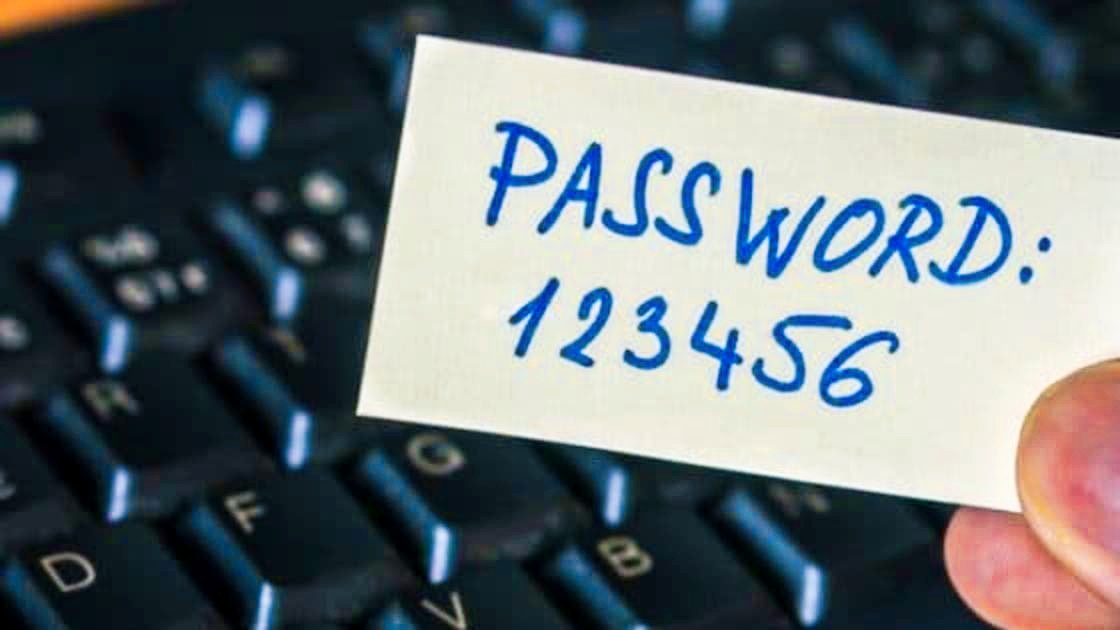
Password management tools are considered essential for digital security, helping users avoid the pitfalls of storing passwords on paper or in unsecured files.
However, what happens when these tools themselves are compromised? Can users regain trust in them?
This question is now at the forefront for millions of LastPass users following one of the most significant breaches in the company's history, which has compromised personal data for both individuals and businesses and ignited discussions about the reliability of such services.
* A Breach Affecting Millions
LastPass has reported a major security breach impacting approximately 20million users and 100,000 companies.
The compromised data included usernames, email addresses, phone numbers, and stored website links, as detailed in a report by Slashgear.
While the passwords themselves remained encrypted due to a cryptographic model known as “ZeroKnowledge,” the incident serves as a critical warning for current and prospective users of LastPass, leading some to consider switching to alternative services.
* Modest Penalty Amid Criticism
The UK Information Commissioner's Office has levied a fine of £1.2 million (approximately $1.6 million) on LastPass.
This fine is seen as minimal in relation to the scale of the breach, amounting to less than one dollar for each of the affected users in the UK.
* A Series of Security Failures
Importantly, the breach was not a single event but rather a culmination of multiple security oversights:
• Initial Incident: An attacker accessed a work computer belonging to a LastPass employee, gaining entry to the internal development environment without initially compromising user data.
• Follow-Up Incident: The hacker targeted a senior employee by exploiting a known vulnerability in an external streaming service, using malware to obtain the password and bypass two-factor authentication, ultimately accessing the backup database.
* Systemic Issues Identified
Experts in information security have indicated that the breach resulted from a series of systemic vulnerabilities rather than a singular error.
Addressing these issues will require a comprehensive overhaul of the security infrastructure, rather than just quick fixes.
Of particular concern is that the breach dates back to 2022, while fines were only imposed in December 2025, raising questions about the effectiveness of any security improvements made in the interim.
* Can Users Trust LastPass Again?
Although passwords were not decrypted, the incident raises a vital question:
Is encryption sufficient to ensure trust?
For many users, the answer is increasingly complicated, potentially leading them to reconsider their reliance on any password management service, regardless of its popularity.