Israeli Analysis Highlights Egypt's Advances in Military AI Capabilities
February 8, 202646 ViewsRead Time: 2 minutes
Font Size
16
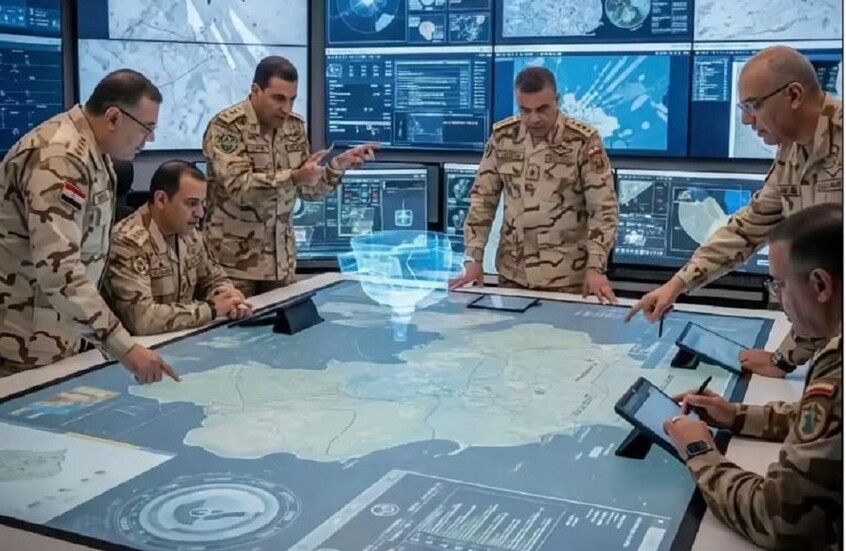
An Israeli report from "Maariv" has drawn attention to Egypt's advancements in military artificial intelligence, suggesting that this development could significantly impact the regional balance of power.
The report emphasizes that Egypt is shifting its focus from merely upgrading traditional military assets like tanks and aircraft to creating a comprehensive digital framework that incorporates advanced software, data analytics, and automated decision-making systems.
Efforts Toward Self-Sufficiency
The report elaborates that Egypt aims to achieve operational autonomy in artificial intelligence by minimizing its dependence on foreign technologies and gaining greater control over its algorithms and command systems. This approach reflects a contemporary military strategy centered on the capacity for independent data processing and the ability to retrain intelligent models during crises and military engagements.
Incorporating AI into Intelligence and Drones
According to the report, the Egyptian military is integrating artificial intelligence into its intelligence operations and unmanned aerial vehicles, as well as within command and control frameworks. These technologies facilitate quicker data analysis from sensors and drones, thereby expediting decision-making processes and mitigating operational risks.
Reducing Reliance on Western Technologies
The report also highlights Egypt's initiative to lessen its reliance on Western software and cloud services by consolidating data within its own borders and developing artificial intelligence models domestically. This strategy enhances the independent processing of intelligence data, decreases vulnerability to external surveillance or technical limitations, and accelerates military decision-making.
Testing AI Capabilities with the "Hamza 2" Drone
The report mentions that the "Hamza 2" drone is currently being utilized as a platform for testing operational autonomy systems, including computer vision technologies for target identification and route planning. These systems are designed to function effectively even in environments with electronic interference or communication disruptions, thereby improving operational capabilities in complex combat scenarios.
Collaboration with China to Boost Development
The report also discusses the technical collaboration between Egypt and China, which is instrumental in advancing artificial intelligence initiatives. It notes that Beijing's expertise in these technologies, particularly in advanced computing, plays a crucial role in this partnership. Furthermore, the cooperation includes developing Arabic natural language processing models, which will aid in analyzing regional dialects for intelligence purposes.