Egypt Introduces New Regulations on Children's Social Media Use
The Egyptian government has launched an extensive legislative initiative to redefine the interaction between children and the digital realm. This action is part of a national strategy aimed at shielding young people from the potential hazards associated with the internet and social media platforms, under direct presidential endorsement.
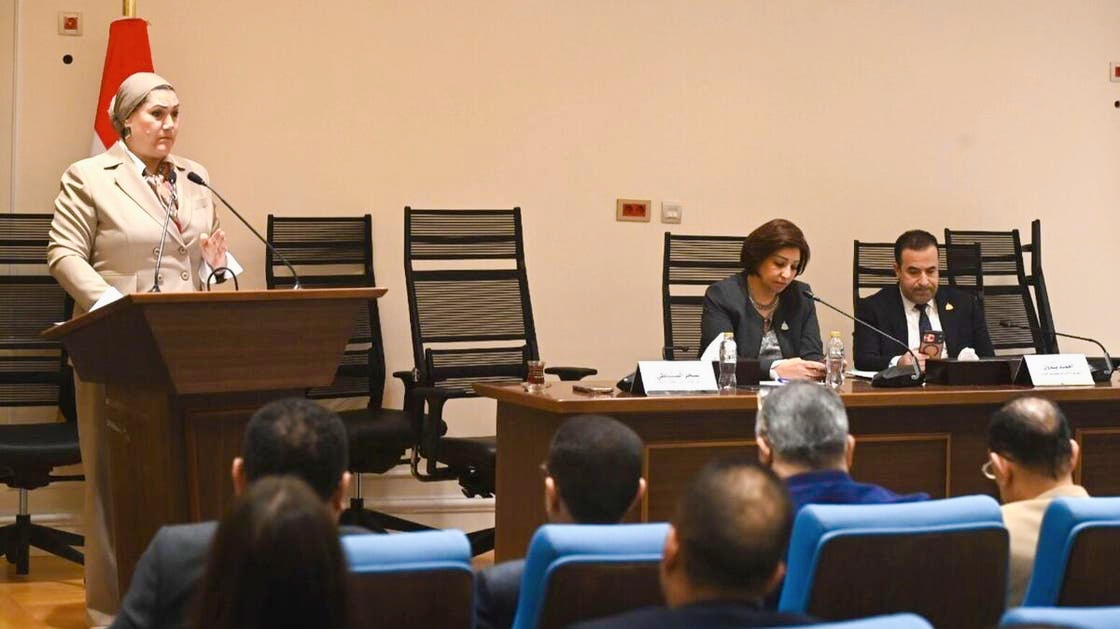
During a session of the House of Representatives, Minister of Communications and Information Technology Dr. Amr Talaat and Chairwoman of the National Council for Childhood and Motherhood Dr. Sahar El-Sunbati outlined a new draft law intended to enforce stringent regulations on children's engagement with digital platforms, addressing what officials have termed "digital chaos" that jeopardizes youth safety.
* Comprehensive Strategy
The Minister of Communications introduced a national strategy founded on five key pillars to tackle the risks children face online. He emphasized that the government will not permit the continuation of "closed social circles" that exploit children emotionally and psychologically through digital content.
* Concerns Over Negative Role Models
The minister highlighted the risks posed by what he referred to as "false negative role models" that encourage harmful behaviors via social media. He noted that some platforms have become environments for dangerous challenges that may lead children to self-harm, in addition to issues of digital addiction and excessive spending on video games.
* Age Verification and Content Blocking
The government’s plan includes implementing technical measures to verify users' ages before granting access to potentially harmful websites and games, along with the immediate blocking of digital games that foster harmful social interactions or incite violence.
Additionally, it mandates that international platforms activate virtual safety settings for children and prevent algorithms from directing them toward extremist or harmful content. The initiative also aims to incorporate digital safety education into school curricula in collaboration with the Ministry of Education.
* Proposed Ban for Minors
Dr. Sahar El-Sunbati proposed a complete ban on social media use for individuals under the age of 16, drawing inspiration from Australia's approach.
The council also suggested establishing specialized judicial circuits to expedite the removal of harmful content and legislating a "right to digital forgetfulness" for those reaching the age of 18, allowing for the deletion of damaging content linked to childhood.
* Monitoring and Enforcement
The recommendations include requiring telecommunications companies to offer family packages that filter harmful content at the source and imposing strict penalties for the use of artificial intelligence technologies to produce or promote exploitative materials for children.
Moreover, the establishment of a national committee for children's digital rights is proposed to oversee compliance with the new regulations and provide periodic evaluation reports.
* Legislative Developments
The House of Representatives has begun drafting a law to regulate children's use of social media applications and websites, drawing on international experiences that restrict mobile phone use until a certain age.
This initiative arises in response to increasing psychological and behavioral risks associated with excessive technology use, with the goal of protecting children and fostering their cognitive and emotional development, rather than imposing political or social constraints.