Controversial Tunisian Show Sparks Outcry Over Claims of Cancer Treatment by Sorcery
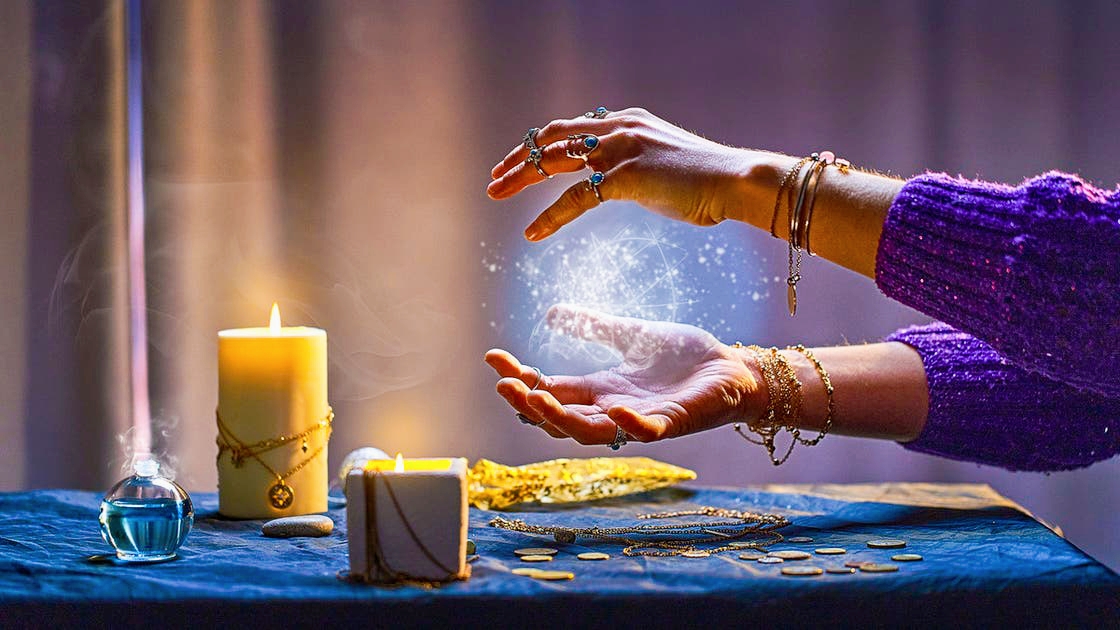
A controversial episode of the show "Promax" on the channel "Al-Hewar Al-Tunisi" has ignited a wave of criticism in Tunisia after it featured individuals claiming they could treat incurable diseases, particularly cancer, through sorcery and witchcraft.
The episode, aired on Sunday evenings, focused on "cancer treatment" using non-scientific methods, with guests asserting their ability to heal patients with malignant tumors through alternative means rather than modern medicine, including "sorcery" and "witchcraft." This sparked widespread outrage among medical professionals and the public.
* Medical Professionals File Complaints
The Tunisian Medical Association expressed serious concern regarding the episode's content, warning that such claims could endanger public health and mislead patients seeking cancer treatment options. In an official statement, the association emphasized that effective treatment for this disease requires medically recognized and scientifically validated protocols, noting that reliance on non-scientific methods could expose patients to significant risks and delay necessary treatment.
* "Misleading the Public"
The association highlighted that the show's invitation to individuals promoting cancer treatments through non-medical methods constitutes an endorsement of misleading alternative medicine, which could exacerbate patients' health situations and lead to ill-informed decisions. Additionally, they stated that such programs could pave the way for the spread of "non-scientifically recognized traditional healing practices."
* Response from Host Samir Al-Wafi
In response, host Samir Al-Wafi defended the episode, stating it was merely a presentation of true stories from Tunisian reality. He emphasized that the program displayed visual warnings throughout the broadcast indicating that the management did not endorse the guests' views and recommended that viewers consult medical professionals. Al-Wafi added that he had previously dedicated several episodes to showcasing the successes of Tunisian doctors in treating various diseases, particularly cancer.
* Tunisian Law: Sorcery Considered Fraud
It is important to note that Tunisian law does not explicitly address crimes of sorcery and witchcraft, but categorizes them as part of "fraud crimes." Article 291 of the Penal Code states that anyone who employs fraudulent means or claims supernatural abilities to convince others of fictitious projects may face penalties, including imprisonment and fines.
While the program remains controversial, the incident raises questions about the media's role in presenting content that meets scientific and health standards, as well as the challenges of balancing freedom of expression with the responsibility to protect public health.