Exploring the World’s Most Expensive Material: The Value of Natural Blue Pigment
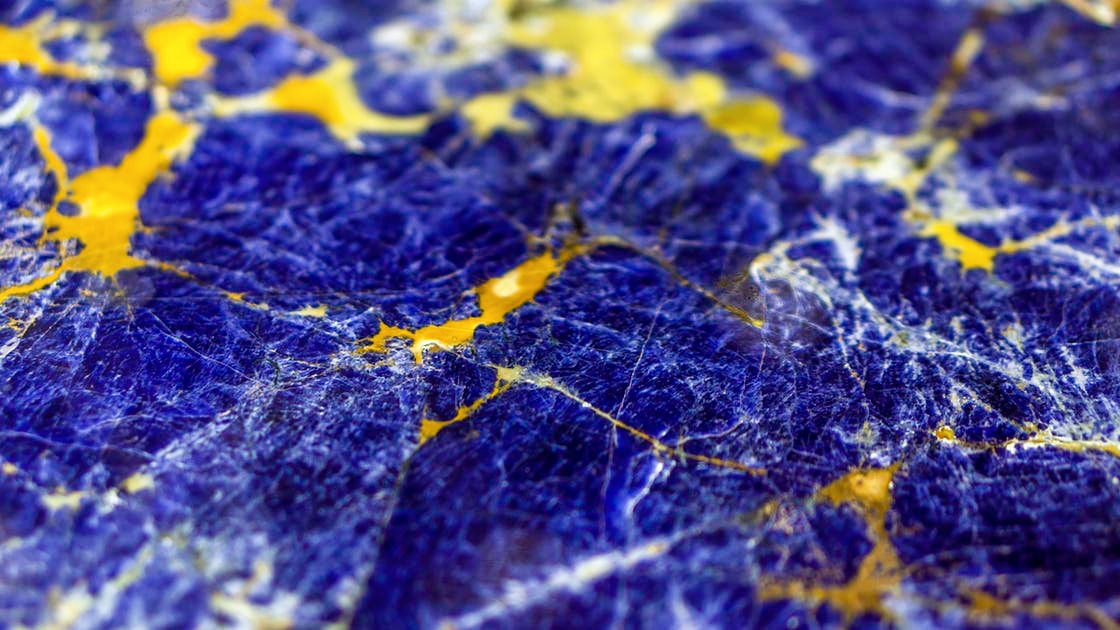
Have you ever wondered about the secret behind the world’s most expensive color?
The natural blue pigment derived from the rare lapis lazuli is considered one of the rarest and most valuable colors in the art world.
While the price may seem astonishing—$450 for a small 250-milliliter bottle—this cost is justified by its rarity and the complexity of its production.
* What makes this unique color so rare and valuable?
The natural blue pigment, primarily sourced from Afghanistan, has historically symbolized wealth and uniqueness.
In the Middle Ages, this pigment was more expensive than gold and was regarded as one of the costliest materials, exclusively used by nobility and skilled artists.
Today, ultramarine pigment made from lapis lazuli sells for over $60 per ounce, making it significantly pricier than conventional colors.
How is this unique color extracted and transformed into a usable pigment for artworks?
The process begins in the rugged mines of Afghanistan, where lapis lazuli is extracted.
This intricate process involves repeatedly grinding the stone, followed by a chemical treatment to remove other minerals that could affect the color.
Pine resins are then added to the mixture to form small beads of lapis lazuli.
Afterward, the mixture is left to dry for several days before being ground and washed multiple times to intensify the ultramarine color.
This complex procedure creates the natural blue pigment, which can significantly enhance the material value of artworks.
According to color maker Mohammad Irfan, who operates a factory in Canada, using this pigment in paintings can dramatically increase their value—from $100 to $5,000—since many art enthusiasts believe that works containing this color are more original and valuable.
Although the natural blue pigment is not essential for everyday use, museums and art collectors rely on it to add immense artistic and financial value to their works.
This pigment is regarded as a genuine investment in the art world, symbolizing wealth and uniqueness, making it popular among both artists and collectors.
In conclusion, this rare pigment illustrates how a simple piece of nature—the lapis lazuli—can transform into a valuable element in the art world, making the natural blue pigment not just a color but a symbol of worth and excellence.