Last Chance to See January's Supermoon Before November 2026
January 1, 2026147 AufrufeLesezeit: 2 Minuten
Schriftgröße
16
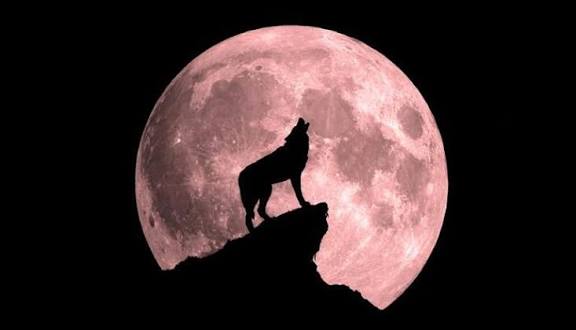
The world is preparing to witness the final supermoon in a series that began in October, as the moon reaches its full phase near Earth in the early morning of January 3. This proximity enhances its visibility and brightness compared to other months of the year.
This remarkable astronomical event allows enthusiasts to observe the moon appearing larger and brighter than usual, with this opportunity not returning until November 2026.
What is a supermoon?
A supermoon occurs when the moon comes close to Earth in its elliptical orbit, making it appear larger and brighter than normal.
Since October, astronomers have documented three supermoons, with January's full moon marking the last in this cycle.
The moon's apparent size is about 14% larger and its brightness can increase by up to 30% compared to its farthest point from Earth, creating a striking visual effect, especially in open and snow-covered areas.
Best Viewing Times
For optimal viewing, it is recommended to observe the moon on the night of January 2 into January 3, as it rises on the eastern horizon before moving west with the sunrise.
Its brightness peaks at 5:03 AM Eastern Time, a time when many areas remain dark, providing an excellent opportunity to witness the phenomenon.
Extended Viewing Opportunities
If the peak viewing time is missed, the moon will retain over 90% of its brightness from December 31 to January 5, offering additional chances for amateur astronomers to enjoy the sight.
Viewing Without Special Equipment
Observing the supermoon does not require special equipment, as it is the brightest object in the night sky. However, using binoculars or telescopes can enhance the viewing experience by revealing details of the moon's surface and allowing for clearer images.