Study Identifies Early Warning Signs of Dementia Linked to Depression in Middle Age
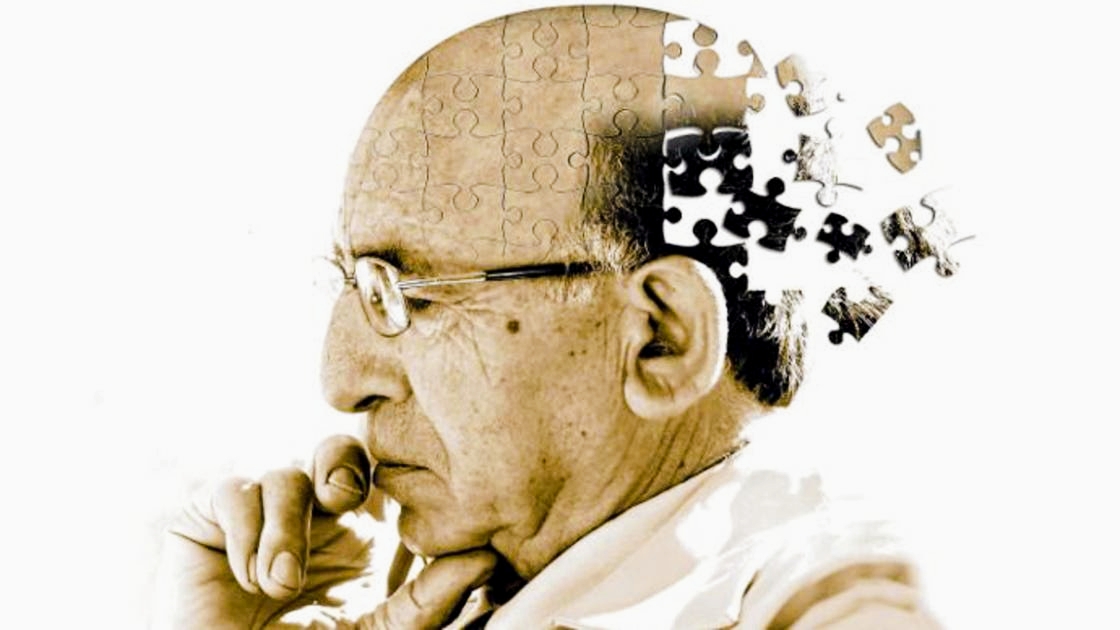
A recent study indicates that specific symptoms of depression in middle age may serve as early warning signs for a potential risk of dementia, paving the way for preventive measures well in advance of the disease's onset.
The research, led by a team from University College London and published on Science Alert, identified six distinct depressive symptoms that may correlate with an increased risk of dementia later in life.
* Key Findings:
• Data from 5,811 participants in a longitudinal study in the UK were analyzed, all aged between 45 and 69 years and initially free from dementia when recruited between 1997 and 1999.
• Participants were followed for nearly twenty years, with health diagnostic records used up to 2023.
• 10.1% of participants developed dementia during this period.
• Individuals reporting five or more depressive symptoms in middle age had a 27% higher risk of developing dementia.
* The Six Symptoms Associated with Dementia:
1 _ Loss of self-confidence
2 _Difficulty managing problems
3 _Lack of affection towards others
4 _Constant tension
5 _Concentration difficulties
6 _Dissatisfaction with task completion
Notably, loss of self-confidence and difficulties in problem-solving were found to significantly increase dementia risk by approximately 50% each. In contrast, symptoms such as sleep disturbances or suicidal thoughts did not show a long-term association with dementia.
Epidemiologist Philip Frank stated:
"Our findings indicate that the risk for dementia is linked to a range of depressive symptoms, rather than depression as a whole. Recognizing these patterns in middle age could facilitate early prevention."
Mika Kivimäki, also an epidemiologist, added:
"Depression manifests in various ways and can overlap with anxiety. These subtle patterns may reveal individuals most vulnerable to neurological disorders, bringing us closer to targeted and effective treatments."
While the findings are significant, the research team acknowledges that the study was conducted among relatively healthy civil servants in the UK, which may limit the generalizability of the results to the broader population.
Nevertheless, this study represents an important step in understanding the relationship between depression and dementia and exploring preventive strategies.