Understanding Why Some Animals Consume Their Offspring
January 9, 2026240 AufrufeLesezeit: 2 Minuten
Schriftgröße
16
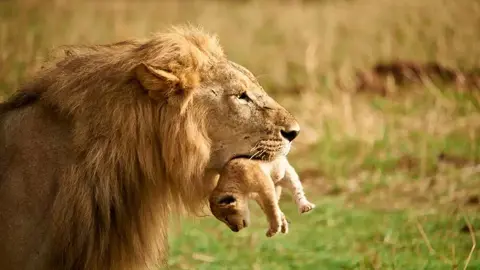
While it may seem shocking that some animals eat their own offspring, this behavior is scientifically documented across hundreds of species, including fish, insects, mammals, and even some pets.
Behavioral ecologists assert that this phenomenon is not merely random or an instinctual failure, but rather a part of complex evolutionary strategies aimed at enhancing survival rates for both the stronger offspring and the parents themselves.
According to behavioral ecologist Anish Bose from the Swedish University of Agricultural Sciences, the act of consuming offspring serves as a "fundamental mechanism" in many species, with over 1,500 documented cases. Interestingly, some of these animals combine attentive care for their young with the consumption of some under certain circumstances.
Researchers explain that reproduction represents a biological investment that varies among species. Animals with slower reproductive rates, such as elephants and whales, rarely consume their young because they invest significant effort and resources into raising each offspring. In contrast, rapidly reproducing species that produce large numbers of offspring tend to "sacrifice" some, particularly in times of food scarcity or heightened competition, to ensure the survival of the stronger and more viable individuals.
Studies indicate that certain insects and fish may consume part of their brood to reduce overcrowding and improve growth prospects, while some mammals will eat weak or stillborn offspring to reclaim energy. In other instances, this behavior is linked to high stress or uncertainty regarding genetic lineage.
Despite advancements in understanding this phenomenon, many questions remain about its evolution and underlying causes. Scientists agree that, while it may appear cruel, the act of consuming young reflects a delicate balance between instinct and adaptation to harsh environmental conditions, where survival often favors the strongest—even within familial units.