Severe Weather Alert Issued in Egypt: Waves Reach 5.5 Meters in the Mediterranean
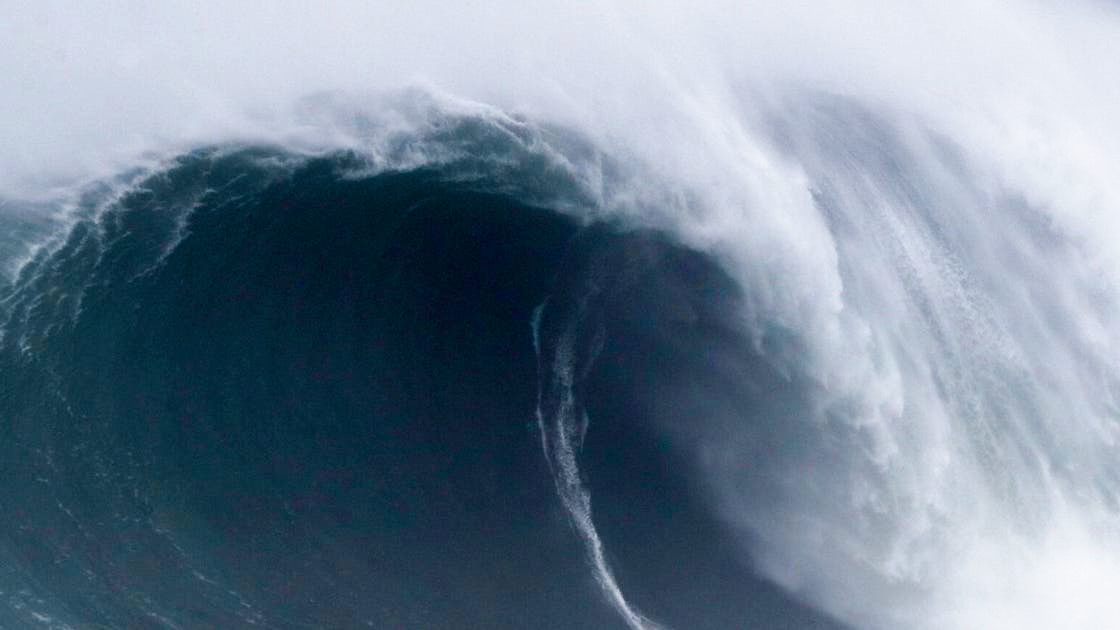
Egypt is facing turbulent weather conditions as the Egyptian Meteorological Authority has issued a severe weather alert due to a deep low-pressure system affecting the region. This has led to significant disruptions in maritime activities along the Mediterranean coast, with wave heights reaching dangerous levels of up to 5.5 meters.
The authority confirmed in an official statement that the disturbances will begin tomorrow at 2 AM and are expected to last until 10 AM on Saturday. All Mediterranean coasts will be impacted, while conditions in the Red Sea are expected to be less severe, with wave heights between 2 and 3 meters.
* Strong Winds and High Waves
Dr. Manar Ghanem, a spokesperson for the Egyptian Meteorological Authority, explained that the alert is due to the presence of a deep low-pressure system in the upper atmosphere, combined with a surface low-pressure area in the Mediterranean. This situation is causing strong winds across most parts of the country.
Wind speeds are expected to range between 50 and 70 kilometers per hour, which will significantly affect sea conditions, causing waves to rise between 3.5 and 5.5 meters. The peak of the disturbance is anticipated to occur overnight from Friday to Saturday, continuing into Saturday morning.
While the authority has not yet made a decision to suspend maritime activities, it has emphasized the need for extreme caution and advised against any maritime operations during this period. Continuous updates on weather reports should be monitored, and the possibility of halting maritime activities may be considered if conditions worsen.
* Navigational Safety Recommendations
Captain Mohamed Nagib, a maritime transport and logistics specialist, provided several crucial recommendations for managing the maritime unrest, stressing that safety should be the top priority.
He outlined the key safety tips as follows:
• Regularly inspect boats or ships and ensure safety equipment is operational.
• Continuously monitor maritime weather forecasts.
• Operate at safe speeds and be vigilant for potential hazards.
• Develop a clear emergency plan and train the crew to handle sudden changes.
He also highlighted the importance of checking engine and control systems, as well as inspecting life jackets and lifeboats before departure.
Captain Nagib concluded his advice by stressing that fishermen and recreational boaters should refrain from sailing during these turbulent weather conditions and adhere strictly to the instructions of the relevant authorities to ensure safety, avoiding swimming or sailing under extreme weather conditions.