Discovery of Byzantine Monastic Complex in Sohag, Egypt
January 6, 2026193 AufrufeLesezeit: 2 Minuten
Schriftgröße
16
Egyptian authorities have announced a significant archaeological discovery in Sohag Province, revealing a complete monastic complex from the Byzantine era. This site offers a rare glimpse into the lives of monks in Upper Egypt approximately 1,600 years ago, showcasing places of worship, dining utensils, and inscriptions.
The Supreme Council of Antiquities noted that this discovery is located in the village of Baldwir in the Tami district, reflecting the richness and diversity of Egypt's cultural heritage over the centuries. It also represents an important contribution to historical research, drawing visitors and scholars interested in the histories of civilizations and religions.
Details of the Monastic Complex
Dr. Mohamed Ismail Khaled, Secretary General of the Supreme Council of Antiquities, explained that the excavation results reveal a fully organized monastic community. He emphasized that the discovered structures illustrate the lifestyle of monks during this period.
The excavations include:
- Rectangular buildings made of mud bricks, ranging from 8 × 7 meters to 14 × 8 meters, some of which contain prayer rooms and small chambers with vaulted ceilings.
- Walls preserving remnants of plaster layers, along with niches and wall niches.
- Southern caves and specific entrances, as well as small round structures likely used as dining areas for the monks.
- Basins made of red bricks and limestone for water storage or industrial purposes.
- The main church of the complex, measuring 14 × 10 meters, consisting of a nave and altar.
Inscriptions and daily life artifacts reveal secrets of monastic life
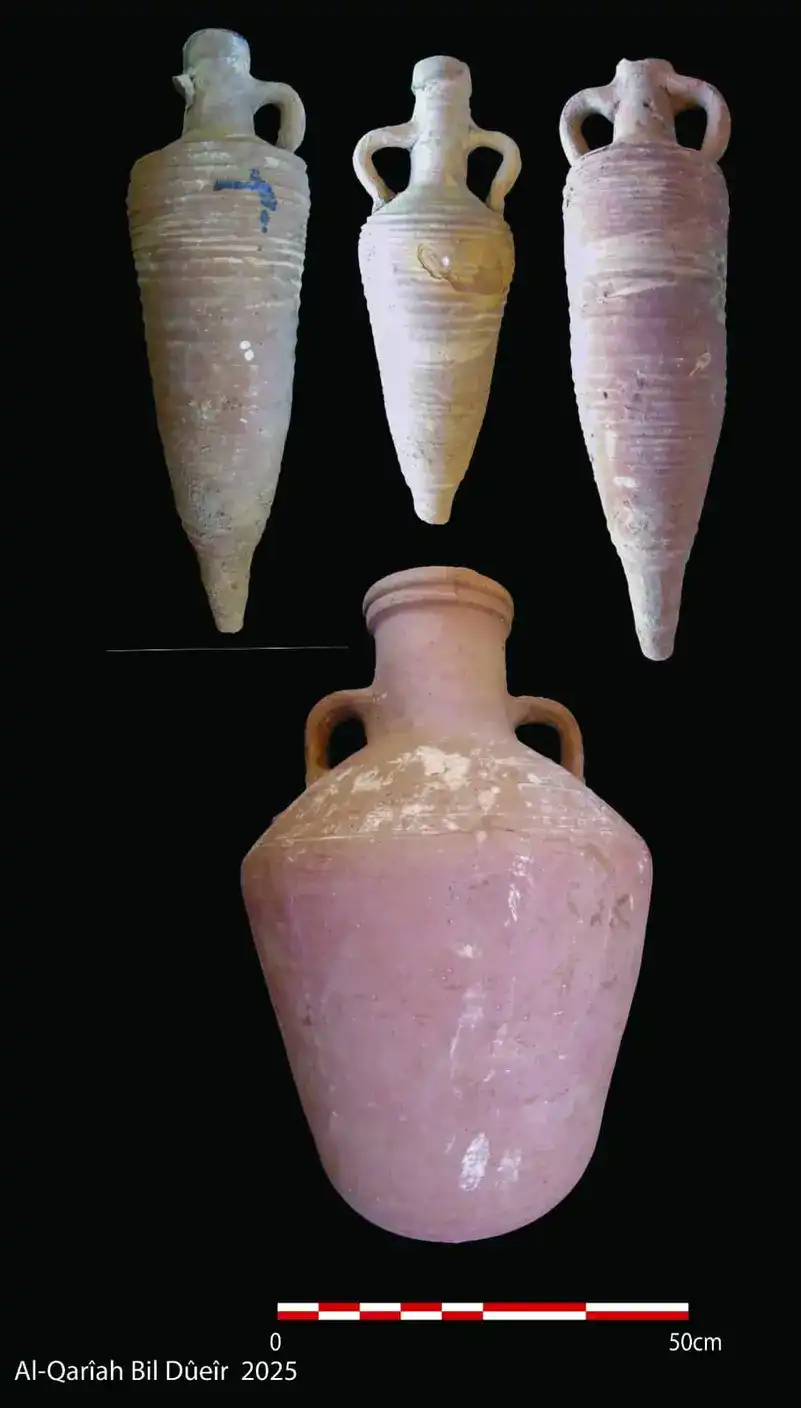
The excavations uncovered inscriptions in Coptic and other writings that may include letters, numbers, and names, alongside daily life utensils, stone fragments, and stone tablets engraved with Coptic script, reflecting the religious and architectural character of the monastic complex.
Cultural Heritage and Tourist Appeal
This discovery represents a remarkable addition to Egypt's archaeological heritage, enriching knowledge about monasticism in ancient Egypt and attracting researchers and tourists interested in the histories of civilizations and religions. It reinforces Upper Egypt's status as a cultural center through the ages.