Global Economist Mohamed El-Erian Warns of the End of Traditional Globalization and the Rise of Fragmentation
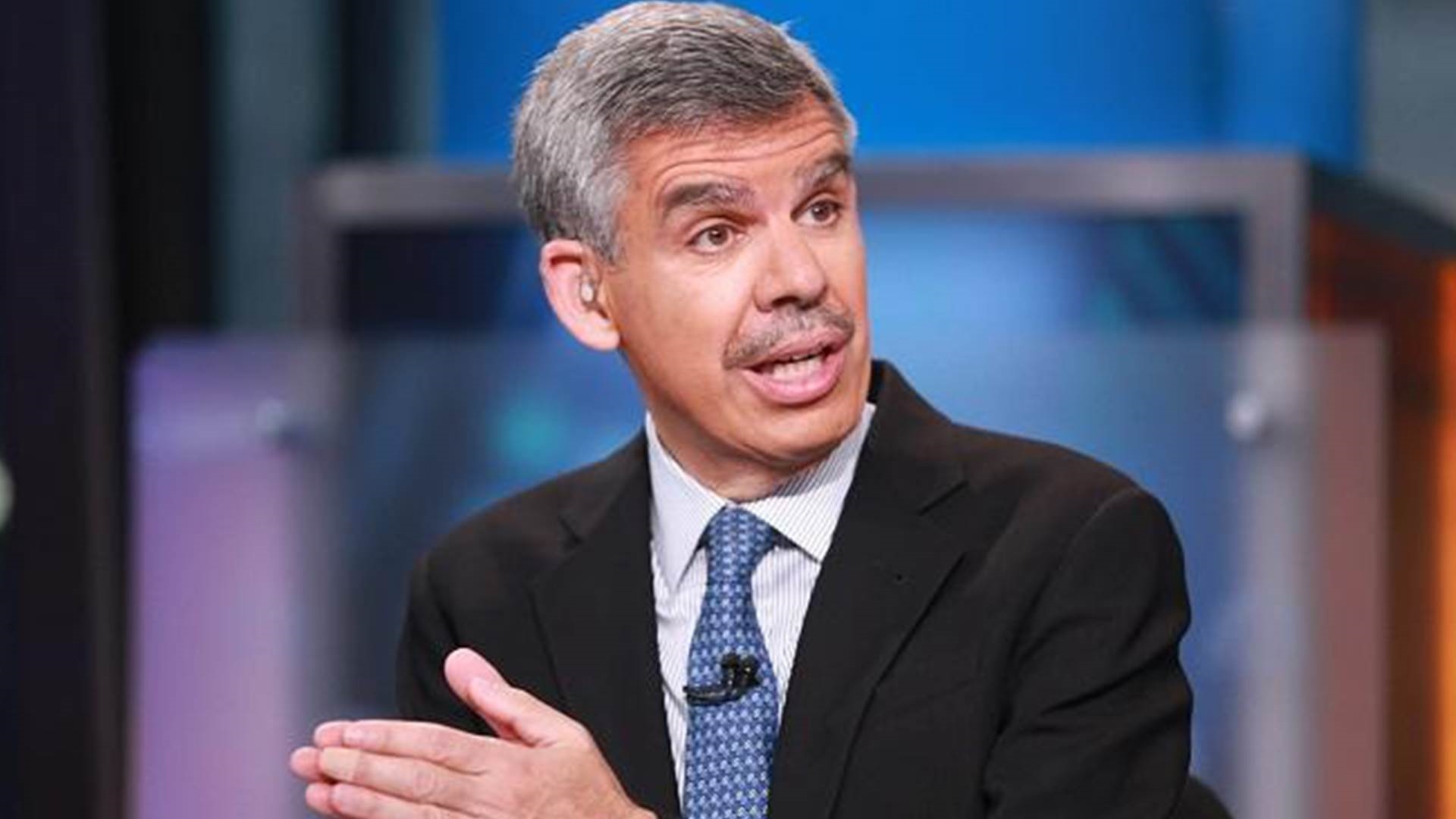
Dr. Mohamed El-Erian, chief economist at Allianz and a prominent global economic expert, called for a strategic realignment among nations focused on resilience and adaptability to confront profound global changes. He cautioned that the international economic landscape is no longer operating under its traditional rules.
This statement was made during the "MOMENTUM 2025" conference on development finance in Riyadh, themed "Leading Development Change." El-Erian pointed out that traditional globalization is coming to an end, giving way to a new phase he described as "fragmentation." He emphasized that the world is not collapsing under its own rules but is evolving to higher levels, prompting a reevaluation of economic policies.
El-Erian noted that there are significant reasons to anticipate the unexpected, particularly the rapid technological advancements that have become a key driver of change. He highlighted artificial intelligence as a primary force behind current economic transformations, alongside advancements in technical sciences and quantum computing, which are expected to have a substantial impact over the next decade.
Regarding the two main narratives shaping the current landscape, El-Erian observed that economies at the local level no longer operate under traditional patterns. Instead, they require regulatory liberalization and eased investment conditions in a world where trade and investments are used as leverage. Globally, we have shifted from an era of absolute globalization to one characterized by fragmentation, which former British Prime Minister Gordon Brown termed "manageable globalization."
El-Erian stressed that these rapid changes, both geopolitical and technological, compel major countries, including Saudi Arabia, to focus on economic diversification, enhancing human capital, and investing in vital sectors to strengthen resilience.
He pointed out that success in this changing world requires three key characteristics: flexibility in handling shocks, resilience, and the ability to recover from challenges, as well as innovative thinking to reformulate strategies that align with the new reality.
In conclusion, El-Erian stated, "These traits will significantly aid local markets and enable economies to achieve the necessary transformations in a rapidly evolving world."