Health Experts Warn of Resurgence of Old Viruses by 2026
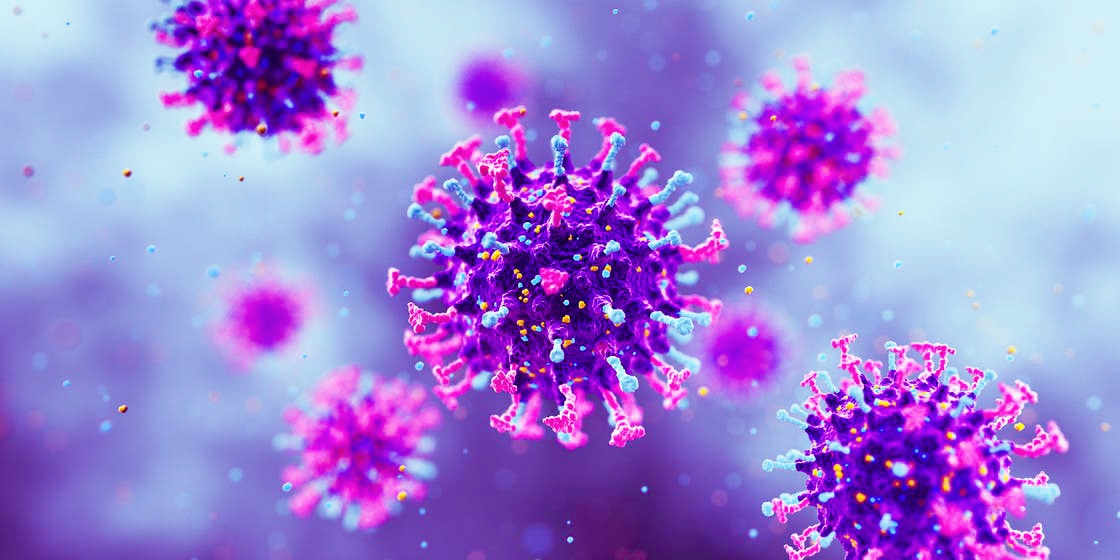
As we approach the year 2026, public health experts are cautioning that pandemic threats may not stem from entirely new viruses, but rather from old viruses that could re-emerge with enhanced transmissibility. Factors such as climate change, increased travel, and greater interaction between humans and animals are driving these concerns.
Infectious disease specialists stress that the world has become more vulnerable to sudden outbreaks, as many countries still exhibit significant gaps in their health surveillance and response systems. This underscores the critical need for global vigilance.
* Key Viral Threats for 2026
1 _ Influenza A (notably H5N1 – Avian Influenza)
This virus is under close scrutiny by scientists due to its high mutation rate and ability to infect various species.
• Recent observations have shown the virus transitioning from birds to mammals, including cattle in the United States.
• This raises concerns about the virus adapting to spread between humans, a key factor in the emergence of a new global pandemic.
• Current seasonal vaccines do not provide adequate protection against this strain, highlighting the need for early preparedness.
2 _ Mpox Virus (formerly known as Monkeypox)
This disease is no longer confined to Africa and has established a presence in several countries, with documented cases of human-to-human transmission.
• While infections have decreased since the peak of the outbreak, the emergence of a more severe strain in some African nations and cases outside the continent without travel history raises the risk of new waves in 2026.
3 _ Urobochi Virus, transmitted by mosquitoes
This lesser-known virus poses a silent threat.
• Symptoms include fever, headaches, and muscle pain, but it spreads rapidly through mosquitoes and small insects that can be difficult to detect.
• Its range has expanded over the past two decades in Latin America and the Caribbean, with potential to reach new areas due to climate change.
* Additional Threats Demand Caution
• The ongoing presence of the Chikungunya virus in various regions.
• The resurgence of measles due to declining vaccination rates.
• Risks of increased HIV infections due to disruptions in health support programs in certain countries.
* Global Vigilance is Essential
Experts emphasize that early preparation, strengthening vaccination programs, and developing pandemic warning systems are fundamental to preventing comprehensive health crises.
They stress that prevention is no longer just a local issue but a shared global responsibility in an interconnected world where viruses can spread as swiftly as human movement.