Trump Warns Europe of Existential Threats from Immigration and Energy Policies
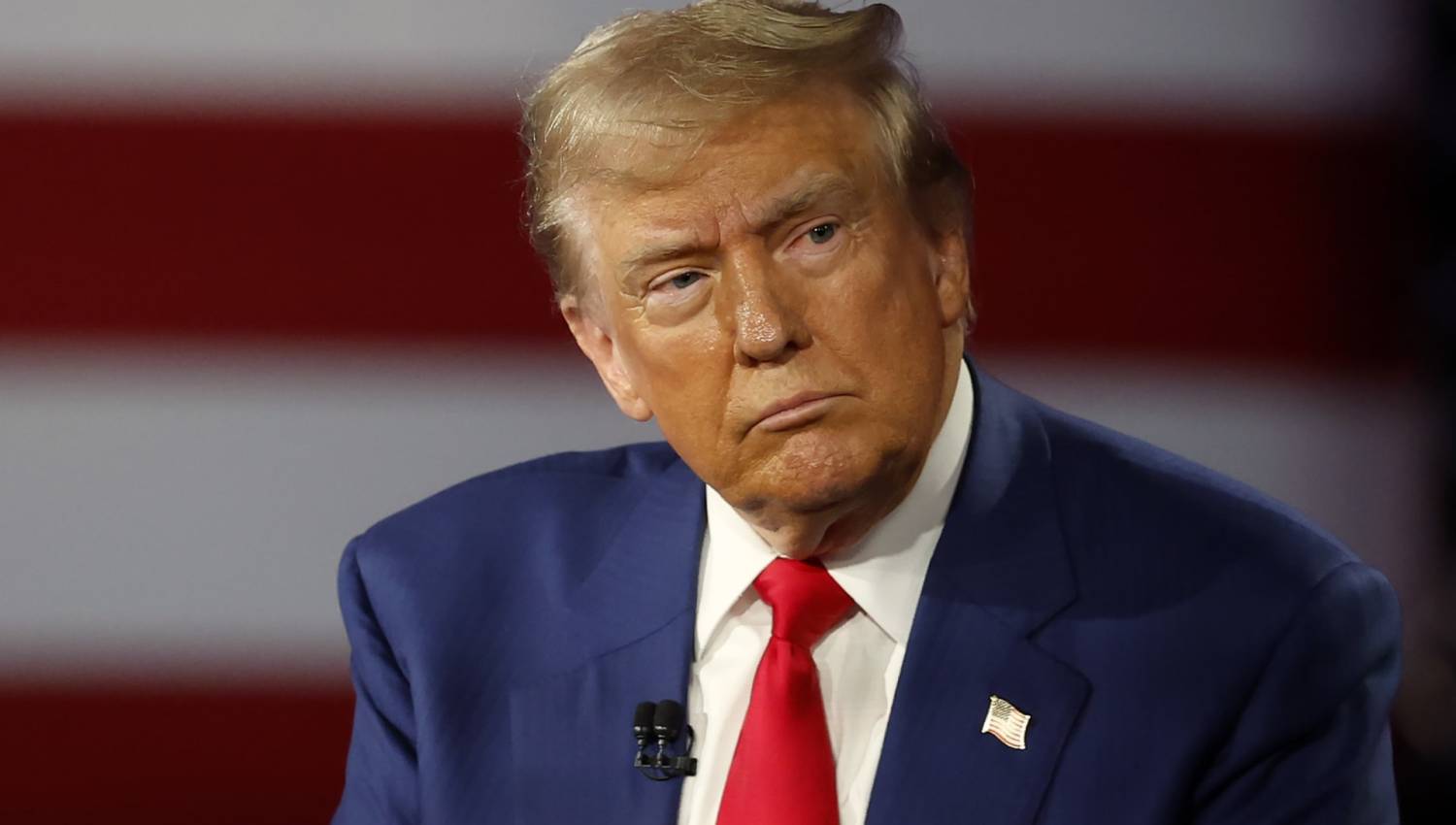
Former President Donald Trump has reiterated his strong warnings to Europe, asserting that its immigration and energy policies pose an existential threat to the continent. This statement was made during an impassioned speech in Pennsylvania, where he took the opportunity to broadly criticize European partners.
Trump cautioned Europeans, stating, "They better be careful, as immigration and energy will destroy Europe." He claimed that current immigration policies are so detrimental that they are undermining "the beautiful Europe," adding, "I love Europe."
He expanded his criticisms to the United Kingdom, urging the British government to "increase North Sea oil production." Trump revealed that he advised new Prime Minister Keir Starmer to tap into this "great energy source," warning that failing to do so could have political repercussions, suggesting that Starmer "might not remain in office long if he does not act."
Additionally, Trump criticized the expansion of wind energy projects in Scotland, claiming that "it costs them a fortune."
These remarks were part of a speech that resembled a campaign rally, initially focusing on local American economic issues such as food prices, before shifting to a broader critique of European policies. Trump's critical stance towards Europe has been ongoing, having previously targeted countries like Germany earlier in the week.
These statements follow the release of a draft "national security strategy" by the Trump administration, intended for a potential second term, which has sparked significant backlash in European capitals.
The document, revealed last week, discussed a "perceived decline" in democracy and freedom of expression in Europe. It highlighted major challenges facing the continent, including "censorship of free speech and repression of political opposition, a significant drop in birth rates, and the loss of national identities and self-confidence."
The speech in Pennsylvania appears to publicly reflect the views outlined in the document, indicating a continuation of Trump's confrontational rhetoric towards traditional U.S. allies should he return to the White House.