Trump Revives Greenland Purchase Plan: Financial Incentives for Residents?
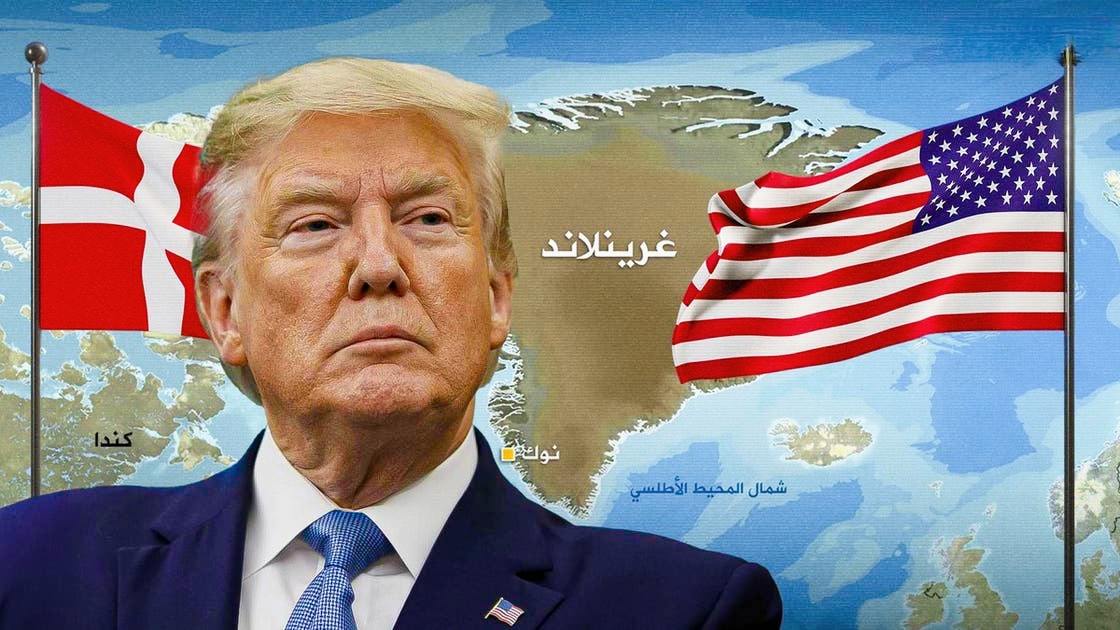
Sources revealed on Thursday, January 8, 2026, that the administration of President Donald Trump is considering an unprecedented approach to persuade the residents of Greenland to break away from Denmark and possibly join the United States by offering direct cash payments to individuals on the island.
According to anonymous sources, discussions within the U.S. administration, including at the White House, have focused on payment amounts ranging from $10,000 to $100,000 per person, although final details regarding the amounts and payment methods have yet to be determined.
This proposal is viewed by observers as a practical attempt to overcome political hurdles that have hindered previous U.S. efforts to "purchase Greenland," an Arctic territory with a population of approximately 57,000, while officials in Copenhagen and Greenland maintain that the island is not for sale.
The U.S. moves have sparked strong reactions in Europe. Kaja Kallas, the European Union's foreign policy chief, stated that the EU is discussing how to respond if the American threat to acquire Greenland proves serious and credible.
She added, during a press conference in Cairo with Egyptian Foreign Minister Badr Abdel Atti, that "the messages we are receiving regarding Greenland are extremely concerning."
President Donald Trump has reiterated the necessity for the U.S. to secure Greenland for national security and strategic positioning in the Arctic, a region whose military and economic significance is increasing amid rising international competition.
Greenland enjoys significant autonomy but is officially a territory of the Kingdom of Denmark, which is a member of NATO and the European Union.
In this context, Danish Prime Minister Mette Frederiksen previously warned that any hostile American actions towards Greenland could jeopardize NATO and the global security framework established after World War II.
Amid offers of cash and concerns over sovereignty, Greenland remains at the center of a growing geopolitical conflict, titled:
Who Controls the Keys to the Arctic?