Trump Announces Transfer of Venezuelan Oil to the U.S.
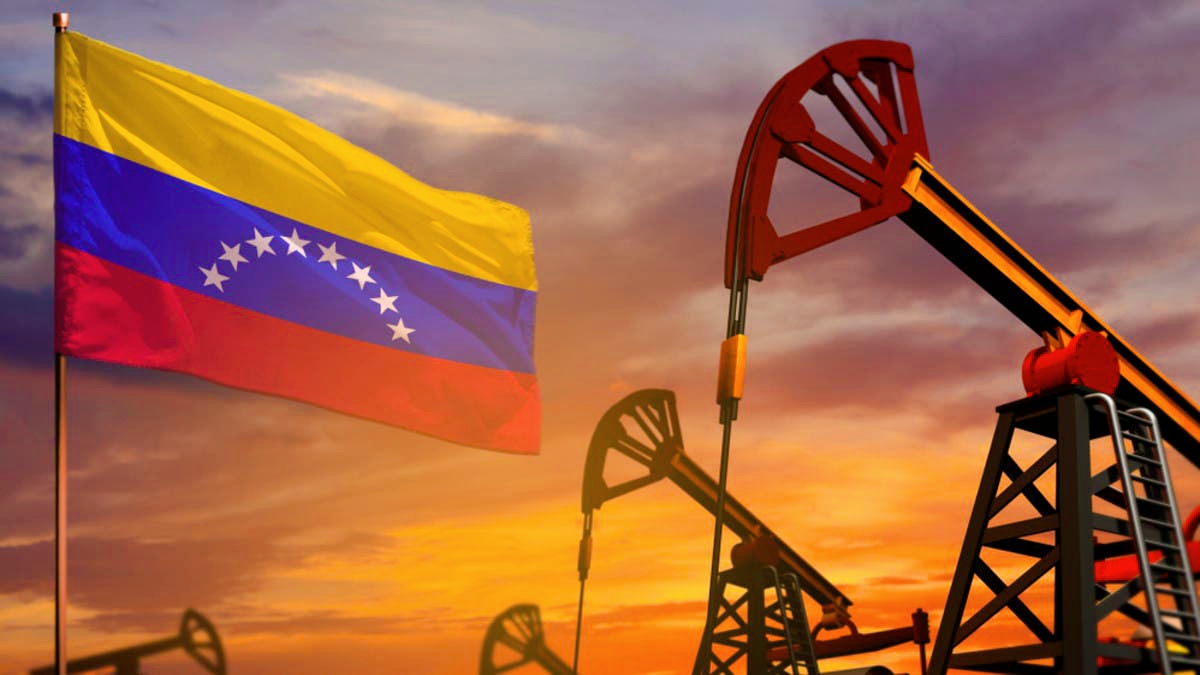
In a significant development reflecting unprecedented tensions between Washington and Caracas, President Donald Trump announced that the United States would receive up to 50million barrels of high-quality Venezuelan oil. He asserted that the revenues from this oil would be managed directly under his administration.
The announcement was made Wednesday morning via a post on his platform "Truth Social," following reports of ongoing negotiations between U.S. and Venezuelan officials regarding the export of sanctioned Venezuelan crude oil to the United States.
Trump specified that interim Venezuelan authorities would deliver between 30 and 50million barrels, noting that the oil would be sold at global market prices, with the U.S. administration overseeing the financial proceeds.
He added that the funds would be managed "in a way that ensures their use benefits both the American and Venezuelan people," indicating a direct U.S. role in managing one of the Latin American state's most vital resources.
* "Reforming Venezuela First" and Elections Later
In earlier remarks, Trump emphasized that his administration does not prioritize Venezuelan elections at this time, stating that the focus is on "reforming Venezuela" for now.
He mentioned that Washington is only engaging with officials who have recently taken office, referring to interim President Delcy Rodríguez, adding that elections "will take place in due time."
While asserting that he does not wish to interfere in the political affairs of other nations, as seen in Iraq and Afghanistan in the early 2000s, Trump has shown a clear interest in Venezuela's vast oil wealth, which is considered among the largest in the world in terms of proven crude oil reserves, according to Agence France-Presse.
* Caracas Responds: "Venezuela is Not Governed from Abroad"
In response, interim President Delcy Rodríguez firmly reacted to the American statements, asserting early in her term that "no outside agent governs Venezuela."
This statement followed a swift U.S. military operation that led to the arrest of President Nicolás Maduro and the deaths of 55 members of Venezuelan and Cuban forces.
In reaction to Trump’s remarks, which suggested that the U.S. is currently managing affairs in Venezuela and that Rodríguez "would pay a high price if she did not do the right thing," she emphasized that "the Venezuelan government is the only entity managing the country’s affairs."
* Mourning and Threat of Resistance
In a televised address, Rodríguez stated that the Venezuelan people remain steadfast and ready to defend their homeland, announcing a week of mourning for the victims of the American attack.
Rodríguez, 56, is a loyal figure to Maduro and was sworn in as interim president on Monday, leading a government that still includes influential personalities such as hardline Interior Minister Diosdado Cabello and powerful Defense Minister Vladimir Padrino López.
* Constitutional Timeline and Potential Early Elections
According to Venezuelan law, Rodríguez's interim mandate lasts 90 days, with the possibility of a three-month extension by the National Assembly.
If a permanent vacancy of the presidency is officially declared—something that has not yet occurred—the law mandates that presidential elections must be called within 30 days.
In this rapidly evolving context, Venezuela finds itself at a crucial crossroads, balancing the struggle for sovereignty and resources against external interventions that place its oil wealth at the center of a highly complex political equation.