Extreme Climate Variability: January 2026 Sees Record Cold in Europe and Disasters in the Southern Hemisphere
February 10, 202666 VuesTemps de lecture: 2 minutes
Taille de police
16
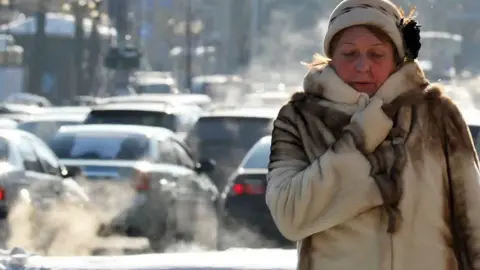
In January 2026, Europe experienced an unprecedented cold snap, marking the coldest month since 2010, according to data from the European Union's Copernicus Climate Change Service.
The average temperature across Europe plummeted to around -2.34 degrees Celsius, driven by a wavering polar jet stream that directed extremely cold air masses toward the continent, resulting in record low temperatures.
Heat Waves, Fires, and Floods in the Southern Hemisphere
While Europe faced severe cold, the Southern Hemisphere encountered drastically different weather conditions. Regions including Australia, Chile, and Patagonia reported unprecedented heat waves, leading to widespread wildfires. Countries such as South Africa and Mozambique experienced devastating floods, highlighting stark contrasts in global weather patterns during the same period.
Global Temperature Rise Despite Regional Cold
Globally, data indicated that the Earth's average surface temperature reached 12.95 degrees Celsius, approximately 0.51 degrees above the average for the period 1991-2020, and an increase of 1.47 degrees since pre-industrial levels. This reflects the ongoing trend of global warming, despite regional cold spells.
Areas Affected by Intense Cold and Unusual Heat
The cold wave impacted extensive areas in Finland, Scandinavia, the Baltic States, Eastern Europe, and Siberia, as well as parts of the central and eastern United States. Conversely, above-normal temperatures were recorded in the Canadian Arctic, Greenland, far eastern Russia, southern South America, much of Australia, and the Antarctic continent.
Heavy Rain and Flooding Disrupt Infrastructure and Agriculture
Large portions of western, southern, and eastern Europe, including the United Kingdom, experienced above-average rainfall during the same month, leading to flooding that damaged infrastructure and agricultural sectors. In contrast, drought conditions prevailed in central Europe, parts of the northwestern United States, and certain regions of China, Australia, and South America outside tropical areas.
Warnings on the Persistence of Climate Extremes
Samantha Burgess, a climate strategy lead at the European Centre for Medium-Range Weather Forecasts, emphasized that the events of January 2026 exemplify the climate system's capacity to produce extreme and varied phenomena simultaneously. She stressed the importance of enhancing adaptation and resilience plans in response to rapid climate change.
Monitoring Polar Ice as an Indicator of Climate Change
The report concluded by underscoring the need to continue monitoring changes in polar sea ice as a key indicator of global climate transformations, as evidence of human activity's impact on accelerating warming and climate extremes continues to mount.