Protests Erupt in Iran Over Rising Living Costs Amid Government Tensions
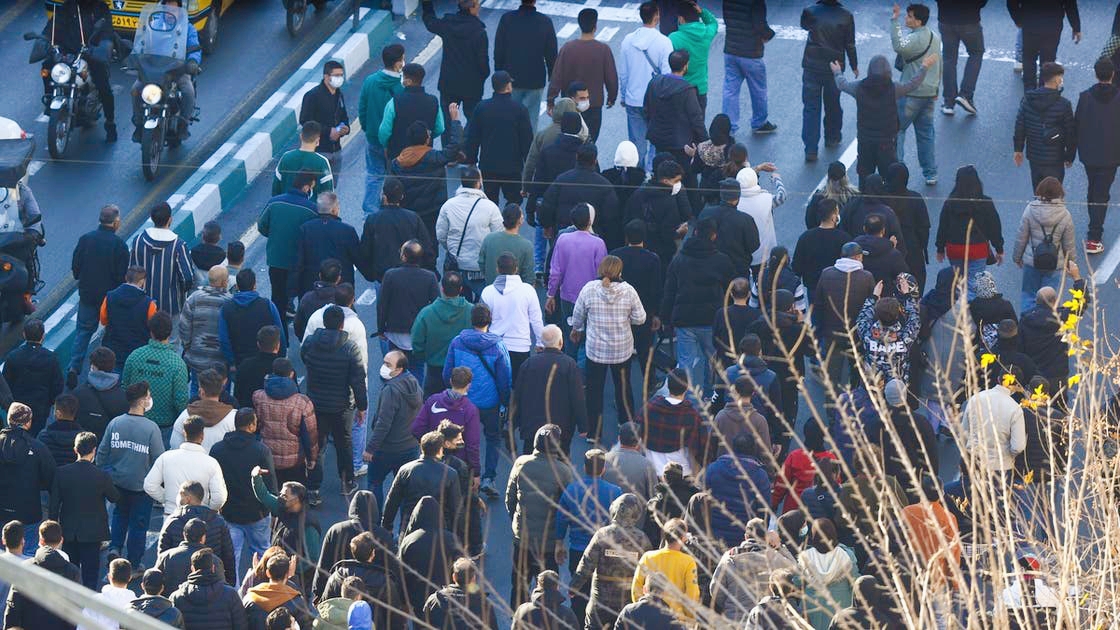
On Wednesday evening, an attack occurred at a government building in Fasa, southern Iran, coinciding with the fourth day of protests against rising living costs and worsening economic conditions.
The judicial website "Mizan" reported that "the main door of the city governor's office was damaged during an assault by several individuals," but did not provide further details about the incident or its connection to the protests.
Since Sunday, a spontaneous protest movement has emerged in Iran, beginning among merchants in Tehran and expanding to numerous universities, with increasing calls for economic improvements.
Mohammad Reza Taghi Dokht, the vice president of Tehran University, stated that four students were arrested during the protests but were released by Tuesday evening.
* Legal Warning Against Disrupting Security
Iran's Attorney General, Mohammad Mohammadi Azad, acknowledged that "peaceful protests in defense of livelihoods are understandable," but cautioned against any attempts to "exploit protests to disrupt security or damage public property or execute foreign-prepared scenarios," emphasizing that any violations would face strict legal repercussions.
In a controversial move, the Israeli intelligence service "Mossad" called on Iranians via the platform "X" to intensify their social movement, expressing support on the ground, while Iran continuously accuses Israel of sabotage attempts against its nuclear facilities and assassinations of prominent figures.
* Protests for Basic Needs
The protests began in Tehran's largest mobile phone markets due to soaring inflation, which has exceeded 10%, and the Iranian rial has lost more than a third of its value against the dollar over the past year.
The demonstrations have spread to dozens of cities, where schools, banks, and public institutions have partially closed due to freezing temperatures and energy rationing, while universities have shifted to online classes.
One protester told the newspaper "Etemad":
"Everyone here is struggling for a piece of bread," referring to the growing hardships caused by decades of international sanctions and rising prices of essential goods.
* Growing Concerns and Risk of Escalation
Iranians are increasingly worried about the possibility of renewed conflict with Israel following a twelve-day war in June and the reinstatement of United Nations sanctions against Iran in September due to its nuclear program.
The government has confirmed that combating inflation will be a priority for the new Central Bank governor, Abdolnasser Hemmati, but he faces significant challenges amid rising public discontent.
These protests occur despite being smaller than the wave of demonstrations that swept Iran in late 2022 following the death of young Mahsa Amini in custody, which resulted in hundreds of deaths, including security personnel; highlighting the sensitivity of public anger and its impact on security and stability.