Gold Prices Decline for Fourth Consecutive Session Amid Strong Dollar and Fed Rate Expectations
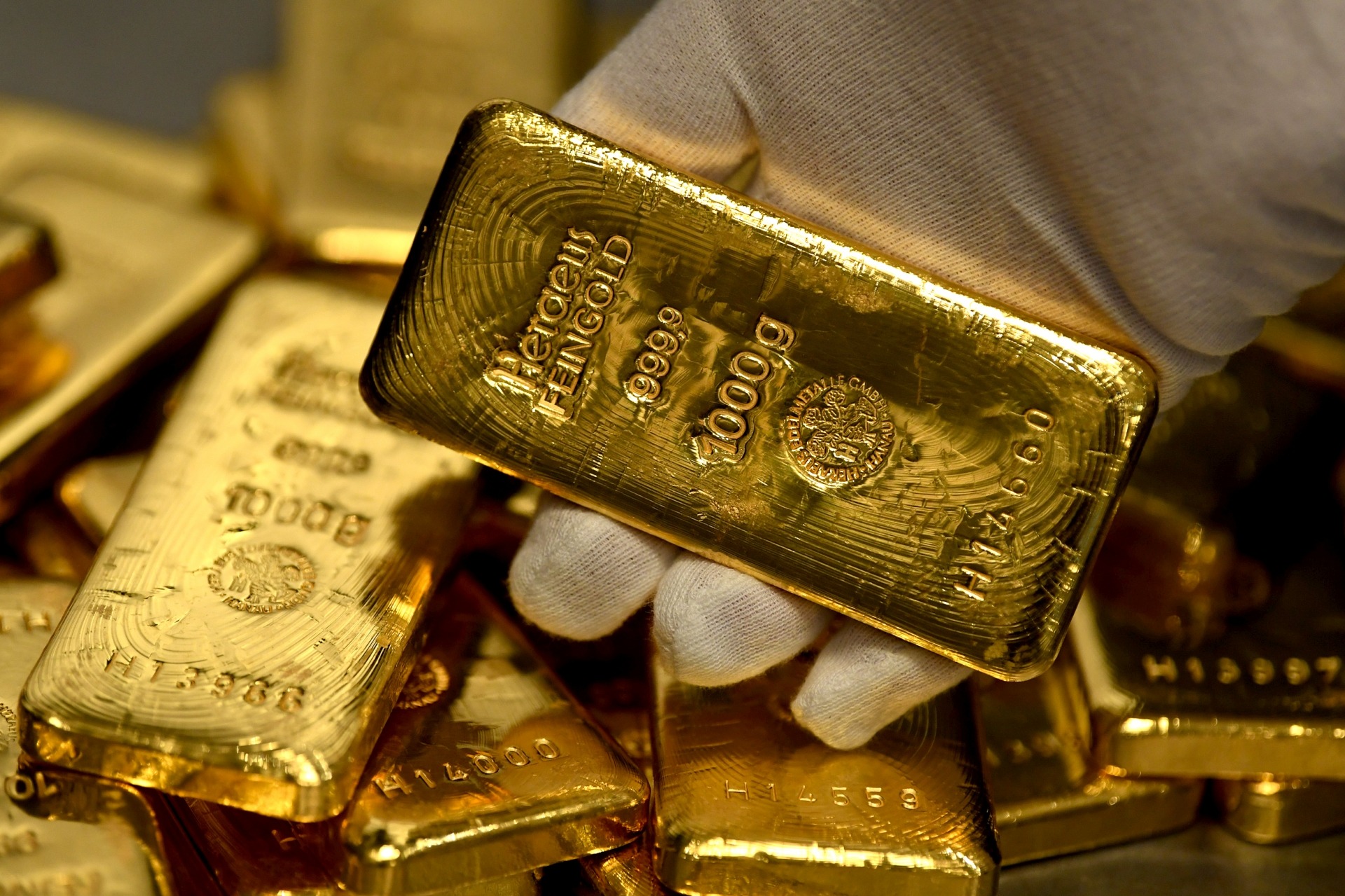
Gold prices declined for the fourth consecutive session on Tuesday, pressured by the strengthening U.S. dollar and rising expectations that the Federal Reserve will keep interest rates elevated at its upcoming meeting.
Specifically, spot gold dropped by 0.6% to settle at $4,019.87 per ounce. Meanwhile, U.S. gold futures for December delivery saw a more significant decline of 1.5%, reaching $4,011.30 per ounce.
The dollar remained stable against a basket of other currencies, following a notable rise in the previous session. A stronger dollar makes gold, priced in dollars, more expensive for holders of other currencies, thereby dampening demand.
Edward Meyer, an analyst at Marks, noted, "The dollar was slightly stronger today, and some speculative positions were reduced over the past week. The gold market is currently leaning towards consolidation."
The Federal Reserve's monetary policy outlook is a significant pressure factor for gold. The agreement reached by lawmakers last week to end the longest government shutdown in U.S. history allowed for the return of official economic data, which reduced expectations for another rate cut in December.
Fed Vice Chairman Philip Jefferson emphasized on Monday the need for the central bank to "proceed slowly" with any further interest rate cuts, a statement that further cooled expectations.
Investors are expected to focus this week on U.S. economic data, particularly the September non-farm payroll report due Thursday, for new indicators regarding the strength of the world's largest economy.
In this context, ANZ noted in a report that "forecasts for a Fed rate cut next month have dropped to 42% after being close to 100% just after the September decision, which has affected investor appetite for gold."
However, the report also provided a more optimistic medium- to long-term outlook, stating that "structural support factors, such as geopolitical uncertainty, concerns over U.S. debt sustainability, trends to reduce reliance on the dollar, and central bank purchases, should support investment demand in the medium to long term."
It is important to note that gold, as a non-yielding asset, typically performs better in low-interest-rate environments and during periods of economic uncertainty.
Simultaneously, other precious metals also experienced similar declines, with silver prices falling by 1.2% to $49.58 per ounce, platinum down 1% to $1,517.73, and palladium dropping 1.5% to $1,372.05.