Browser Notifications: A Hidden Threat to Your Data and How to Protect Your Device
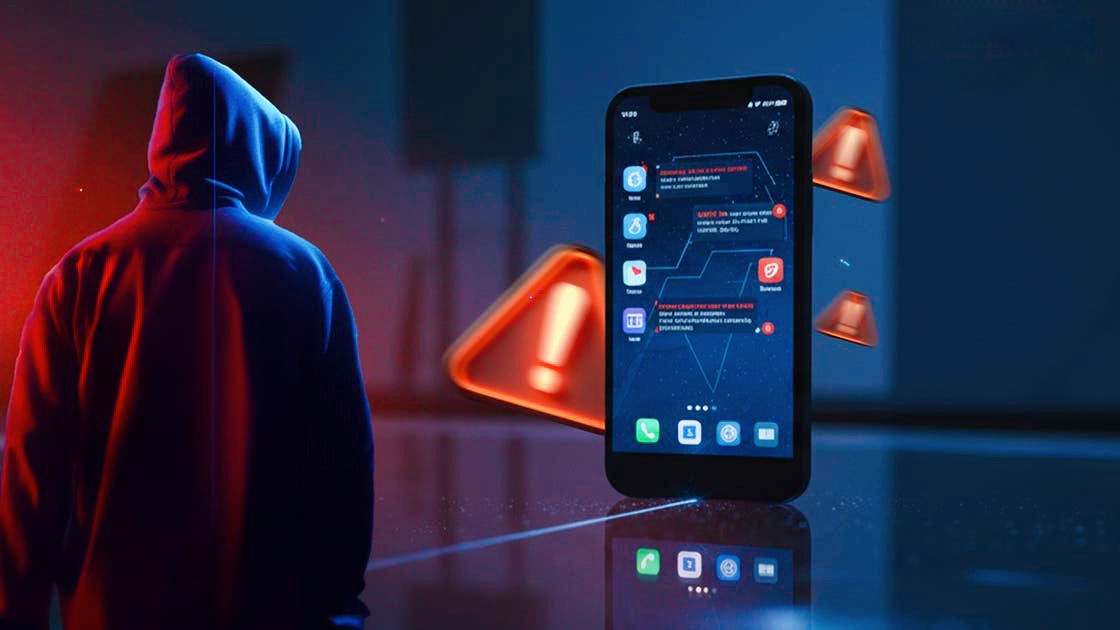
As cyberattacks surge at an unprecedented rate, digital risks extend beyond traditional viruses and malware. More subtle threats have emerged, operating under the guise of "legitimate" tools that many use daily. Among these are browser notifications, which have become a silent vulnerability for data theft and device espionage without the need to download any malware.
Cybersecurity experts warn that millions of users worldwide have fallen victim to this digital trickery, often by simply clicking the "Allow" button.
* A Small Window... and a Huge Risk
Dr. Mohamed Mohsen Ramadan, head of the Artificial Intelligence and Cybersecurity Unit at the Arab Center for Research and Studies, stated that the belief that danger only comes from downloading suspicious files or clicking on email links is outdated.
He adds:
"The new reality is more subtle; it’s a small window asking for permission, and a single click on (Allow) can open the door to hacking and fraud."
* Notifications Designed for Convenience... Now a Weapon
Ramadan explained that browser notifications were originally intended to enhance user experience, such as urgent alerts from news sites or notifications of deals from trusted stores. However, the fundamental issue is that they do not verify the identity of the site or its intentions.
Any site—even if unknown or newly created—can request permission. Once granted, messages begin to appear directly on the user's screen, even after the browser is closed, mimicking reliable system notifications. This is where the danger begins.
* More Dangerous than Pop-Ups
The cybersecurity expert emphasized that traditional pop-up windows, while risky, can be easily blocked by ad-blocking extensions. In contrast, push notifications are far more dangerous because they:
• display at the operating system level
• evade security software and antivirus programs
• reach users at any time without opening the site
• masquerade as official messages, fostering false trust
He asserts:
"You could be protected by the best software, yet the attack can still reach you directly."
* Scammers' Tricks: Studied Social Engineering
Dr. Ramadan revealed that scammers exploit human behavior rather than chance, employing well-known tricks such as:
1 _ The "Verify You Are Not a Robot" Trick: A deceptive interface resembling verification tests.
2 _ The "Allow to Watch Video" Trick: A false message claiming that video playback requires notification permissions.
3 _ The Deceptive Browser Update: An alert appearing official, requesting permission for updates, while real updates occur automatically.
4 _ Fake Prizes and Gifts: Messages stating "Congratulations, you have won a prize" aimed solely at hacking.
* The True Damage Begins After the Inconvenience
General Aboubakr Abdel Karim, former assistant to the Egyptian Minister of Interior for Media Relations, warned against underestimating the seriousness of these notifications, stating that considering them mere annoying ads is a "grave mistake."
He specified that the damages include:
• Device Drain: Excessive battery and memory consumption, leading to performance slowdowns.
• Phishing: Identity theft from banks, government entities, and transportation companies.
• Malware: Theft of passwords, activation of cameras and microphones, or file encryption with ransom demands.
* The Golden Rule of Protection
General Abdel Karim stressed that:
"The golden rule of protection is blocking... it is always the safest option."
He advised:
_ to review notification settings in the browser
_ to remove all suspicious sites
_ to completely disable notification requests
_ to allow notifications only from highly trusted sites
_ to ignore any notifications requesting personal data
_ to use extensions that block malicious content
_ to regularly update the browser
* In Summary
In a ruthless digital world, modern attacks may not require complex viruses or hacking techniques, but rather just a simple click... a seemingly innocent click that can open the door to data theft, personal spying, and complete control of your device.
Awareness is the first line of defense... and blocking is always security.