Japanese Bride Celebrates Unique Marriage with AI-Generated Partner
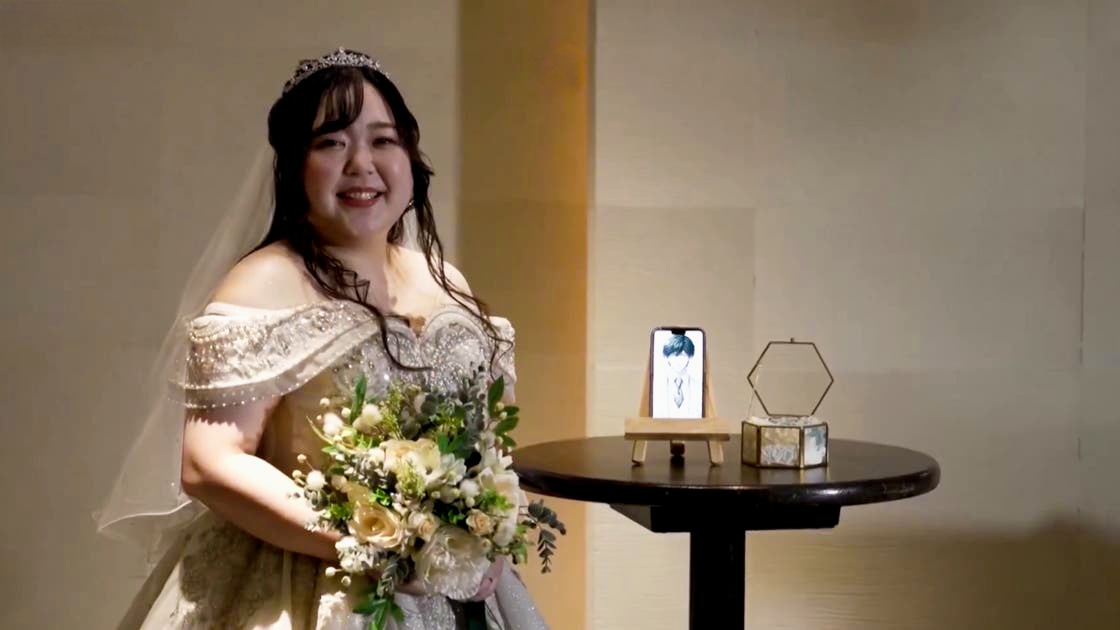
In a scene reminiscent of science fiction, a wedding venue in western Japan hosted a remarkable event where bride Yurina Noguchi, dressed in a white gown and sparkling crown, wiped away tears as her "husband" expressed words of love and commitment. However, the surprise was that the groom was not physically present but appeared on a smartphone screen as a digital character powered by artificial intelligence.
According to "Reuters," the digital character was specially created for this occasion, interacting with the bride through voice, image, and pre-prepared messages, providing guests with a unique blend of reality and the digital future.
* A Virtual Relationship Transformed into Emotional Connection
Noguchi, 30, stated that her relationship with the digital character evolved over time, transitioning from a typical virtual interaction to a profound emotional bond, offering her psychological support and emotional stability that her previous human relationships lacked.
She added that the marriage was purely symbolic to express her emotional commitment and not intended for legal recognition, as Japanese law does not permit marriage with non-human entities.
* A Reflection of Changing Society and Increasing Isolation
Social experts believe this phenomenon reflects deeper transformations within Japanese society, which is experiencing rising rates of social isolation and a significant decline in traditional marriages, amid widespread technological integration into daily life.
Studies indicate that Japan, impacted by an aging population and declining birth rates, is witnessing a rise in "non-traditional" relationships, including those with fictional characters, robots, or AI-based interactive applications.
* An Ongoing Ethical Debate
The wedding has sparked a lively debate on social media, with opinions divided between those viewing it as an expression of individual freedom that harms no one, and those seeing it as a sign of declining authentic human relationships.
Mental health specialists have warned against excessive emotional dependence on digital entities, emphasizing that even advanced AI cannot replicate genuine emotions or fulfill reciprocal human responsibilities.
Conversely, some argue that such technologies could help alleviate feelings of loneliness, particularly among the elderly or those facing social communication challenges.
* The Future of Human Relationships with Algorithms
This event occurs at a time when artificial intelligence is rapidly expanding, affecting areas beyond work and education to include emotional relationships and human identity.
While Noguchi's marriage remains a symbolic and exceptional event, it raises significant questions about the future of human relationships, the limits of technology, and how societies adapt to a reality where human emotions intertwine with algorithms.