U.S. Report Warns of Impact from Nuclear Submarine Transfer to Australia on Navy Readiness
February 10, 202682 VuesTemps de lecture: 3 minutes
Taille de police
16
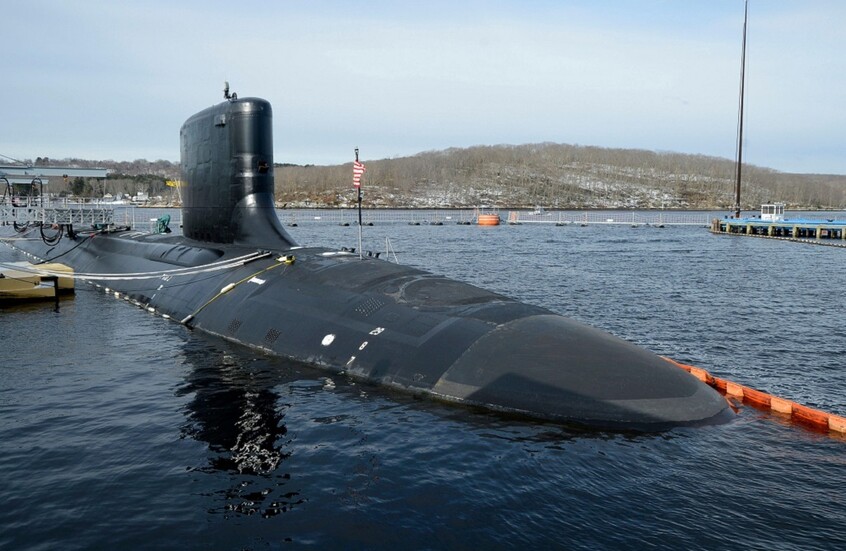
A recent report from the U.S. Congressional Research Service cautions that the planned transfer of nuclear submarines to Australia could adversely affect the operational capabilities of the U.S. Navy, particularly amid an ongoing shortage of operational submarines. The report suggests that the agreement, which involves the sale of three to five submarines, could diminish U.S. fleet readiness until the late 2040s.
Military Movements Amid China Containment Strategy
This development is part of broader military arrangements among allies, with media reports indicating that the U.S. Defense Department plans to deploy four nuclear submarines to the Sterling base in Western Australia, which is currently undergoing expansion. The first U.S. submarine is expected to arrive by 2027 as part of efforts to bolster military presence in the Indian and Pacific Oceans.
Reduction in U.S. Fleet with Submarine Transfers
According to the report, the transfer of submarines to Australia, set to begin in early 2032, will result in a decrease in the number of submarines available to the U.S. Navy, which is already facing a shortage of vessels. This decline is projected to continue until new submarines enter service, which could be delayed until the 2040-2049 period, according to estimates from the Congressional Budget Office.
Potential Impact on Strategic Deterrence
The report's authors confirmed that transferring Virginia-class submarines to Australia would remove them from potential operational service for the U.S. in conflicts, particularly with China, which could negatively impact deterrence and combat readiness. The report also noted that Australia has not provided clear commitments to support the U.S. in the event of a potential conflict over Taiwan, despite acquiring U.S. military technologies.
Production Challenges in the Defense Industry
The report highlighted challenges facing the U.S. defense industrial base, as actual production rates have declined since 2022 to between 1.1 and 1.2 submarines per year, despite funding allocated for two submarines annually since 2011. To meet commitments to the U.S. Navy and the AUKUS alliance, production must increase to approximately 2.33 submarines per year, a target that remains unachieved.
Maintenance Crisis Increasing Pressure on the Fleet
The report also pointed to a growing maintenance crisis among operational submarines, with approximately 34% of the U.S. fleet, or 16 submarines, undergoing repairs or awaiting maintenance during the 2024 fiscal year, significantly exceeding the Navy's target of 20%. This situation reduces the number of submarines available for operations and increases pressure on crews.
Nuclear Armament Restrictions Raising Strategic Concerns
The report indicated that the transfer of submarines to Australia might limit their capability to be equipped with sea-launched nuclear cruise missiles, due to Canberra's commitment to only using conventional weapons as a non-nuclear state, potentially undermining U.S. strategic deterrence elements.
AUKUS Alliance and Its Geopolitical Implications
It is important to note that the trilateral AUKUS agreement between the United States, the United Kingdom, and Australia was signed in 2021 to enhance defense and technology cooperation among the three nations. This agreement has faced criticism from Russia and China, which view it as a step towards establishing a military alliance in Asia similar to NATO.