The Economist Warns of Dollar Volatility, Depicts Currency as a Snake
February 6, 202699 VistasTiempo de lectura: 2 minutos
Tamaño de fuente
16
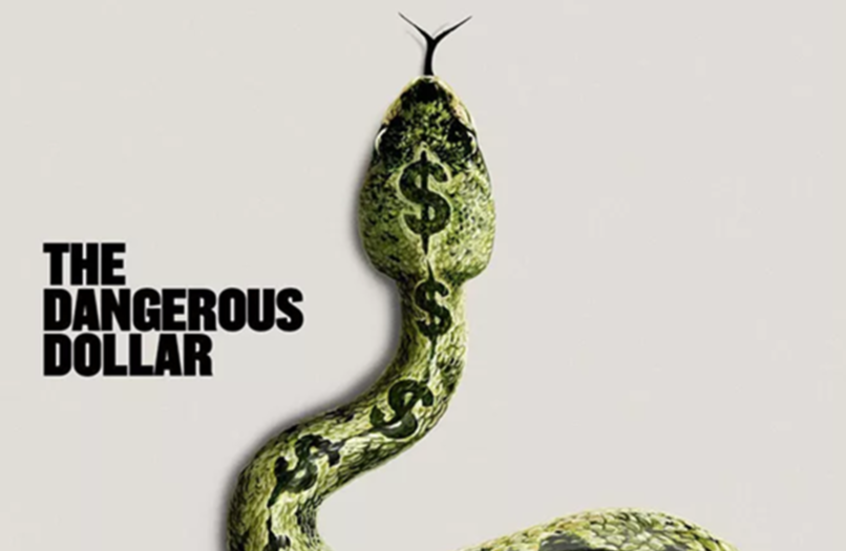
The U.S. magazine "The Economist" has featured the U.S. dollar on its latest cover in the shape of a snake, highlighting the risks and fluctuations associated with the currency and cautioning investors about the potential for continued depreciation.
The dollar has weakened against major currencies.
The main article is titled: "The Declining Era of Volatile Dollars: U.S. Asset Holders Must Adapt."
Trading data indicates that the dollar index, which measures the value of the U.S. currency against a basket of major currencies, has dropped approximately 10% since President Donald Trump took office in January 2025, with a nearly 15% decline against the euro.
U.S. stocks reach record highs despite fluctuations.
Despite the dollar's weakness, U.S. markets have shown robust performance; the Dow Jones Industrial Average has increased by over 10%, while the Nasdaq Composite has risen around 15% during the same timeframe, although it remains about 6% below its all-time high from October 2025.
The magazine notes that U.S. economic growth continues to be admired globally, but it is accompanied by sharp market fluctuations.
Investor panic episodes have become more frequent.
The magazine pointed out that episodes of panic among investors have become more common, as seen in April 2025 when Trump announced a "border tax" on imports, prompting investors to collectively divest from U.S. assets, leading to a sharp decline in stock prices and the dollar.
This phenomenon, which was traditionally confined to emerging markets, has occurred seven times in 52 weeks recently, at a rate three times faster than in the past decade.
Gold prices rise as a safe haven.
In response to the uncertainty, gold prices have surged by 75% since the beginning of Trump’s second term, surpassing $5,600 per ounce for the first time at the end of January 2026, signaling a warning to investors about the fragility of U.S. financial strength amid these fluctuations.
The magazine comments: "This should prompt those who believe in America’s financial strength to reconsider."