Health Experts Warn Against Adding Salt to Coffee: A Trend That Could Be Harmful
December 16, 2025176 VistasTiempo de lectura: 2 minutos
Tamaño de fuente
16
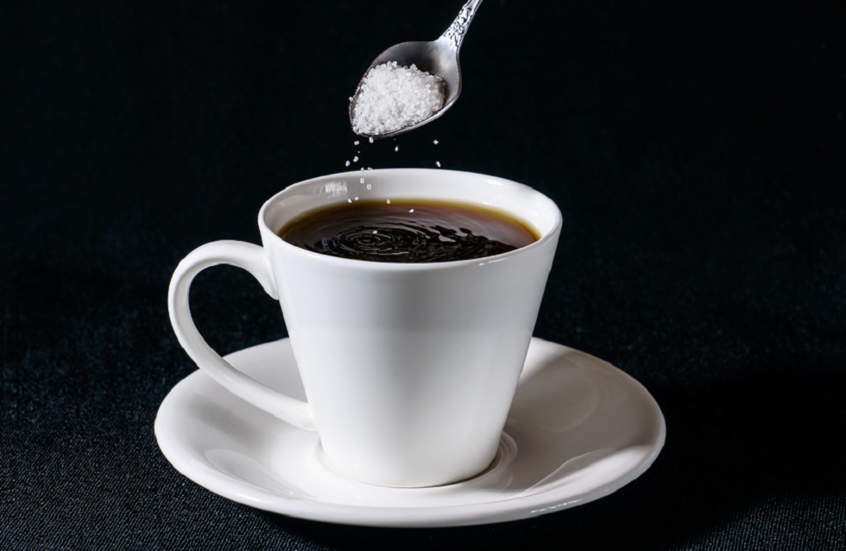
Health professionals are raising alarms about the increasing trend of adding salt to coffee, which is often marketed as a healthier alternative to sugar. They argue that this practice may pose health risks and is not supported by reliable scientific evidence.
Claims of Sugar Reduction
Recent trends suggest that adding salt can enhance the sweetness of coffee and reduce its bitterness, which proponents claim helps lower sugar intake. However, experts stress that this effect is purely sensory and does not actually make the coffee sweeter.
Scientific Explanation of Flavor
Dr. Eleanor Bryant, a psychologist at the University of Bradford, explained that salt enhances flavors in general, particularly by diminishing the bitterness of caffeine, which may create a temporary sensation of sweetness.
Dr. Bryant stated:
"Salt does not add real sweetness, but it can lessen the perception of bitterness, which explains why some believe that adding it makes coffee more enjoyable."
Risks of Excessive Salt Consumption
Bryant cautioned that substituting sugar with salt could have negative health effects, especially for individuals who consume multiple cups of coffee daily. She noted that excessive salt intake in this manner could be detrimental in the long run.
She added:
"Some may think this habit helps reduce sugar, but consuming additional salt can lead to health issues that should not be overlooked."
Flavor Preferences and Genetics
Bryant also pointed out that individual taste preferences for coffee vary due to genetic factors, explaining that genes related to taste perception influence how people accept or reject bitter flavors.
She remarked:
"Many learn to appreciate the bitter flavor of coffee, while others choose to modify it with additives like salt to make it more palatable."
Clear Health Warning
Health experts warn that excessive salt intake is linked to hypertension and an increased risk of heart disease and kidney problems. They caution that regularly adding salt to multiple cups of coffee each day could lead to inadvertently exceeding the recommended daily sodium limit, posing a silent threat to public health.
Claims of Sugar Reduction
Recent trends suggest that adding salt can enhance the sweetness of coffee and reduce its bitterness, which proponents claim helps lower sugar intake. However, experts stress that this effect is purely sensory and does not actually make the coffee sweeter.
Scientific Explanation of Flavor
Dr. Eleanor Bryant, a psychologist at the University of Bradford, explained that salt enhances flavors in general, particularly by diminishing the bitterness of caffeine, which may create a temporary sensation of sweetness.
Dr. Bryant stated:
"Salt does not add real sweetness, but it can lessen the perception of bitterness, which explains why some believe that adding it makes coffee more enjoyable."
Risks of Excessive Salt Consumption
Bryant cautioned that substituting sugar with salt could have negative health effects, especially for individuals who consume multiple cups of coffee daily. She noted that excessive salt intake in this manner could be detrimental in the long run.
She added:
"Some may think this habit helps reduce sugar, but consuming additional salt can lead to health issues that should not be overlooked."
Flavor Preferences and Genetics
Bryant also pointed out that individual taste preferences for coffee vary due to genetic factors, explaining that genes related to taste perception influence how people accept or reject bitter flavors.
She remarked:
"Many learn to appreciate the bitter flavor of coffee, while others choose to modify it with additives like salt to make it more palatable."
Clear Health Warning
Health experts warn that excessive salt intake is linked to hypertension and an increased risk of heart disease and kidney problems. They caution that regularly adding salt to multiple cups of coffee each day could lead to inadvertently exceeding the recommended daily sodium limit, posing a silent threat to public health.