Gold Prices Rise Amid Anticipation of U.S. Employment and Inflation Data
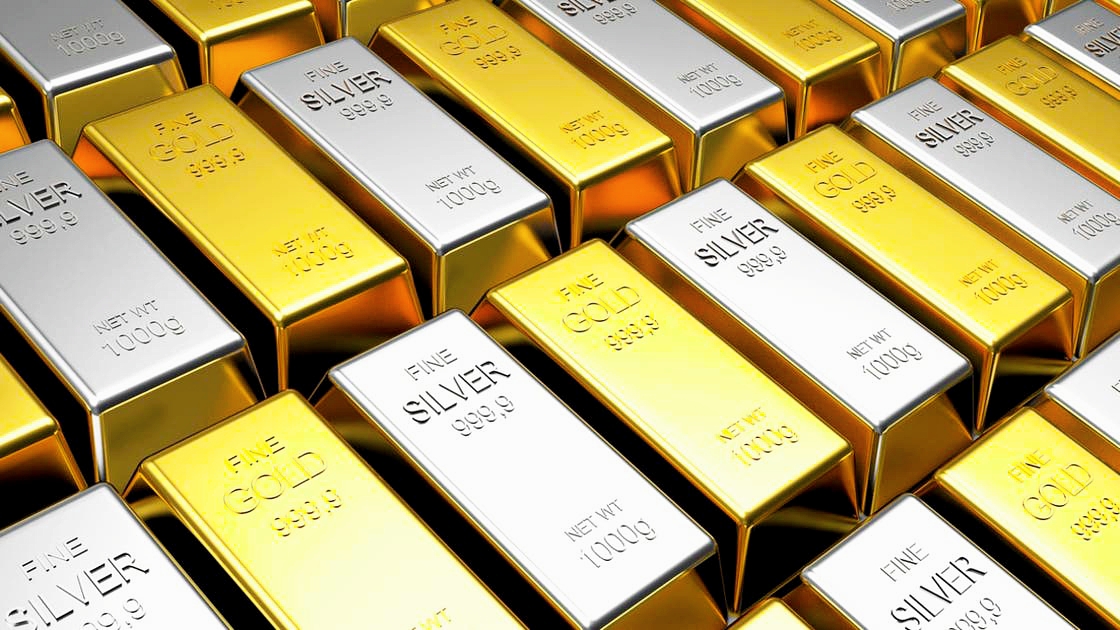
Ahead of crucial U.S. employment and inflation reports, gold continues to trade above the $5,000 per ounce mark, despite a decline on Tuesday. Investors are exercising caution as these data releases could significantly impact future interest rate decisions.
Latest spot market transactions show gold fell 0.7% to $5,029.49 per ounce, following a 2% increase on Monday, which was supported by a drop in the dollar to its lowest level in over a week.
It is noteworthy that the precious metal reached a record high of $5,594.82 per ounce on January 29, according to "Reuters".
Meanwhile, U.S. April futures declined 0.5% to $5,052 per ounce. In contrast, silver in spot transactions dropped 2.1% to $81.64, after a significant increase of nearly 7% in the previous session, with silver also hitting a record high of $121.64 on January 29.
In an analysis, the head of macroeconomic research at Tasty Live, Ilia Spivak, stated:
"The ongoing Cold War and economic competition between the U.S. and China are unlikely to resolve in the near future... this gives gold a clear bullish advantage."
Additionally, White House economic advisor Kevin Hassett indicated that U.S. job gains may slow in the coming months due to sluggish labor force growth and rising productivity, which could influence Federal Reserve decisions.
Investors are anticipating at least two cuts to interest rates by 25 basis points in 2026, with the first reduction expected in June, which tends to support non-yielding gold prices.
In light of the economic data expected this week, the market is looking forward to December retail sales, the consumer price index, and the January non-farm payroll report.
Regarding other metals, platinum fell 2.1% to $2,084.09 per ounce, while palladium decreased 1.7% to $1,710.75.