Colombian President Gustavo Petro Survives Assassination Attempt Amid Rising Violence
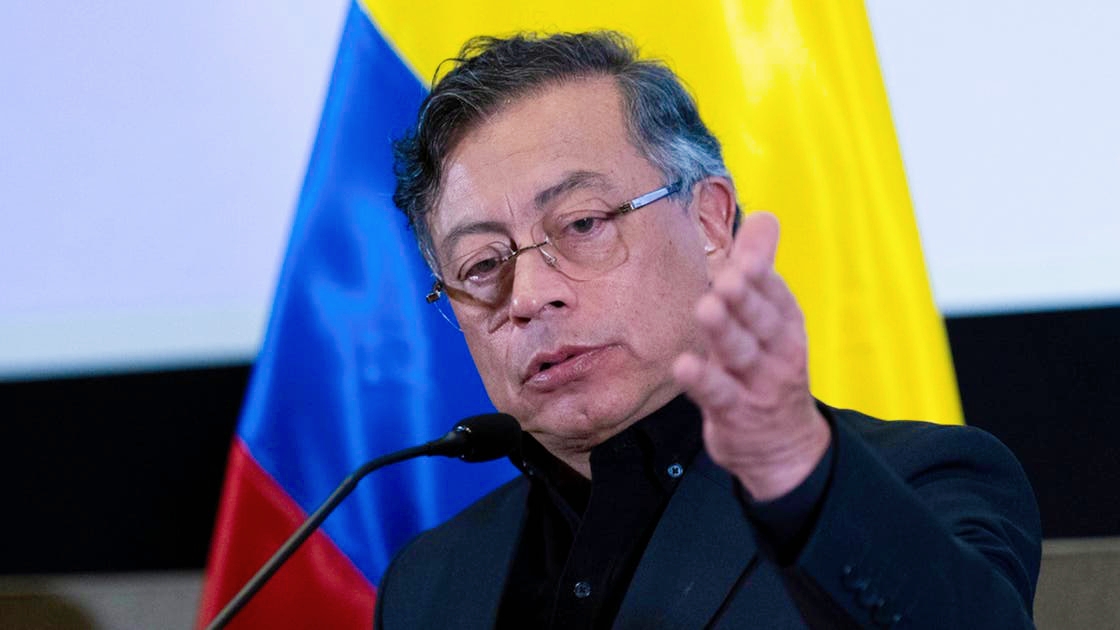
Colombian President Gustavo Petro survived a serious assassination attempt early on Tuesday when his presidential helicopter was forced to divert from landing on the Caribbean coast due to direct threats of gunfire against him. This incident underscores the escalating security concerns in Colombia as the country approaches its upcoming presidential elections.
During a live-streamed government meeting, President Petro stated that the helicopter carrying him on the night of Monday had to urgently change course and head offshore for four hours after receiving security intelligence about armed individuals prepared to fire upon landing.
President Petro remarked:
“We arrived at a place we had no intention of going... we did so fleeing from death.”
This incident follows months of repeated warnings Petro received regarding an assassination plot orchestrated by drug trafficking networks, which he claims have aimed to attack him since he took office in August 2022.
The president identified Iván Mordisco, leader of a dissident faction of the Revolutionary Armed Forces of Colombia (FARC), as one of those involved in planning the assassination attempt. This faction rejected the peace agreement signed with the government in 2016, as armed groups remain active in various regions of the country.
Colombia is experiencing a troubling increase in violence, coinciding with the upcoming presidential elections, in a nation that has endured decades of bloody conflict involving the state, rebels, and organized crime groups.
Historically, several leftist leaders and presidential candidates have been assassinated during previous election cycles.
President Petro is the first leftist president in Colombia's history and is constitutionally barred from seeking a second term. He also announced in 2024 that he had survived a similar assassination attempt.
Internationally, these developments occurred just days after a meeting between Petro and U.S. President Donald Trump at the White House last week, which lasted nearly two hours and was described as friendly, despite previous tensions in their relationship.
Trump had previously threatened military action against Colombia, accusing its president of sending cocaine to the United States and suggesting a military intervention similar to that in Venezuela.
Colombia is the world's largest producer of cocaine, while the United States is its largest consumer. In an effort to ease tensions, Petro deported a major drug lord to the United States last week, a move seen as a goodwill gesture towards Washington.
For decades, Colombia has been the closest U.S. ally in Latin America, with billions of dollars flowing to support its military and intelligence services in the fight against drugs.
However, coca production and cocaine exports have significantly increased during Petro's administration, complicating the security and political landscape in the country.
The recent incident raises a critical question for Colombia:
Can the state rein in drug trafficking gangs, or will violence continue to shape the country's political future?