Japan's Upcoming Snap Elections: Prime Minister Sanai Takayashi Poised for Significant Victory
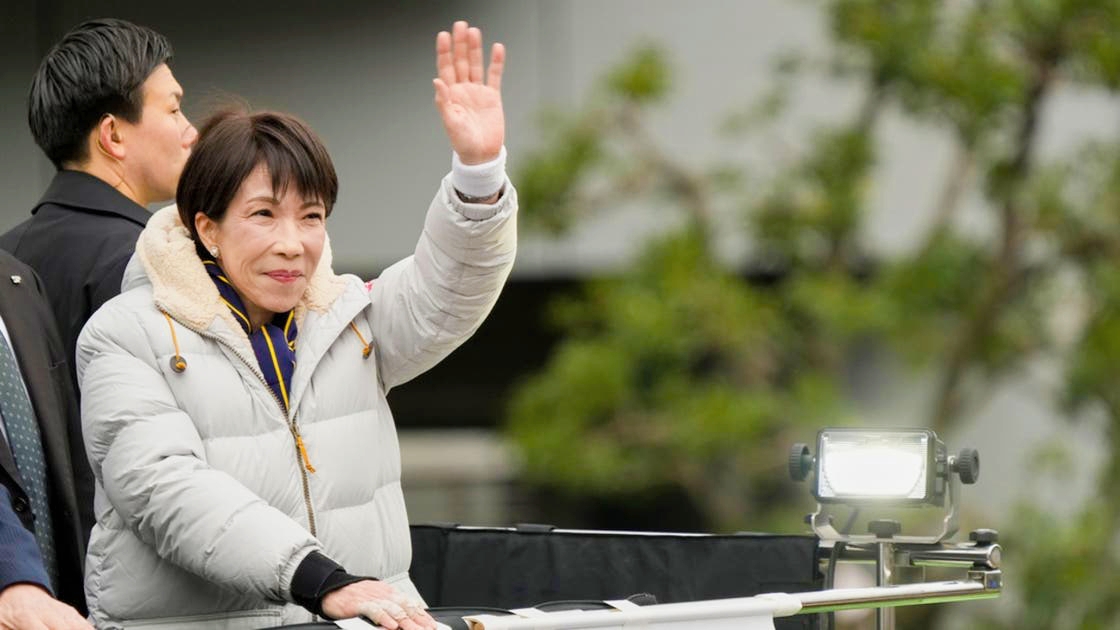
Japan is set to hold snap legislative elections this Sunday, with expectations that Prime Minister Sanai Takayashi will achieve a significant victory that could reshape the country's political landscape.
Takayashi, who made history as Japan's first female prime minister, called for these early elections on January 19 after dissolving the parliament, capitalizing on strong public support.
The 64-year-old leader views this election as a personal test of her credibility and leadership skills, stating at one of her campaign rallies:
"Is Takayashi fit to be prime minister? I wanted to leave that decision to the people."
With approval ratings nearing 70%, Takayashi's party, the Liberal Democratic Party (LDP), is anticipated to secure a substantial victory. Polls suggest the party could easily win at least 233 out of 465 seats, with the potential to exceed 300 seats, ensuring a parliamentary majority.
This outcome would allow the ruling coalition, which includes the Japan Innovation Party, to reinforce its policies moving forward.
Conversely, the New Centrist Reform Coalition, which comprises the Constitutional Democratic Party and Komeito, is expected to face significant losses, possibly losing nearly half of its current 167 seats.
The electoral campaign is focusing on sensitive issues such as inflation and the rising cost of living, with Takayashi emphasizing support for the purchasing power of Japanese citizens. In a bold move, she promised to eliminate the 8% consumption tax on food to alleviate the inflationary impact on families.
Additionally, immigration has become a central theme in the prime minister's campaign, as she adopts a firm stance on the matter to counter the influence of the populist Sanseito party, which advocates for an "Japan First" policy.
On the international front, Japan's relationship with China remains a concern, especially following Takayashi's remarks regarding potential Japanese military intervention should China attack Taiwan. These statements have sparked diplomatic discussions, placing Japan in a delicate regional position.
Takayashi also received unexpected support from former U.S. President Donald Trump, who described her as "a strong, influential, and wise leader," expressing his desire to host her at the White House in March.
All eyes are on the election results, which will be crucial in shaping Japan's economic and diplomatic policies in the coming years.