Cuba Open to Dialogue with the U.S. Amid Severe Economic Crisis
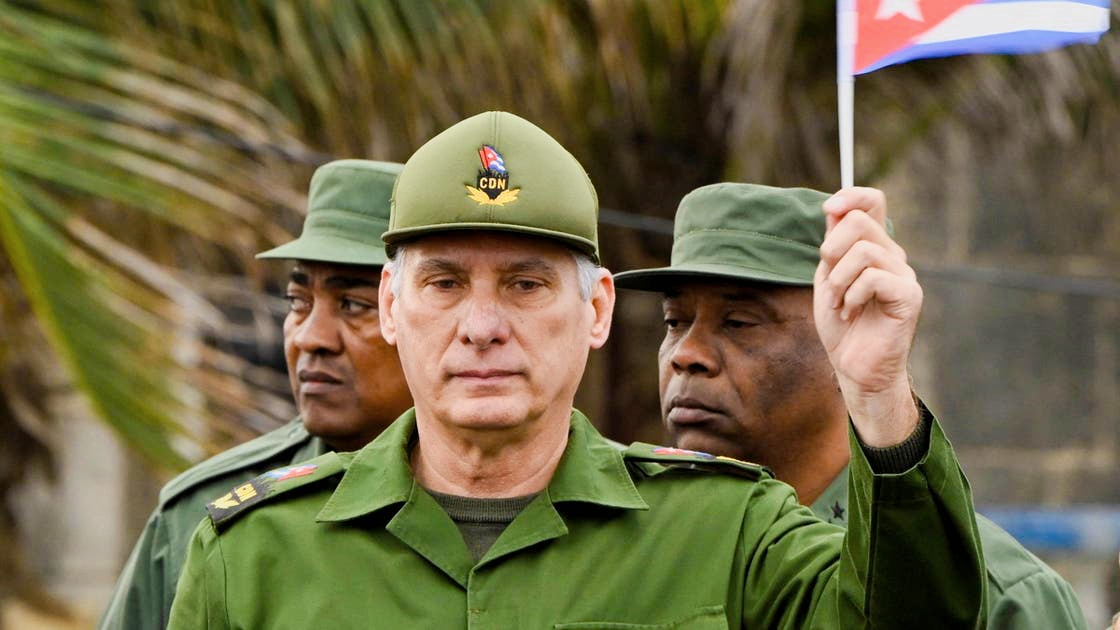
Cuban President Miguel Díaz-Canel announced on Thursday, February 5, 2026, that Cuba is prepared to engage in comprehensive dialogue with the United States, asserting that any discussions should occur without pressure or preconditions, while respecting Cuba's sovereignty, independence, and right to self-determination.
During a press conference in Havana, Díaz-Canel stated:
"Cuba is ready to discuss any topic with the United States. What are the conditions? No pressure, no preconditions."
The Cuban leader's remarks come as the island grapples with a severe economic crisis exacerbated by U.S. military intervention in Venezuela, which has disrupted oil supplies, and Mexico's reduction of oil shipments to Cuba following threats from President Donald Trump to impose punitive tariffs on countries assisting Cuba.
Trump recently claimed that the United States is already in talks with Cuba while continuing to issue threats against the communist regime in Havana, warning of potential disruptions to oil supplies and describing the island as "on the brink of collapse."
Díaz-Canel noted that the critical fuel shortages have resulted in power outages affecting hundreds of thousands of residents in eastern Cuba, highlighting the challenges faced by power plants in maintaining energy supply.
Nevertheless, he emphasized that Cuba is not isolated and has allies that remain undisclosed.
Simultaneously, Mexican President Claudia Sheinbaum confirmed that her government is exploring all diplomatic avenues to restore oil shipments to Cuba, but will not risk exposure to U.S. punitive tariffs.
Díaz-Canel remarked that the current crisis underscores the need to invest in environmentally friendly energy sources and reduce reliance on foreign supplies, particularly in light of the challenging economic conditions following the recent U.S. military actions that led to the ousting of Venezuelan socialist President Nicolás Maduro.
Cuba now faces a dual challenge:
To manage dialogue with Washington cautiously while addressing a severe economic crisis that threatens both energy stability and the national economy.