Australia Implements Global Ban on Social Media Access for Children Under 16
Australia has initiated the first phase of a unique global ban that restricts access to major social media platforms for children under 16 years old, just one week after the announcement. Technology companies are required to develop tools to disable accounts for underage users and prevent the creation of new accounts.
Under the regulation that took effect on December 10, designated platforms must deactivate all accounts belonging to users under 16 and prohibit them from creating accounts until they reach that age. The Australian Cyber Security Commission must be satisfied that these platforms have taken "reasonable steps" to comply; otherwise, they could face fines of up to $49.5 million.
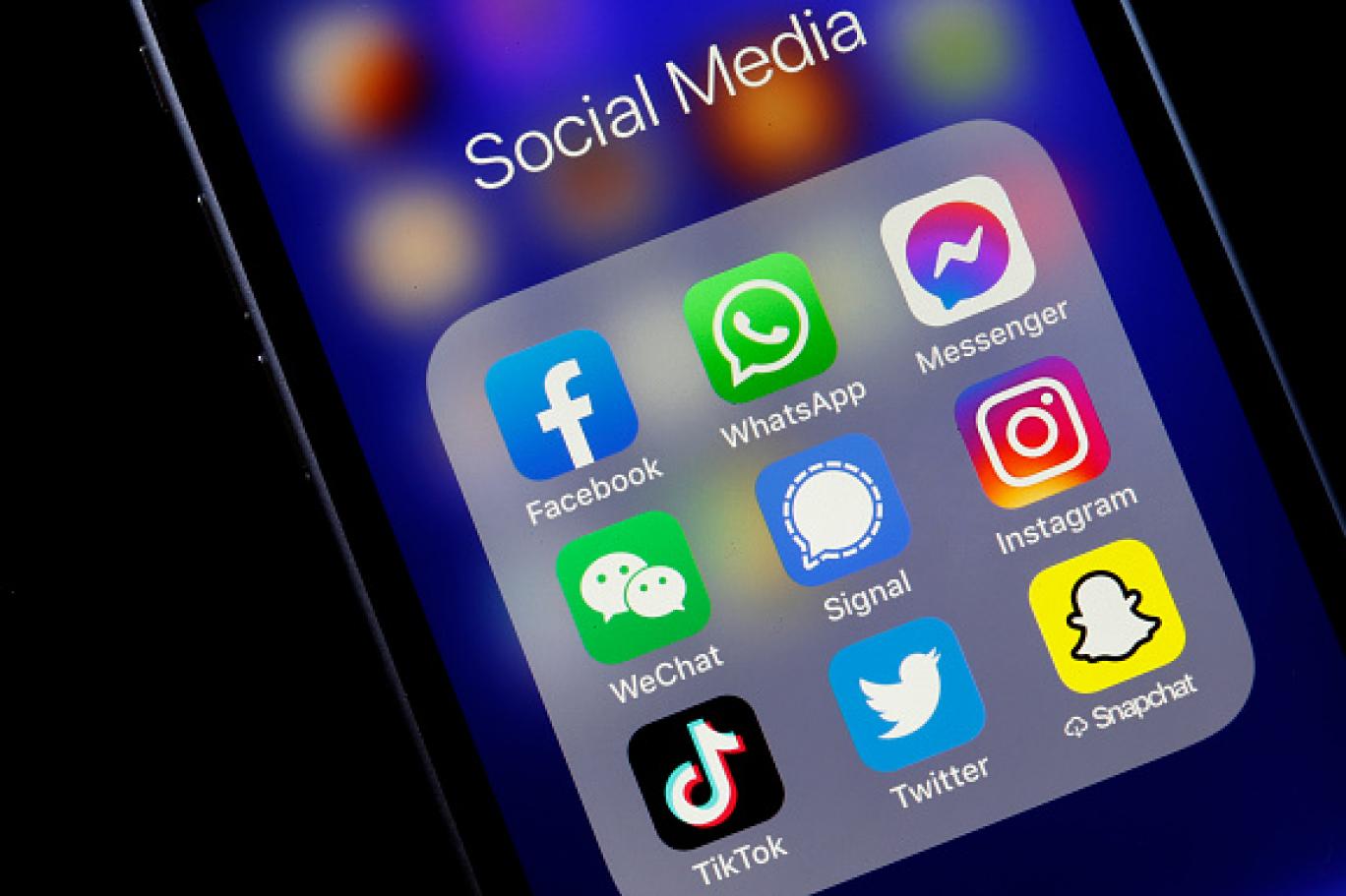
The initial list of applications affected by the ban includes Facebook, Instagram, TikTok, Snapchat, X (formerly Twitter), YouTube, Reddit, Twitch, and Kick. Threads is also included in the ban due to its requirement for an Instagram account.
The government has confirmed that this list is "dynamic and subject to change," as other platforms may be added later if children turn to them after the ban is implemented and similar concerns arise. The Cyber Security Commission indicated that if children migrate to other services like Lemon8 after the ban starts, those platforms may also be added to the list, and they will be expected to remove accounts of underage users.
Conversely, platforms such as Roblox, YouTube Kids, Google Classroom, and employment sites like LinkedIn are exempt from the ban. The Cyber Security Commission noted that the ban "will not apply to Pinterest" either. There is also the possibility that other platforms may be required to comply in the future, as Cyber Security Commissioner Julie Inman Grant explained that each platform must "self-assess and determine if they are obligated to comply."
The responsibility for determining age verification mechanisms falls to each platform, with the stipulation that the government does not consider requesting identification to be "the only means of age verification."
Meta, the parent company of Facebook and Instagram, has refrained from disclosing its method for identifying underage users, citing concerns that revealing this information could help teenagers circumvent the ban. Meanwhile, Snapchat stated it will rely on "account behavior and registered birth dates." TikTok announced it will implement "a multi-layered approach" to age verification, based on "a set of techniques and signals," promising to provide additional details soon.
For current underage users, some platforms will offer options before account closure. On Facebook and Instagram, teenagers will have the option to download all their photos and messages, freeze their accounts until they turn 16, or permanently delete their accounts. TikTok announced that it will allow users to deactivate or delete their accounts while archiving existing content. Snapchat will enable users to download photos and messages, with account deactivation "until the user can prove they have turned 16," a process that could affect around 440,000 users in Australia aged 13 to 15.
The government announced that individuals over 16 who have been incorrectly classified as minors "will need to go through an appeals process."
Meta will rely on age verification services using facial recognition from the company Yoti, which requires users to submit a brief "selfie" video or present government identification. Meanwhile, Snapchat users will be able to appeal through bank card verification, government ID, or by capturing a "selfie" image used to estimate age. TikTok stated it will provide "a simple appeals process," but has not yet disclosed its mechanism. Other platforms like YouTube and Kick have not announced their plans regarding appeals processes.