Post-Holiday Detox Diets: Fact or Fiction?
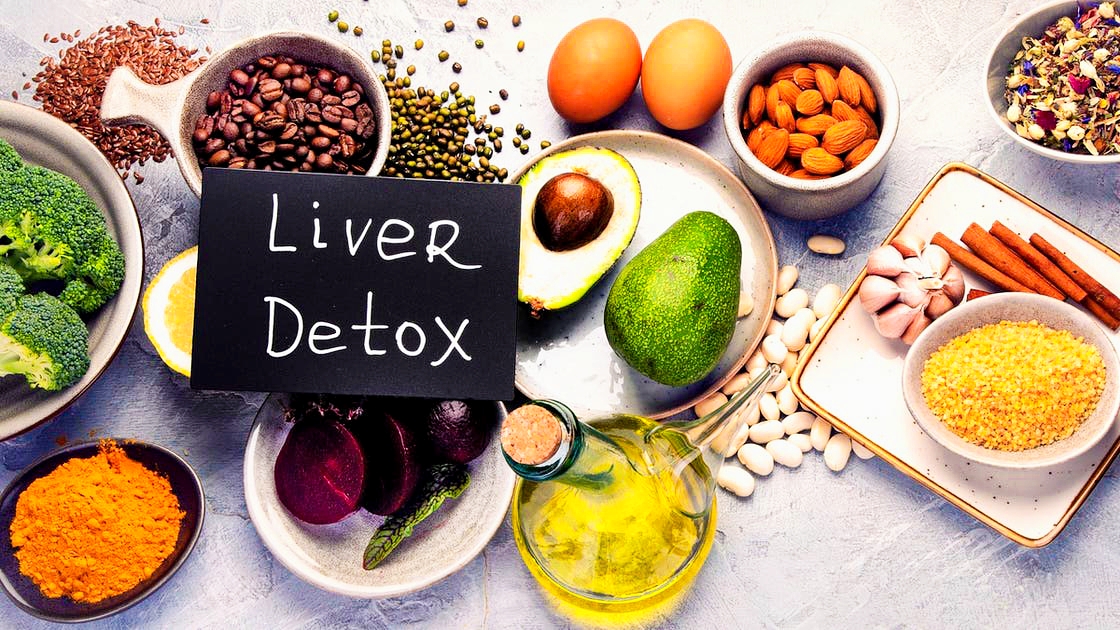
At the end of each holiday season, a familiar scenario unfolds:
Overindulgence in food, reduced physical activity, and extended hours in front of screens often lead to feelings of guilt, prompting many to seek a "quick fix."
This is where detox diets and products come into play, featuring green juices, charcoal supplements, detox patches, and liver "reset" programs that claim to restore the body to a "pure" state.
* But the real question is: Does the body actually need this?
This topic was examined by journalists Katy Edwards and Dan Baumgardt in the inaugural episode of the podcast StrangeHealth, launched by the platform The Conversation. They scrutinized the common detox culture with insights from liver health experts.
* The body is not incapable... it works around the clock
Trish Lalor, a liver expert from the University of Birmingham, asserts that the commercial concept of detox lacks solid medical foundation. According to her, the body is already equipped with an effective system for eliminating toxins without external intervention.
She explains that the liver, in conjunction with the kidneys and digestive system, continuously purifies the blood and removes harmful substances. For most healthy individuals, extreme diets or costly supplements are unnecessary.
* When does "detox" become dangerous?
While some practices marketed as detox may seem harmless, Lalor warns that misuse can lead to real harm. Certain herbs and supplements can stress the liver instead of supporting it, especially when taken without medical supervision.
She notes that symptoms such as headaches, fatigue, or a general feeling of malaise—sometimes promoted as signs of "detox success"—can actually indicate unnecessary stress on the body.
* What constitutes real "detoxification"?
Experts agree that genuine detoxification does not come in a package or patch but is reflected in simple, scientifically-backed daily habits, including:
• Drinking adequate amounts of water
• Eating fiber and vegetables
• Getting sufficient and regular sleep
• Moderating food and drink intake
• Allowing the liver time to perform its natural functions
The podcast hosts emphasize that the best approach after periods of excess is not to seek quick solutions but to gradually return to a balanced lifestyle.
* Conclusion
If you are considering purchasing "detox" products, the report wryly suggests that the only thing likely to be "cleansed" will be your wallet, not your liver.
Experts concur that a science-based understanding of health, rather than marketing claims, is the safest way to maintain bodily health without succumbing to enticing promises lacking medical evidence.