Tesla Transitions to Subscription Model for Full Self-Driving System
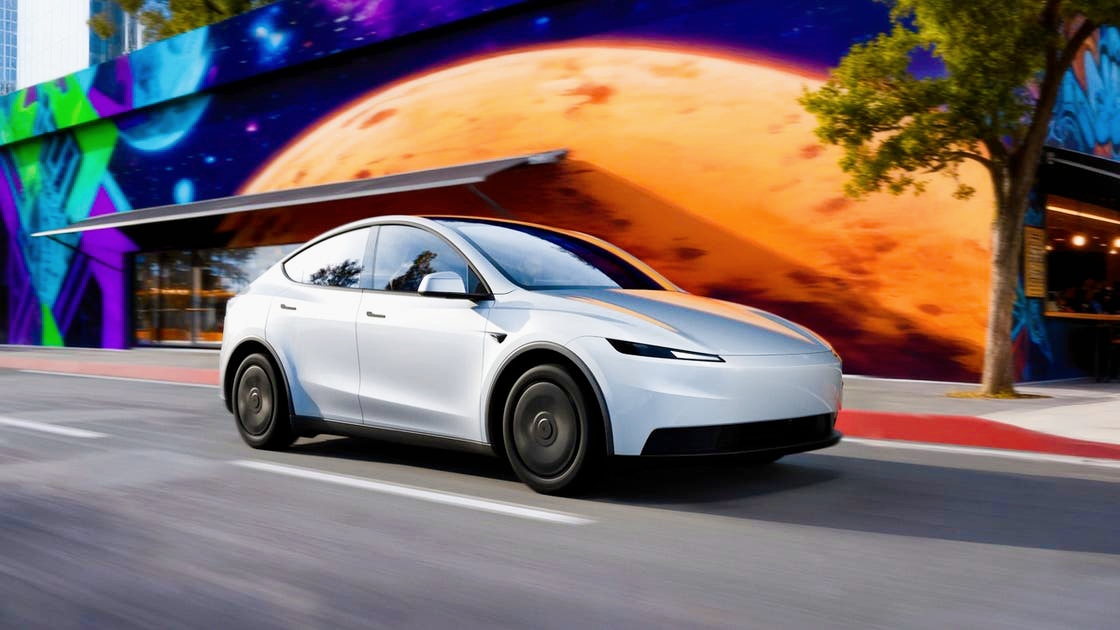
Elon Musk, CEO of Tesla, revealed a major shift in the company’s strategy regarding its Full Self-Driving (FSD) system, stating that Tesla will discontinue the option for a one-time purchase. Instead, the only way to access the full autonomous driving features will now be through a monthly subscription.
In a post on the platform "X", Musk announced that this change will take effect on February 14, without any alterations to the current subscription price of $99 per month.
* End of One-Time Purchase Option
This decision marks a significant strategic pivot for Tesla, which had previously allowed customers to buy the autonomous driving system for a one-time fee that peaked at $15,000 in 2022, later dropping to $8,000, according to a report from TechCrunch.
Although the subscription option has been available since 2021, Musk had consistently encouraged customers to opt for the full purchase, suggesting that prices would rise as the system's capabilities advanced towards full autonomy. However, actual sales figures did not meet expectations.
* Sales Figures Below Expectations
According to previous statements from Tesla's CFO, only about 12% of customers chose the full purchase option, a figure deemed disappointingly low compared to the company's targets, prompting a reevaluation of its strategy.
Analysts believe that transitioning to a subscription model could enhance usage rates, particularly by lowering the initial cost, as Tesla navigates financial pressures during one of its more challenging quarters.
* Financial and Legal Motivations
The shift to a subscription model is not solely a business decision; it may also be influenced by legal considerations. Increasing the number of subscribers is crucial for meeting one of the primary requirements tied to Musk's substantial incentive package, which calls for reaching 10 million active subscriptions to the FSD system by 2035.
Additionally, Tesla has faced significant criticism and lawsuits regarding its marketing of the autonomous driving system, accused of making misleading claims about the vehicles' capabilities, particularly as some models required hardware upgrades later.
Last December, a U.S. court ruled that Tesla had engaged in deceptive marketing practices concerning its autonomous driving systems, leading the California vehicle administration to temporarily suspend the company’s licenses, before granting a deadline to modify product names or align software with advertised promises.
* Increasing Competition in Autonomous Driving Market
While Tesla's system remains one of the most advanced in the U.S., competition is intensifying. Major companies such as Ford, General Motors, and Rivian are developing their own semi-autonomous driving systems, while some Chinese firms offer similar technologies as standard features in their vehicles at no extra cost.
As Tesla shifts to a subscription model to boost revenue and mitigate legal risks, the key question remains: will consumers embrace the idea of a monthly payment for autonomous driving, or will they seek more affordable alternatives in an increasingly crowded market of smart vehicle options?