Elon Musk Warns of Potential Energy Crisis Linked to AI Growth
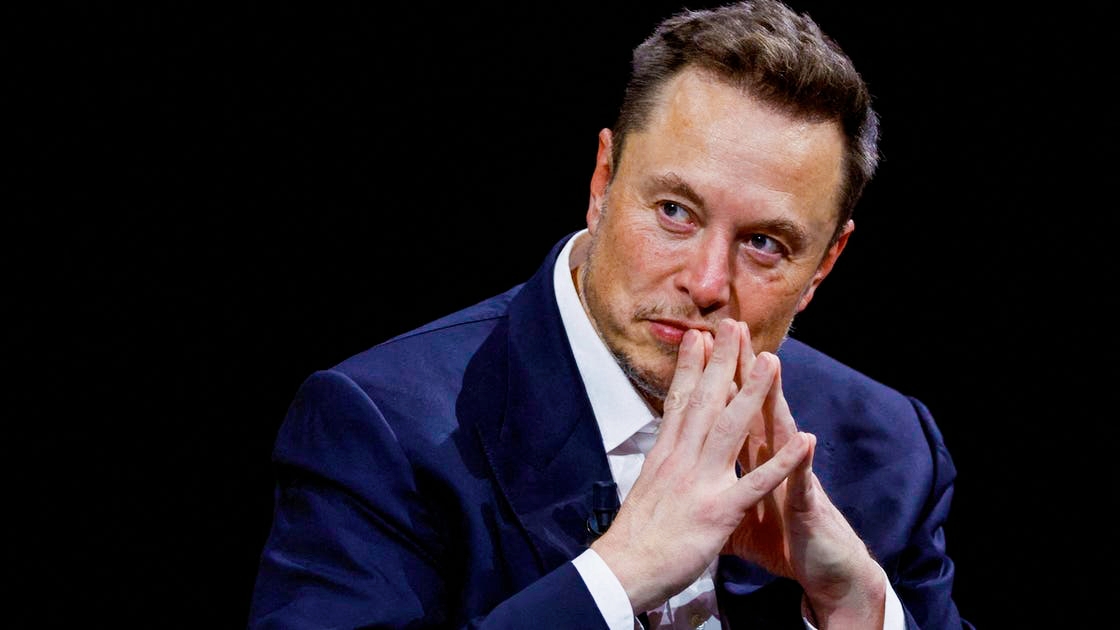
Elon Musk, the American billionaire and CEO of Tesla and SpaceX, has issued a stark warning regarding the future of global energy infrastructure. He cautioned that the rapid growth of artificial intelligence (AI) systems could lead to a catastrophic collapse of energy networks within 30 to 36 months due to their substantial electricity demands.
In a recent interview on the "Chiki Paint" podcast with John Collison, Musk emphasized that current energy systems may struggle to accommodate the increasing pressure from AI, stating: "In about three years, we will lose our energy... Remember my words... You can't get bigger than this here."
Musk elaborated that the energy requirements of AI exceed the capacity of existing infrastructure, potentially resulting in widespread power outages that could disrupt essential digital services.
* Proposed Solution: Space-Based Computing
To address this looming crisis, Musk unveiled an ambitious plan to relocate a significant portion of computing power to space. This would involve launching a million small satellites equipped with solar-powered central processing units, leveraging the constant availability of solar energy in low Earth orbit.
Musk remarked: "The sun is always in space, so we can generate inexhaustible energy to run these systems, free from the constraints of Earth."
* Concerns Over Space Debris
However, Musk's proposal has sparked debate among experts. Concerns have been raised regarding potential overcrowding in low Earth orbit and the increased likelihood of satellite collisions, which could result in a buildup of space debris and complicate future space missions.
The European Space Agency has warned that such a scenario could render near space hazardous, advocating for strict international regulations before undertaking projects of this magnitude.
* Energy Consumption Trends
According to the International Energy Agency, the energy consumption of AI data centers is projected to reach 480 terawatt-hours globally by 2025, representing a 35% increase from the previous year. If current growth trends continue without advancements in energy efficiency, this figure could potentially double by 2028.
Dr. Leandra Cho from the Massachusetts Institute of Technology highlighted that Musk's warnings underscore a significant gap between technological advancement and the capacity of existing infrastructure to support it. She emphasized the urgent need for investments in small nuclear energy and high-efficiency solar technologies as alternative solutions.
This warning arrives as nations, particularly the United States and China, race to construct large-scale data centers, raising environmental and logistical concerns related to energy consumption.